Best for
Omelettes, eggs, chicken, fish, potatoes, salads, vinaigrettes, cream sauces, compound butter, and soft cheeses.
 All guides
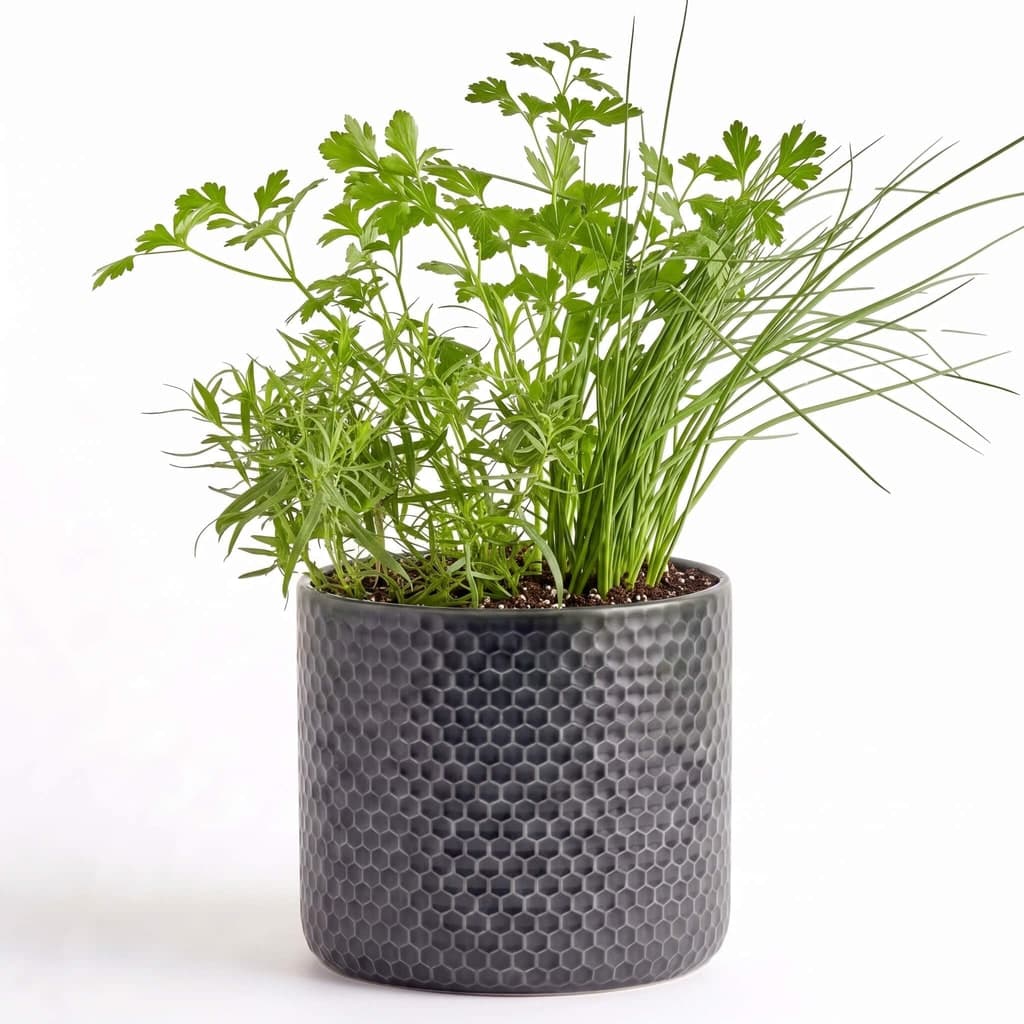
Harvest-Ready Herb Garden
A complete guide to growing and using fresh chives, parsley, and tarragon.
Start here
Welcome
In French cooking, fines herbes refers to a delicate blend of fresh herbs traditionally used to finish simple, elegant dishes. These are not heavy, overpowering herbs. They are fresh, light, and best used in ways that let their flavour stay bright.
Chives bring a mild onion flavour that is perfect for eggs, potatoes, sauces, and soft cheeses. Parsley adds clean freshness and balance. Tarragon brings a subtle anise-like flavour that makes chicken, fish, butter, cream sauces, and vinaigrettes feel instantly more refined.
This garden brings together three classic fine herbs for light, fresh, elegant cooking — the kind of herbs that can make a simple omelette, salad, or roasted chicken feel special.
Your Fine French Herb Garden arrives fully grown, pre-potted, and ready to harvest. There is no transplanting, no seed starting, and no guesswork.
Start with a thorough watering in the sink, let it drain, then place it somewhere bright. Your first-day steps are below.
Omelettes, eggs, chicken, fish, potatoes, salads, vinaigrettes, cream sauces, compound butter, and soft cheeses.
First day care
Unpack your garden, give it a thorough watering, and find a bright spot to help it settle in.
Unpack your garden as soon as it arrives and remove all packing material. Set any cover pot aside and place the grow pot in the sink.
Run tap water gently over the soil until it is fully saturated and water flows from the drainage holes. Leave the grow pot in the sink for about a minute, or until excess water has finished draining.
Place the drained grow pot inside your cover pot or on a saucer, then set your garden in a bright location. No repotting needed.
Settling in
Your garden grows in a 6.7-inch grow pot that fits inside our optional 7-inch cover pots. Keep your herbs planted in the grow pot; do not plant directly into a cover pot, as it has no drainage holes.
Let your garden adjust for 48 hours before heavier picking. This gives the plants time to settle into their new home.
A few bent stems or tired-looking leaves can happen after shipping. After the first watering, give your herbs bright light and time to settle. Check the soil before watering again.
Light & water
Place your garden in bright natural light, such as a sunny windowsill, kitchen counter near a window, or covered patio. These herbs grow best with plenty of light and a comfortable spot that is not too hot, dark, or dry.
Push a finger about an inch into the soil. If that top inch feels dry, it is time to water. If it still feels damp, wait and check again the next day.
Take the grow pot to the sink, removing any cover pot first. Gently soak the soil with tap water until water flows through the drainage holes. Let it drain for about a minute, or until excess water has finished draining, then return it to your cover pot or saucer.
Turn the pot every few days so all sides receive direct light. This helps the garden grow more evenly and keeps the herbs easier to harvest.
Always water the grow pot in the sink. If you use a cover pot, never water directly into it. Empty any water that collects in the cover pot or saucer so the roots do not sit in standing water, which can cause rot.
Meet your herbs
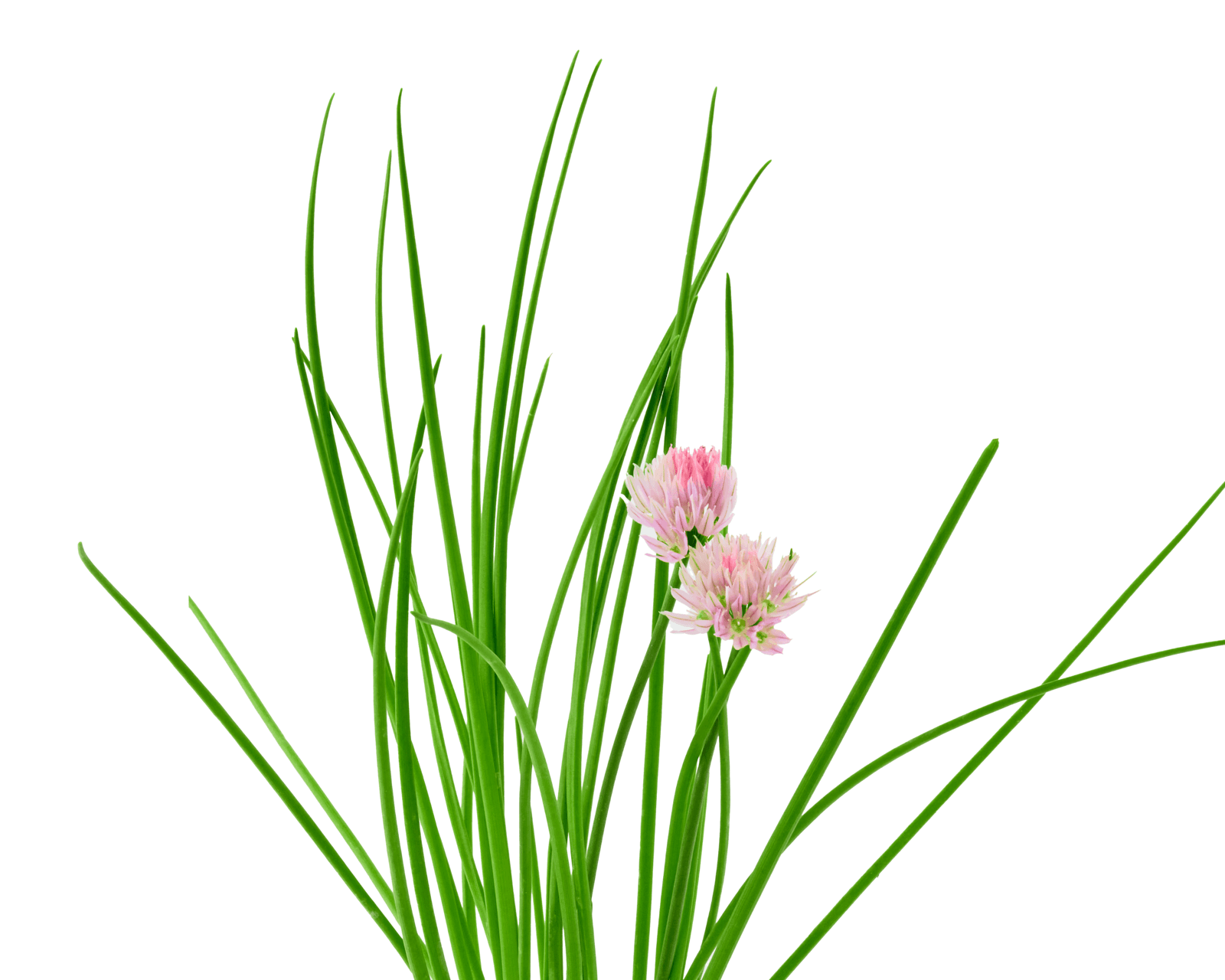
Mild onion flavour with a fresh green finish. Chives are delicate, easy to use raw, and especially good with eggs, potatoes, soups, salads, soft cheeses, and butter.
Cut chives with scissors instead of pulling. Regular trimming encourages tender new leaves.
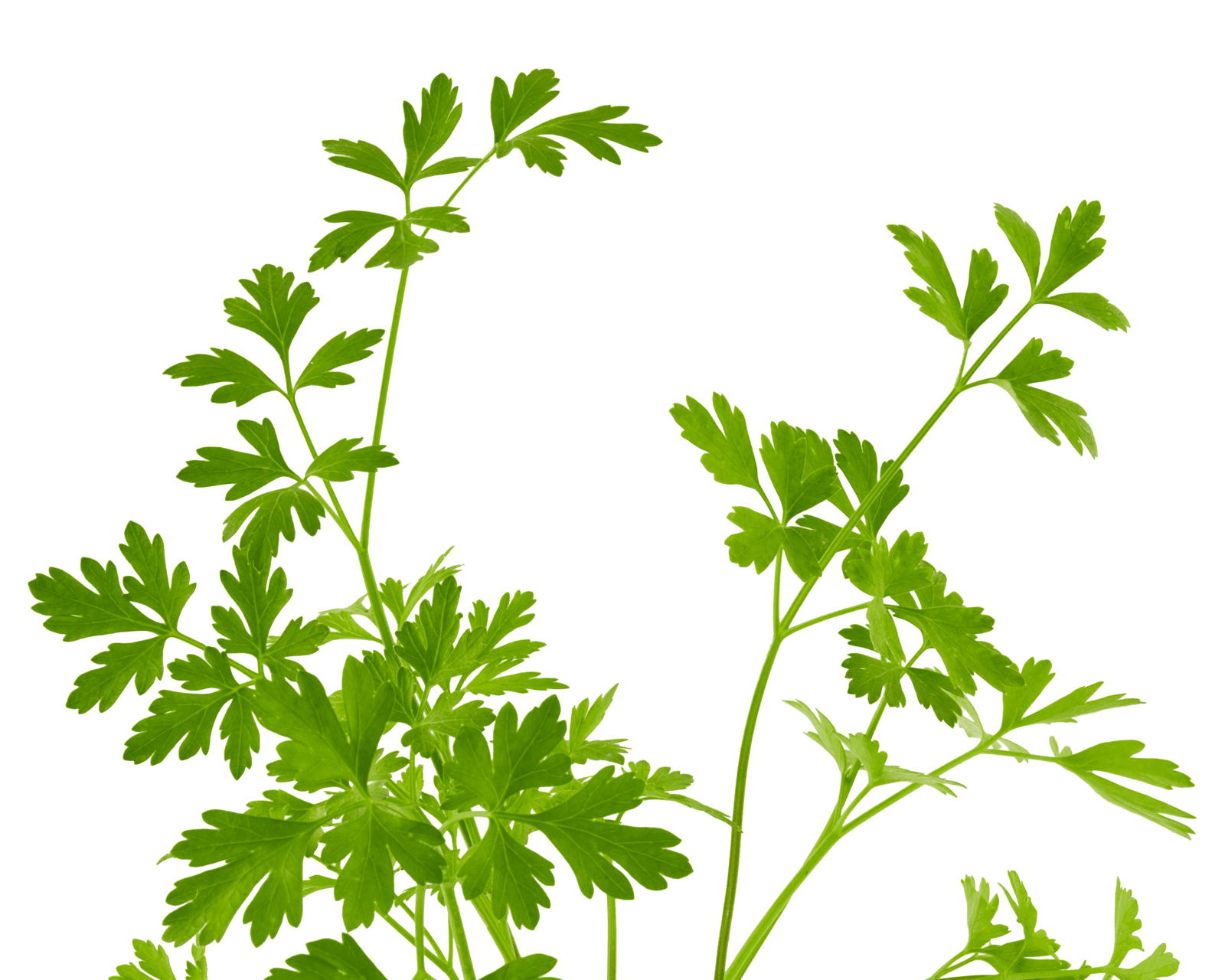
Clean, green, and bright. Parsley freshens rich dishes and brings balance to sauces, grains, salads, vegetables, chicken, fish, and eggs.
Keep parsley lightly moist and harvest the outer stems first. The centre of the plant is where new growth begins.
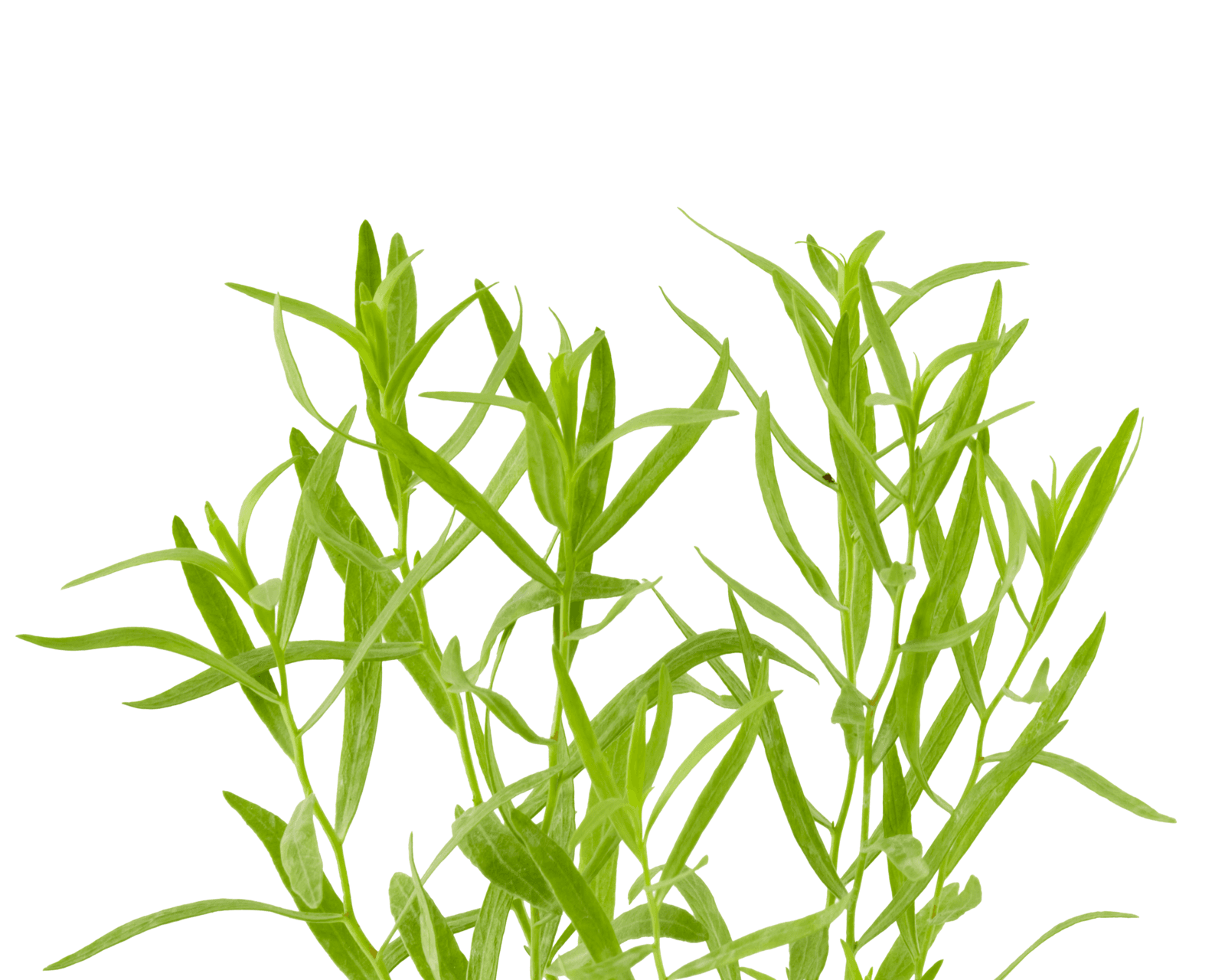
Soft, aromatic, and slightly sweet, with a gentle anise-like flavour. Tarragon is especially good with chicken, fish, eggs, butter, cream sauces, vinaigrettes, and mustard.
Tarragon likes bright light and good drainage. Harvest small amounts often and avoid keeping the soil overly wet.
Harvesting
Small, regular harvests are better than one large cut. Use clean scissors or herb snips, take what you need for the meal, and leave plenty of leafy growth behind so the garden can keep producing.
Fine herbs are usually used fresh and added near the end of cooking. Harvesting small amounts often gives you the best flavour and helps keep the garden tidy.
Cut leaves about 1-2 inches above the soil line. Harvest from the outside of the clump first.
Cut outer stems near the base of the plant. Leave the smaller centre growth in place so new stems can keep coming.
Snip the top few inches of tender stems. Harvest just above a pair of leaves to encourage fresh new growth.
Easy ways to use them
Fresh chives, parsley, and tarragon are especially useful when you want food to taste lighter, fresher, and more finished. They work best in simple dishes where their delicate flavour can come through.
Chives, parsley, and tarragon are often best added near the end of cooking or right before serving. Fresh herbs add colour, aroma, and a more polished finish.
Fine herbs are classic with eggs because they add flavour without overpowering the dish. Chives and tarragon are especially good with eggs, while parsley adds freshness and balance.
Tarragon has a distinctive flavour that works beautifully with simple proteins and creamy or buttery sauces. Add tarragon carefully at first. A little goes a long way.
Chives and parsley are especially useful with creamy, buttery, cheesy, or savoury foods. A small handful of fresh herbs can make rich food taste lighter and more complete.
Simple recipes
Eggs
Whisk eggs with a pinch of salt and cook gently in butter. Before folding, add chopped chives, chopped parsley, a small amount of chopped tarragon, and black pepper if using. Serve right away.
This is one of the most classic ways to use fine herbs.
Chicken
Mix cooked chicken with mayonnaise or Greek yogurt, chopped tarragon, chopped parsley, chopped chives, lemon juice, salt, and black pepper.
Serve in sandwiches, lettuce cups, wraps, or over greens. Tarragon gives chicken salad a classic fresh flavour.
Potatoes
Toss warm boiled or roasted potatoes with butter or olive oil, chopped parsley, chopped chives, salt, black pepper, and lemon juice if using.
This is a simple, reliable way to use parsley and chives.
Salad
Whisk together olive oil, white wine vinegar or lemon juice, Dijon mustard, chopped tarragon, chopped parsley, salt, and black pepper.
Toss with green salad, cucumber, radish, chicken, fish, or roasted vegetables.
Lifespan & refills
Expect around 1–2 months of fresh herbs, depending on care and how much you harvest. These are living plants, so every garden will grow at its own pace.
Refill every 1–2 months for a fresh supply of herbs. Your new garden arrives in its own grow pot, ready to fit inside the same cover pot.
Remove the old grow pot and compost the old herbs. Water and drain your new garden, then place it in your empty cover pot or on a saucer.
Subscribe to regular refills to save and have a fresh garden delivered every 1–2 months. Keep your cover pot and simply swap in each new garden.
Need a hand?
If anything looks concerning, please reach out to us at support@herbwild.com as soon as possible so we can help. We want you to succeed, and your plants are backed by our 15-day satisfaction guarantee.