 All guides
Beginner’s Kitchen Herb Garden
Beginner’s Kitchen Herb Garden
Your complete guide to growing, harvesting, and cooking with a variety of beginner-friendly culinary herbs at home.

Start here
Table of contents
01Welcome to your garden02What’s included03Your plants have arrived: now what?04Hardening off05Get to know your herbs06Planting your herb garden07Caring for your herbs08Herb-specific care tips09Harvesting your herbs10Drying & preserving11Cooking with fresh herbs12Fresh herb cooking basics13Cooking with dried herbs14Dried herb cooking basics15Recipes16Get in touch
Welcome
Welcome to your garden!
This collection brings together a wide variety of beginner-friendly culinary herbs so you can explore more flavours, learn what you love to grow, and build confidence in the kitchen.
With one plant of each herb, you can try fresh leafy herbs, hardy savoury herbs, and classic kitchen staples all in one garden. Each plant brings something different to your patio, balcony, or garden bed.
We hope this collection helps you experiment more, cook more often with fresh herbs, and enjoy the simple satisfaction of growing your own ingredients at home.
What’s in the box?
What’s included
Your Beginner’s Kitchen Herb Garden includes nine herb plants, with one plant of each culinary variety.
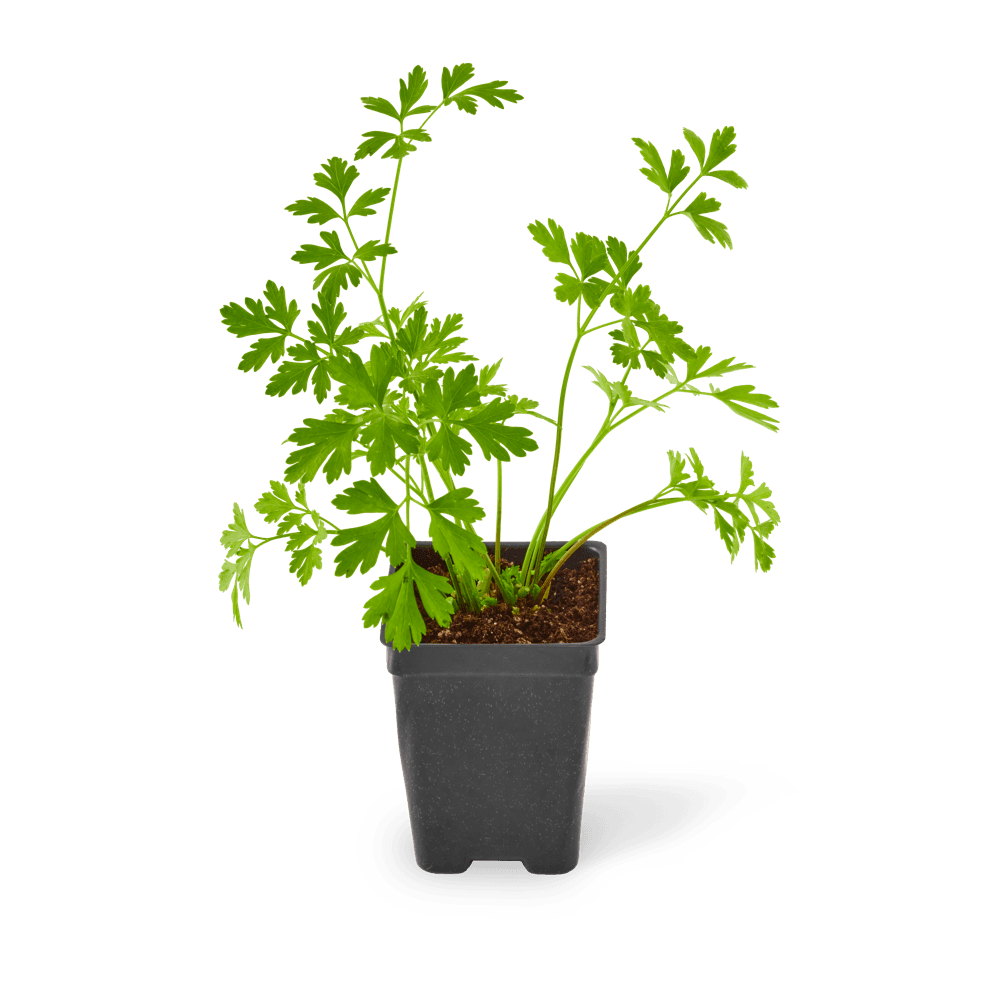
Italian Parsley
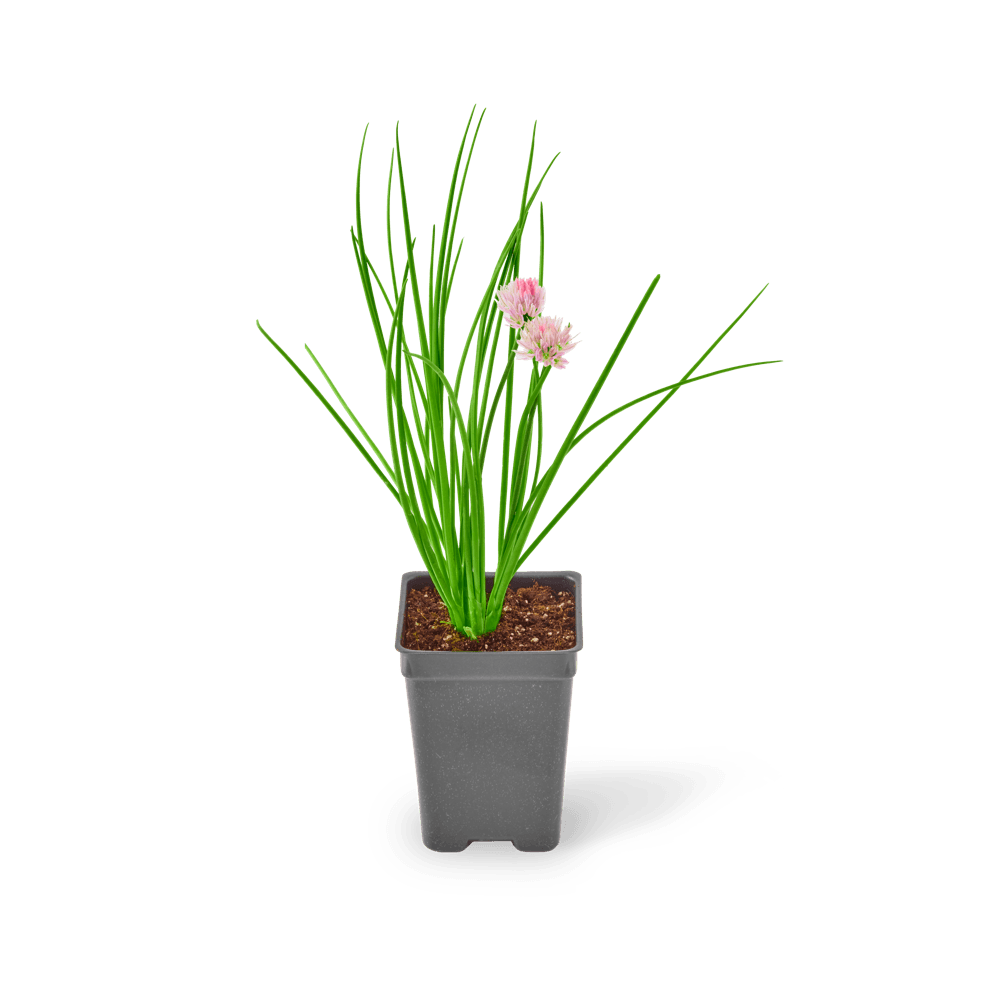
Chives
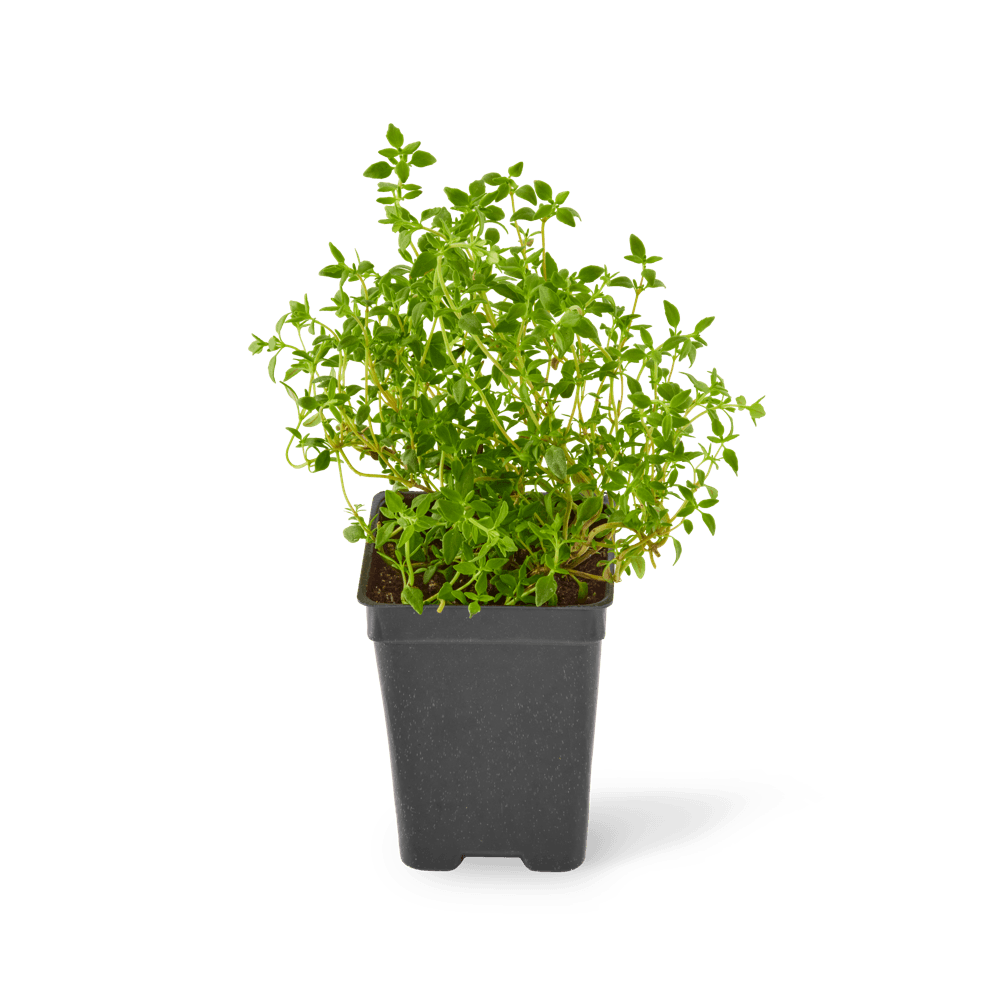
English Thyme
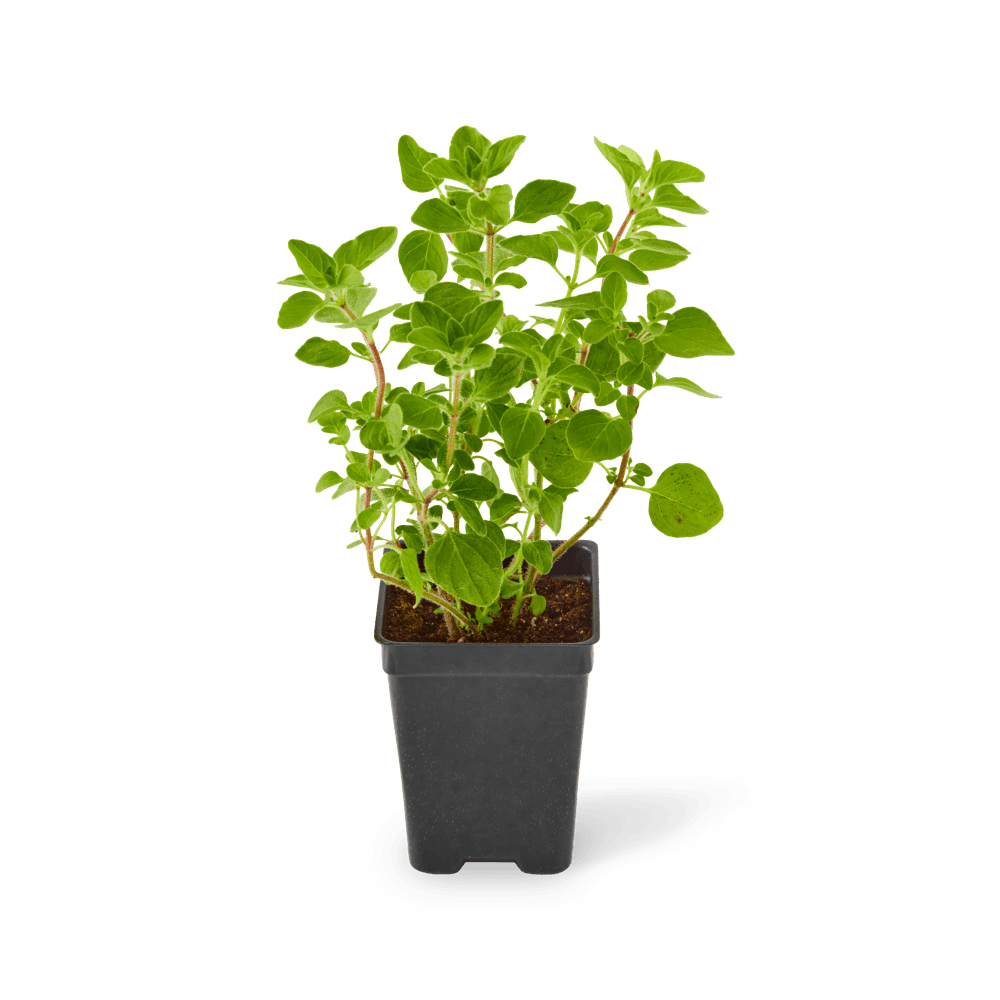
Greek Oregano
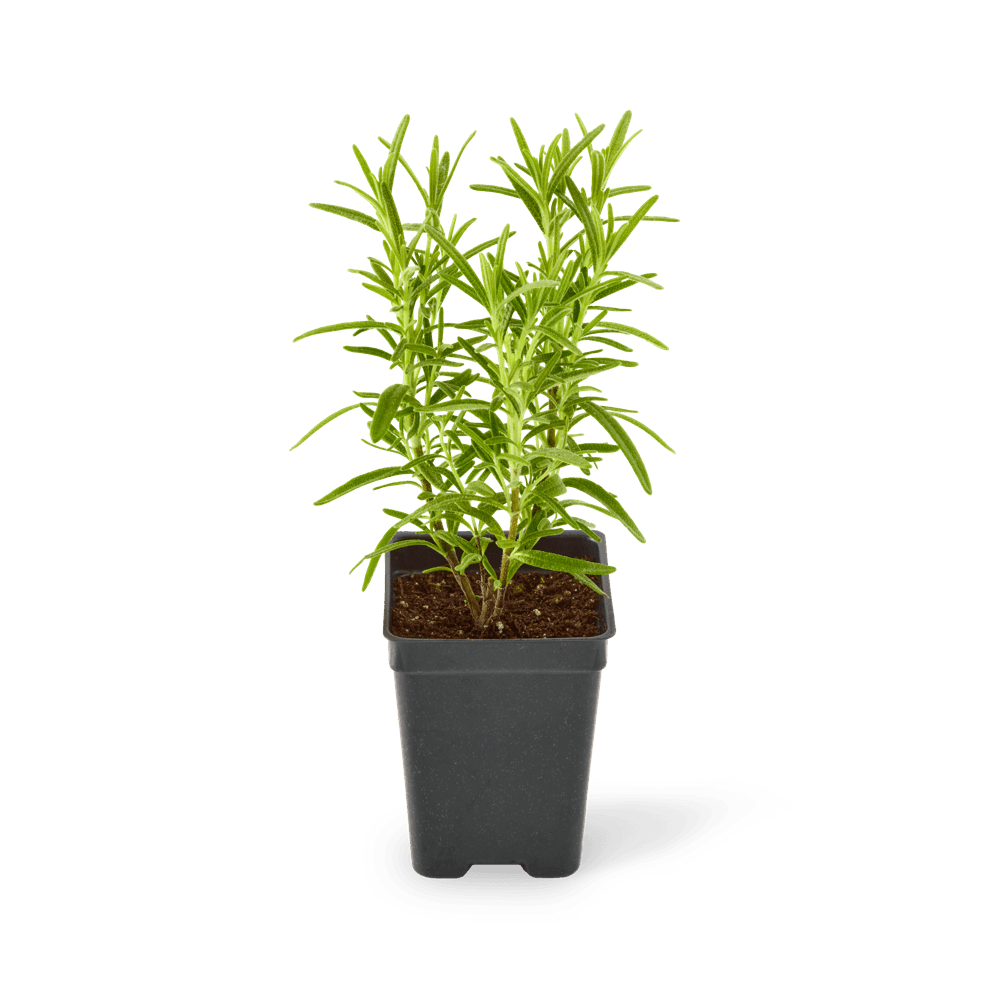
Rosemary
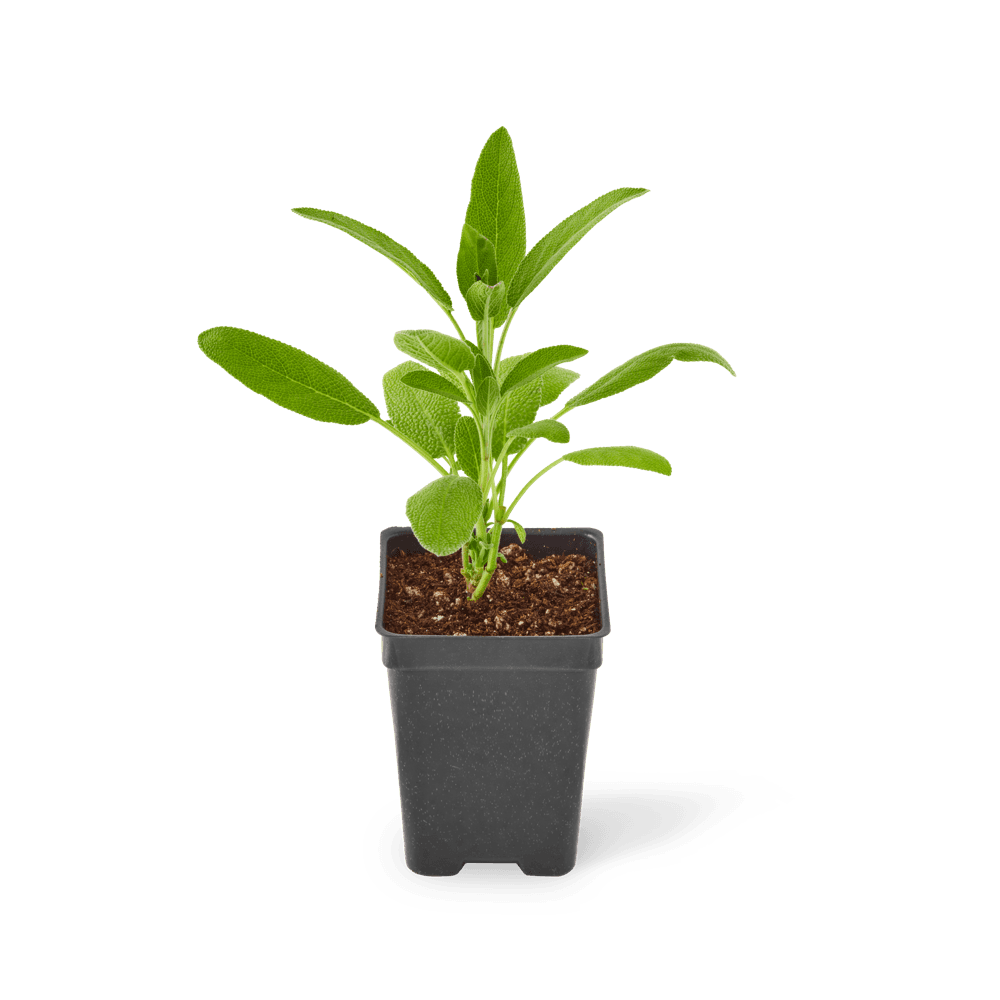
Garden Sage
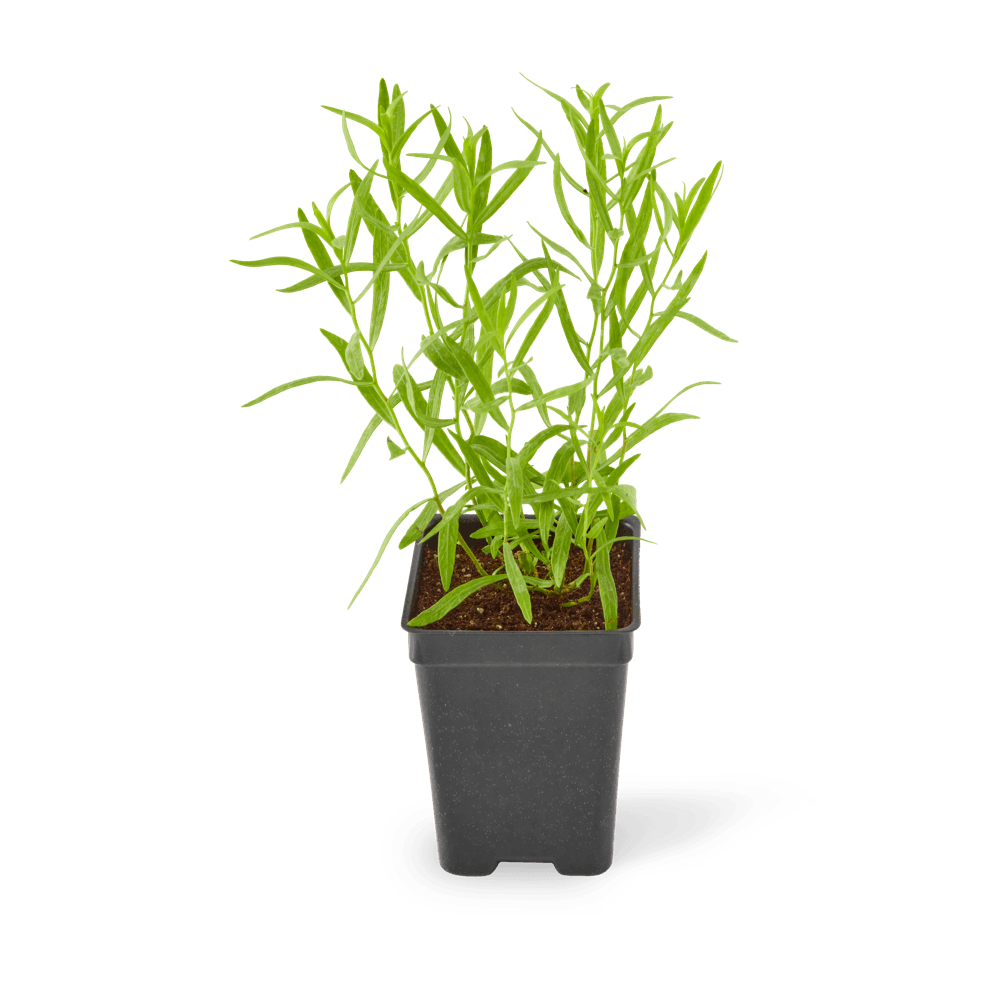
French Tarragon
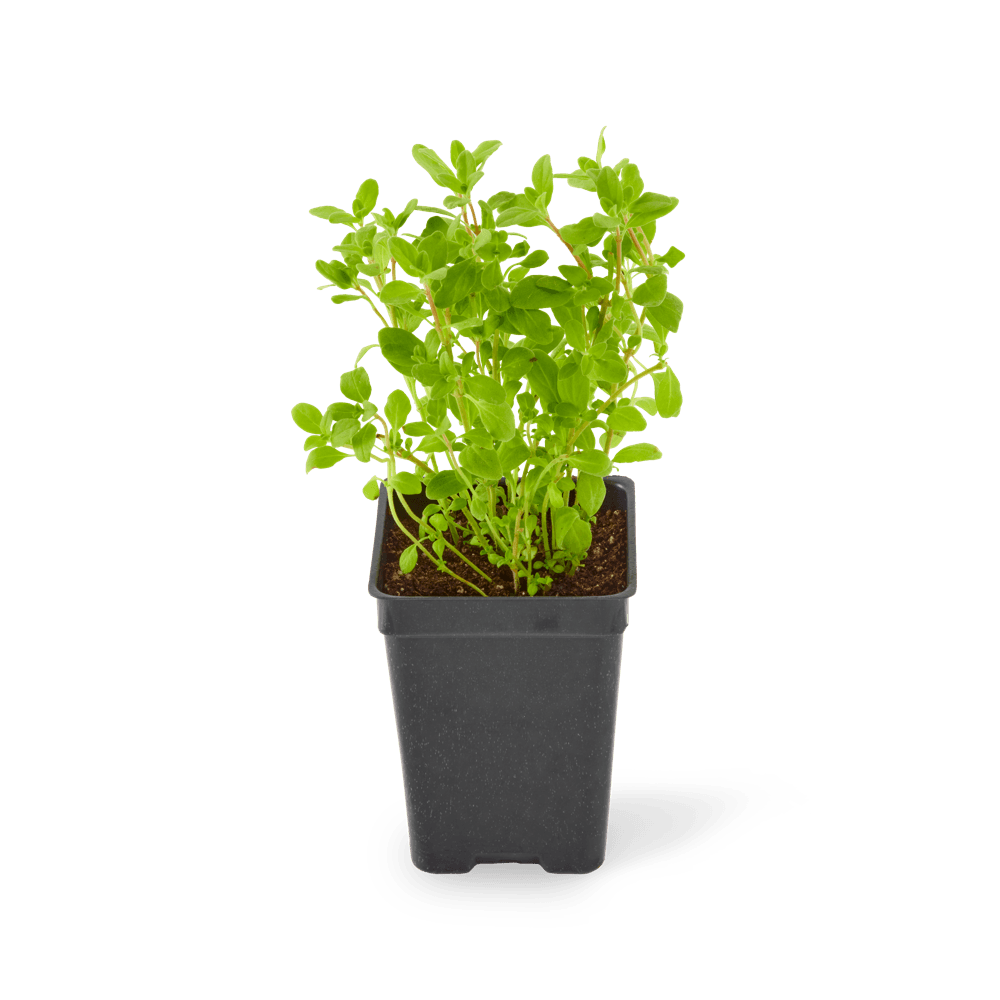
Sweet Marjoram
First steps
Your plants have arrived. Now what?
Plant check-up
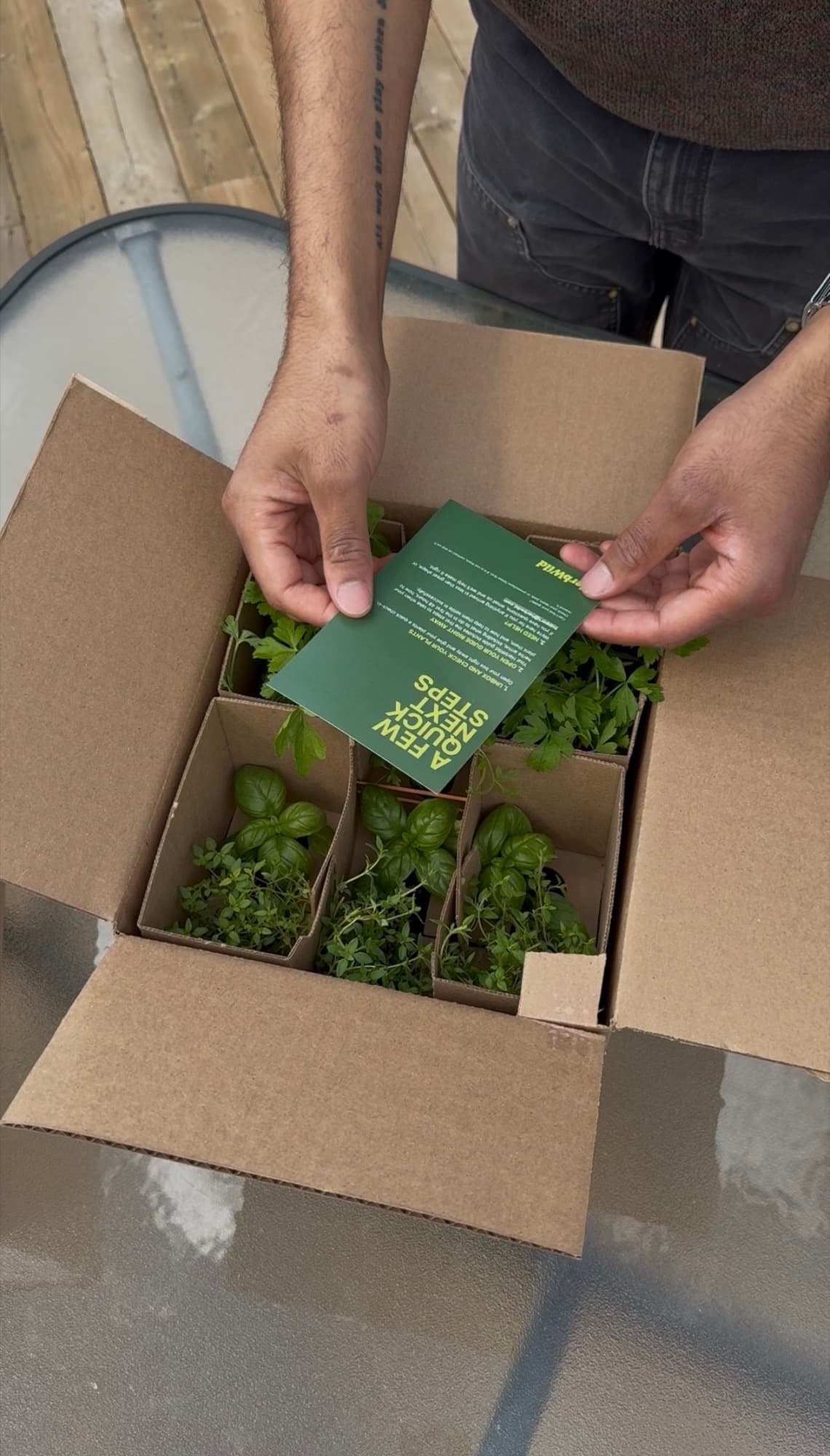
When your plants arrive, remove them from the box right away and take a moment to look them over. Just like us, plants can feel a little stressed after traveling. If anything hasn’t arrived in good condition, please email us within 48 hours at support@herbwild.com so we can help. We want you to succeed, which is why our plants are backed by a 15-day satisfaction guarantee.
Water
Check the soil moisture of each plant with your finger. If the soil feels dry just below the surface, water gently at the base of the plant until the soil is evenly moist and excess water begins to drain from the bottom. Avoid letting the pot sit in standing water.
Hardening off
Help your herbs adjust
Hardening off is the process of gradually helping indoor-raised plants adjust to outdoor conditions like direct sun, wind, and temperature changes.
This helps reduce stress and gives your plants the best chance to settle in and thrive.
Do not place plants in full sun right away. Start by keeping your plants in indirect light near a bright window or outdoors in dappled shade, away from strong winds, for 1–2 days once the risk of frost has passed. Gradually introduce them to brighter sunlight over the next few days.
Meet the plants
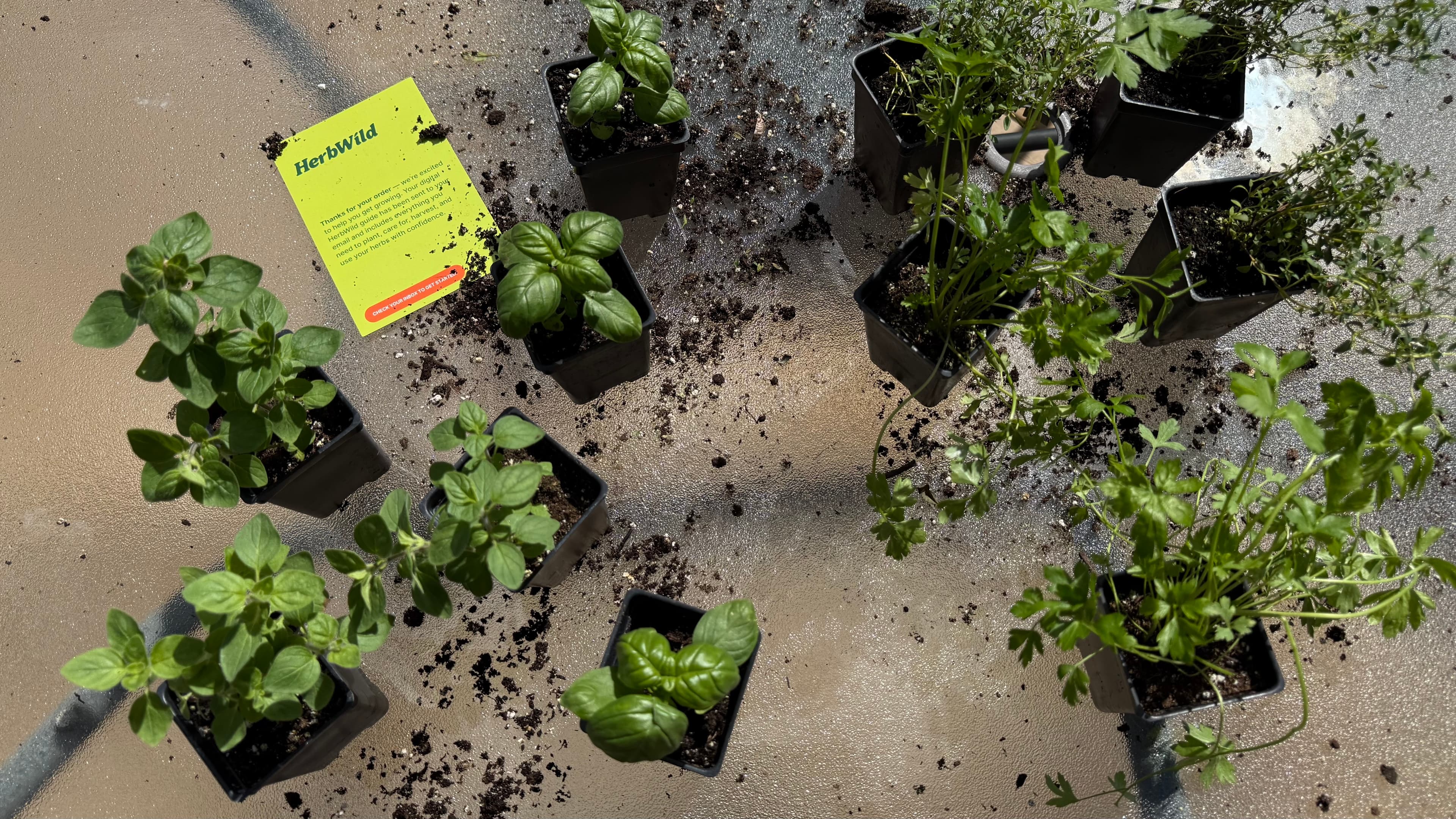
Get to know your herbs
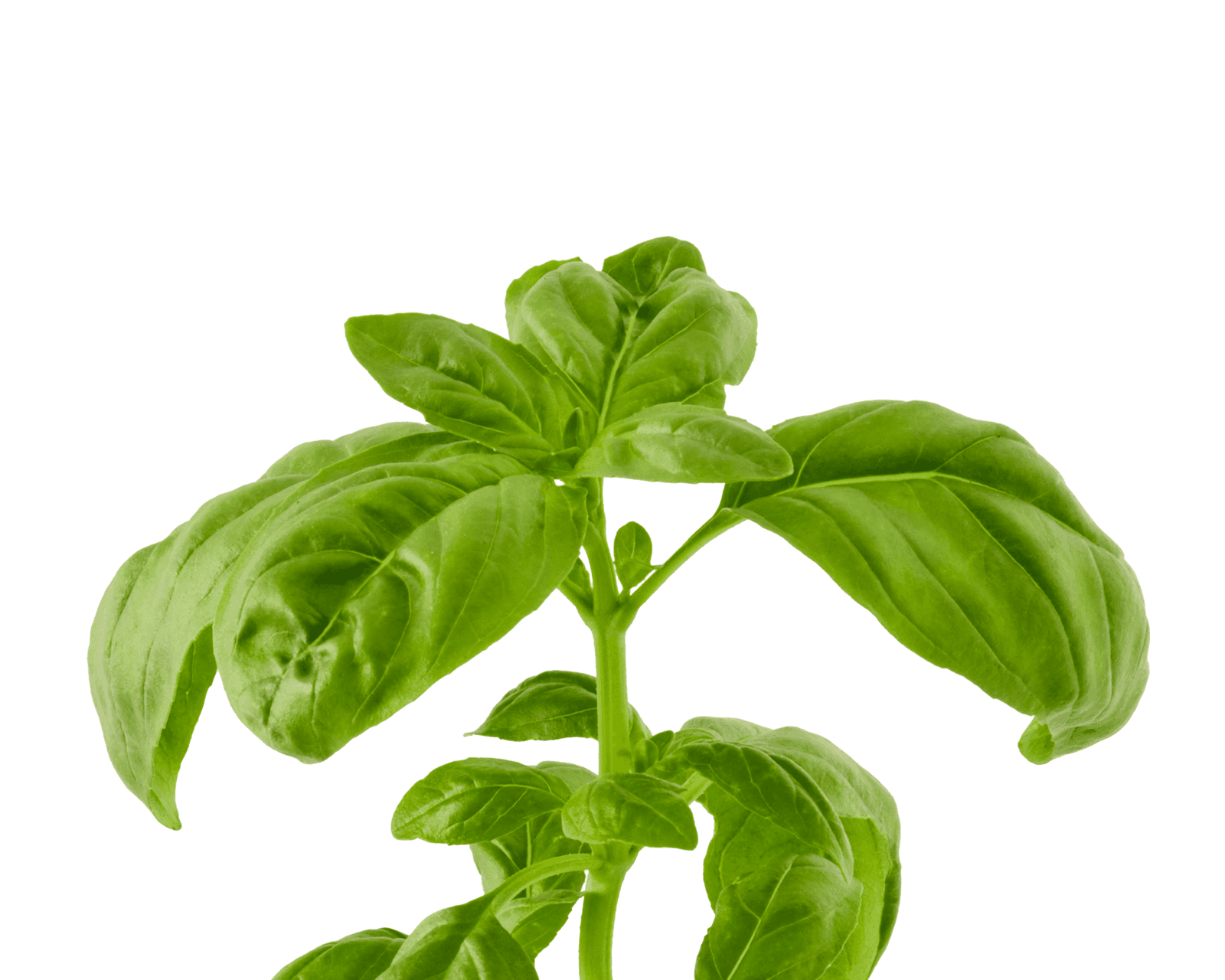
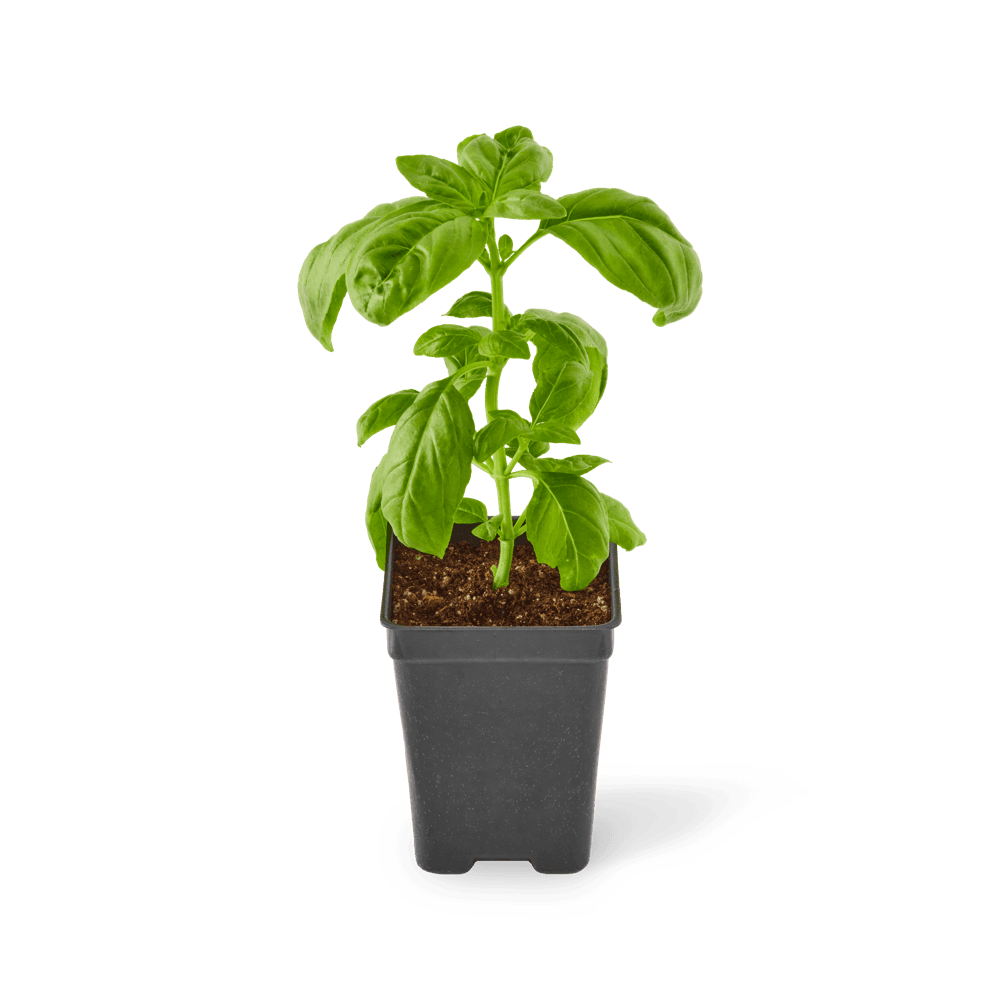
Genovese Basil
What it’s like
A tender, fast-growing herb with lush green leaves and a sweet, fragrant aroma. Basil loves warmth and rewards regular picking with lots of fresh new growth.
In the kitchen
A classic in pesto, tomato dishes, pasta, pizza, herb oils, and fresh finishing touches.
Beginner tip
Pinch off flower buds as they appear and harvest often to keep the plant bushy, tender, and productive.
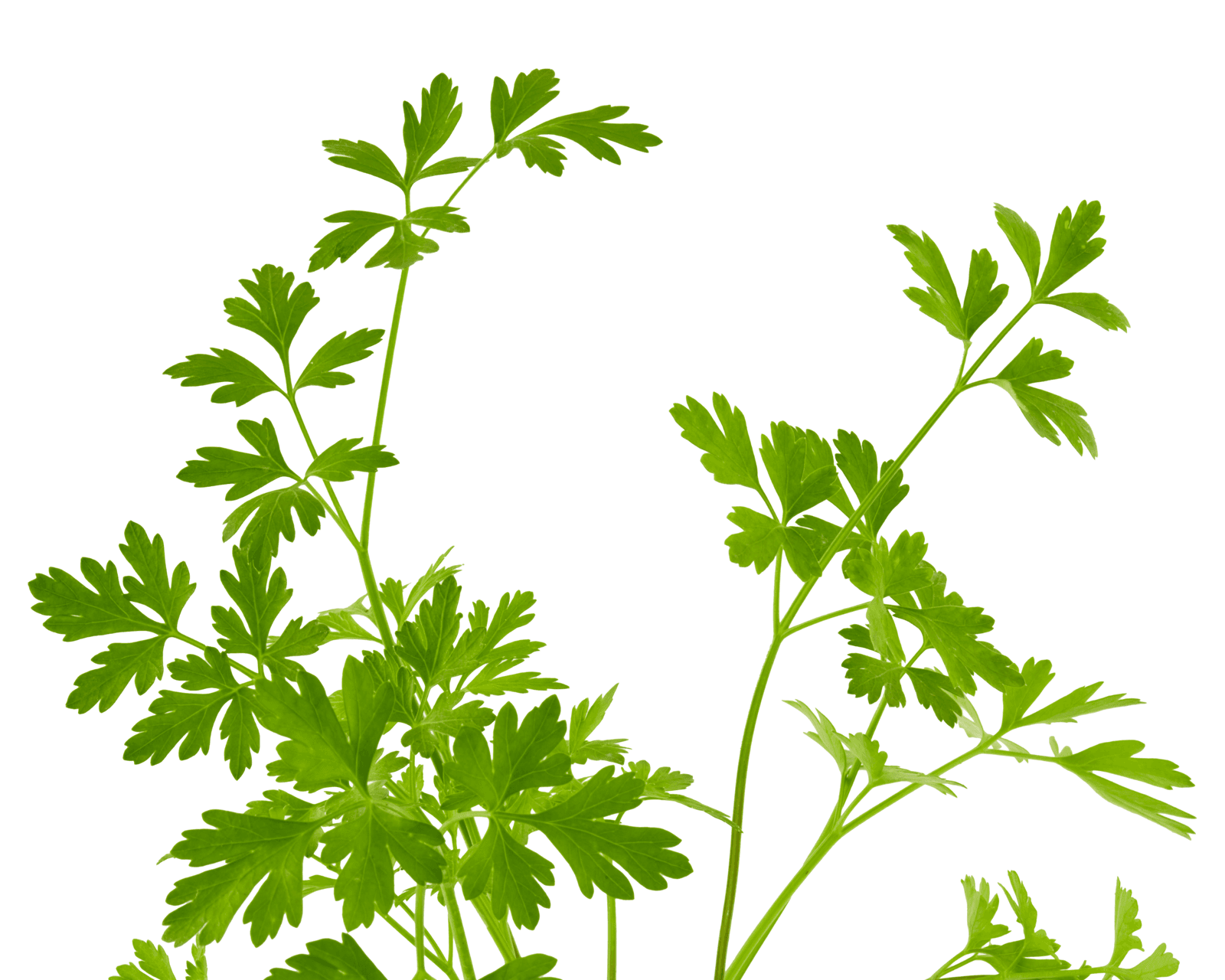
Italian Parsley
What it’s like
A fresh, leafy herb with a clean, bright flavour and upright growth. Parsley is easy to harvest, grows generously, and adds a lively green freshness to the garden.
In the kitchen
A staple in salads, sauces, soups, grain dishes, marinades, and as a fresh finishing herb.
Beginner tip
Harvest the outer stems first and let the centre keep growing so the plant stays full and productive.
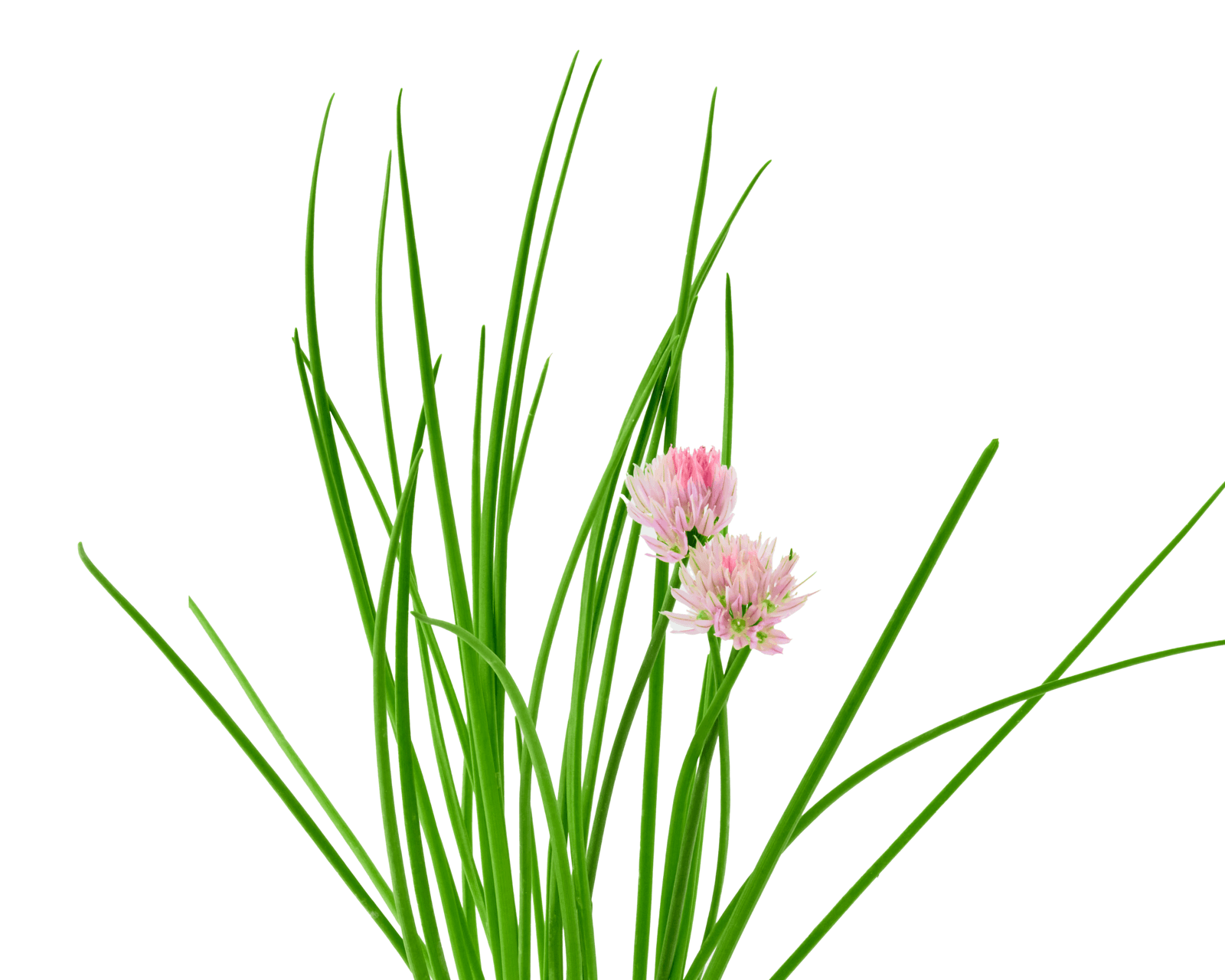
Chives
What it’s like
A tidy, clump-forming herb with slender green leaves and a mild onion flavour. Chives are easy to grow, quick to regrow after cutting, and bring a fresh, savoury brightness to both the garden and the plate.
In the kitchen
A classic in eggs, potatoes, soups, salads, compound butters, creamy sauces, and as a fresh finishing herb.
Beginner tip
Cut chives often to keep the leaves tender and productive. The more regularly you harvest them, the more fresh new blades they will send up.
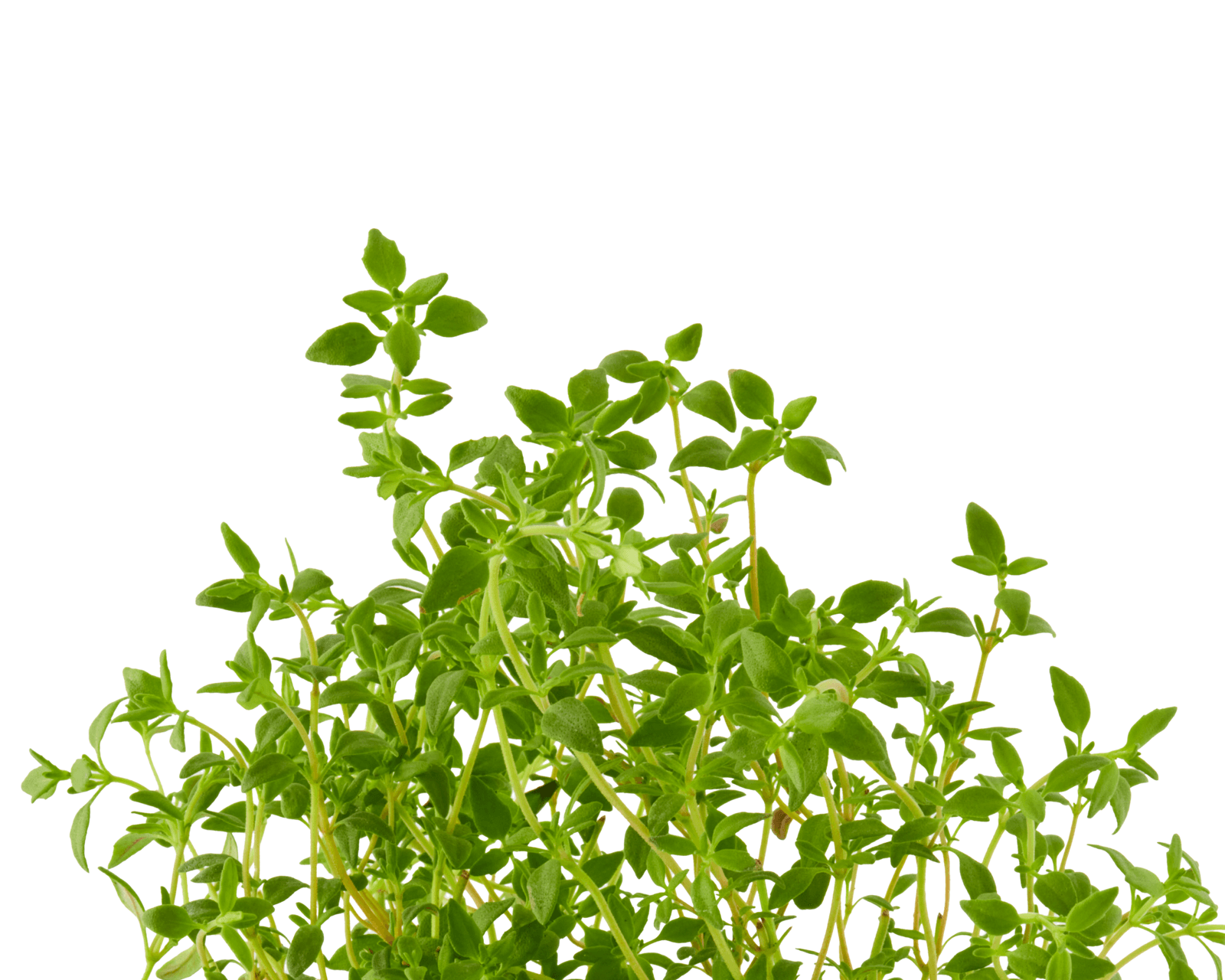
English Thyme
What it’s like
A low-growing herb with tiny fragrant leaves and a warm, earthy aroma. English thyme is hardy, tidy, and becomes more woody as it matures.
In the kitchen
A classic in roasted vegetables, soups, stews, meats, sauces, and slow-cooked dishes.
Beginner tip
Let the soil dry slightly between waterings and trim regularly to encourage fresh, bushy growth.
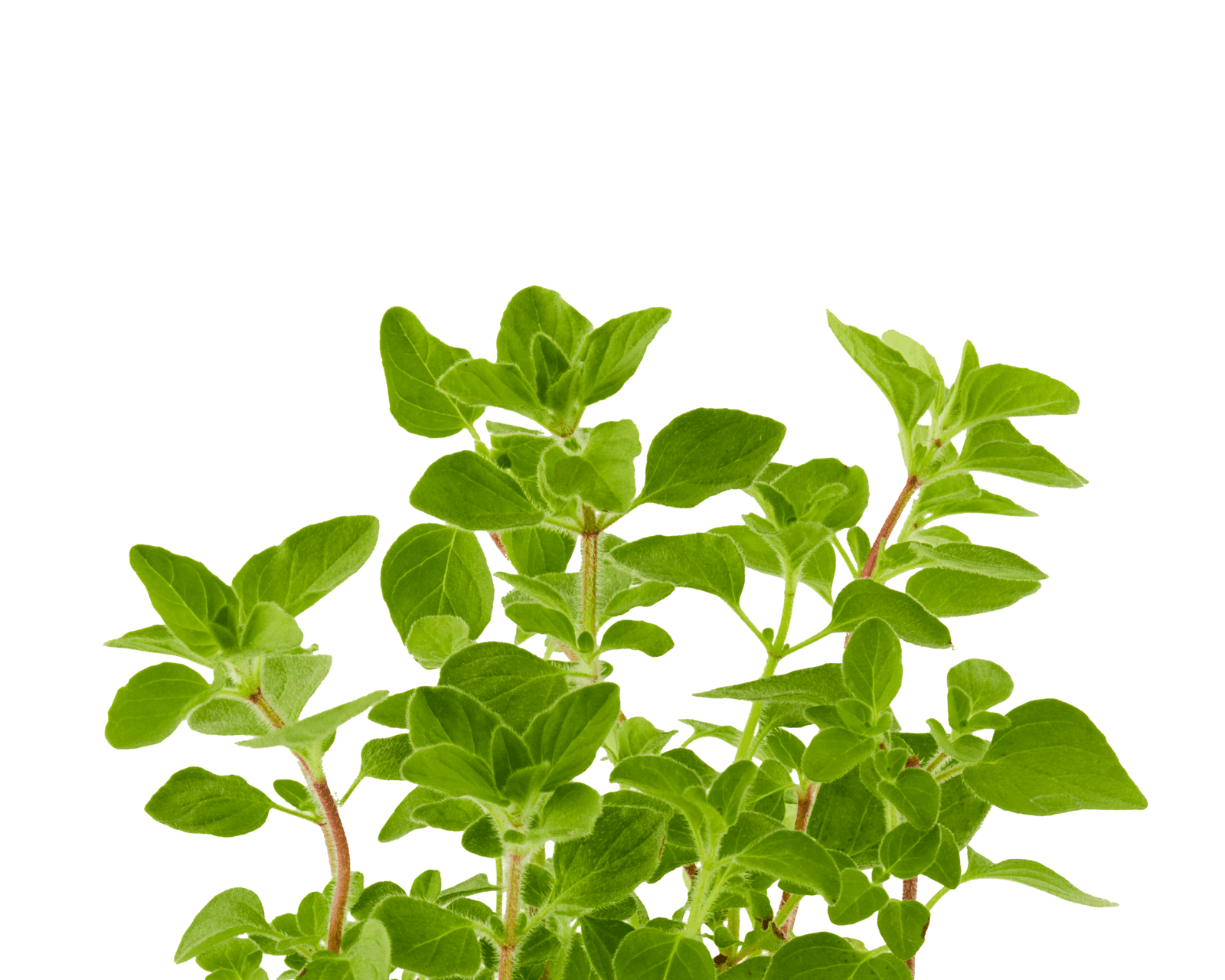
Greek Oregano
What it’s like
A hardy, sun-loving herb with small aromatic leaves and a bold, savoury flavour. Greek oregano grows into a bushy mound and becomes especially fragrant in warm weather.
In the kitchen
A staple in tomato sauces, roasted vegetables, meats, marinades, pizzas, and Mediterranean dishes.
Beginner tip
Harvest often to keep the plant full and flavourful, and let the soil dry slightly between waterings.
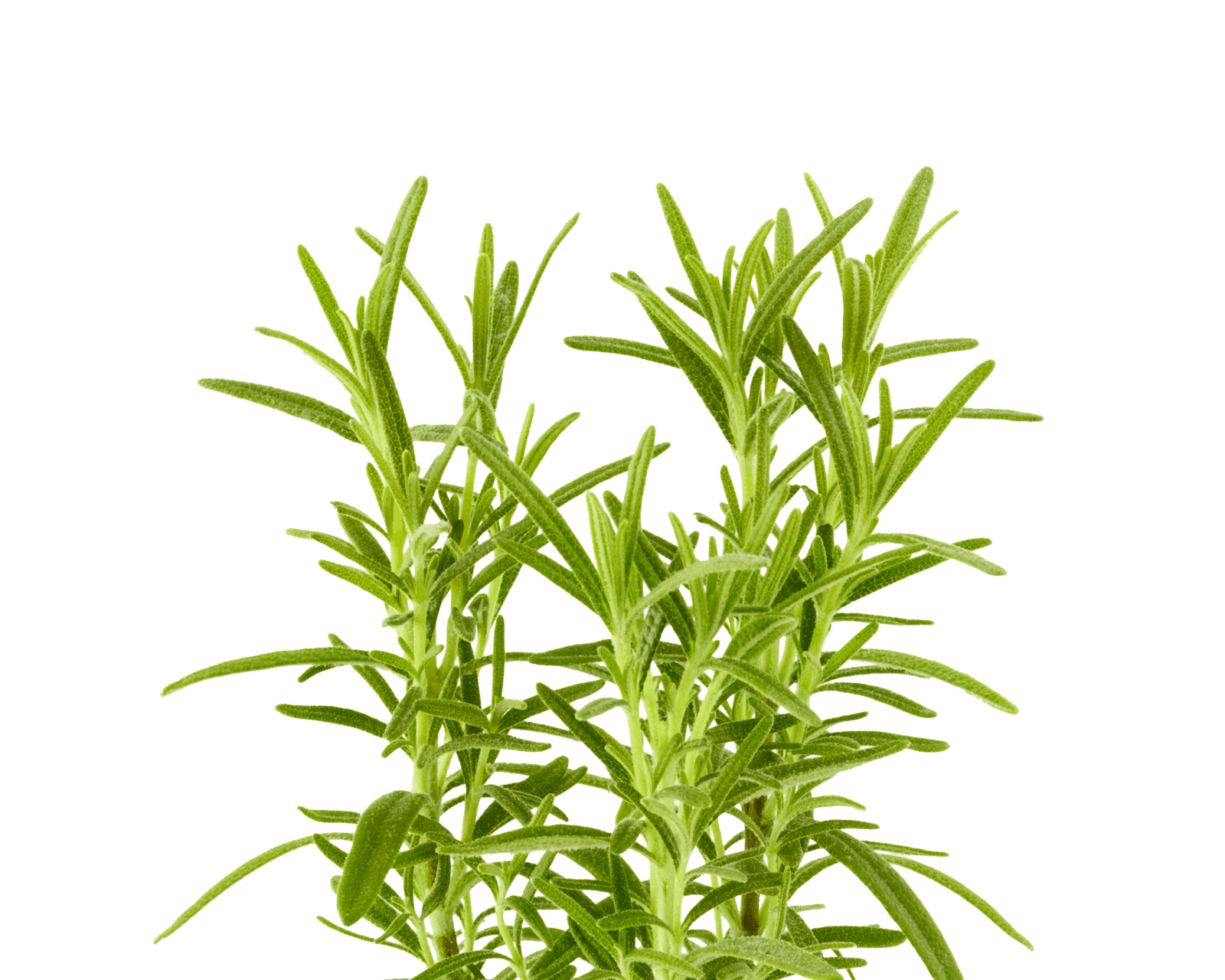
Rosemary
What it’s like
A woody, upright herb with needle-like leaves and a bold, piney aroma. Rosemary is deeply fragrant, full of character, and brings a strong savoury presence to both the garden and the kitchen.
In the kitchen
A classic with roasted potatoes, breads, meats, vegetables, beans, and infused oils. Its flavour is strong, so a little goes a long way.
Beginner tip
Simmer older, woodier rosemary trimmings in a pot of water with lemon slices on the stove for a natural, invigorating home deodorizer.
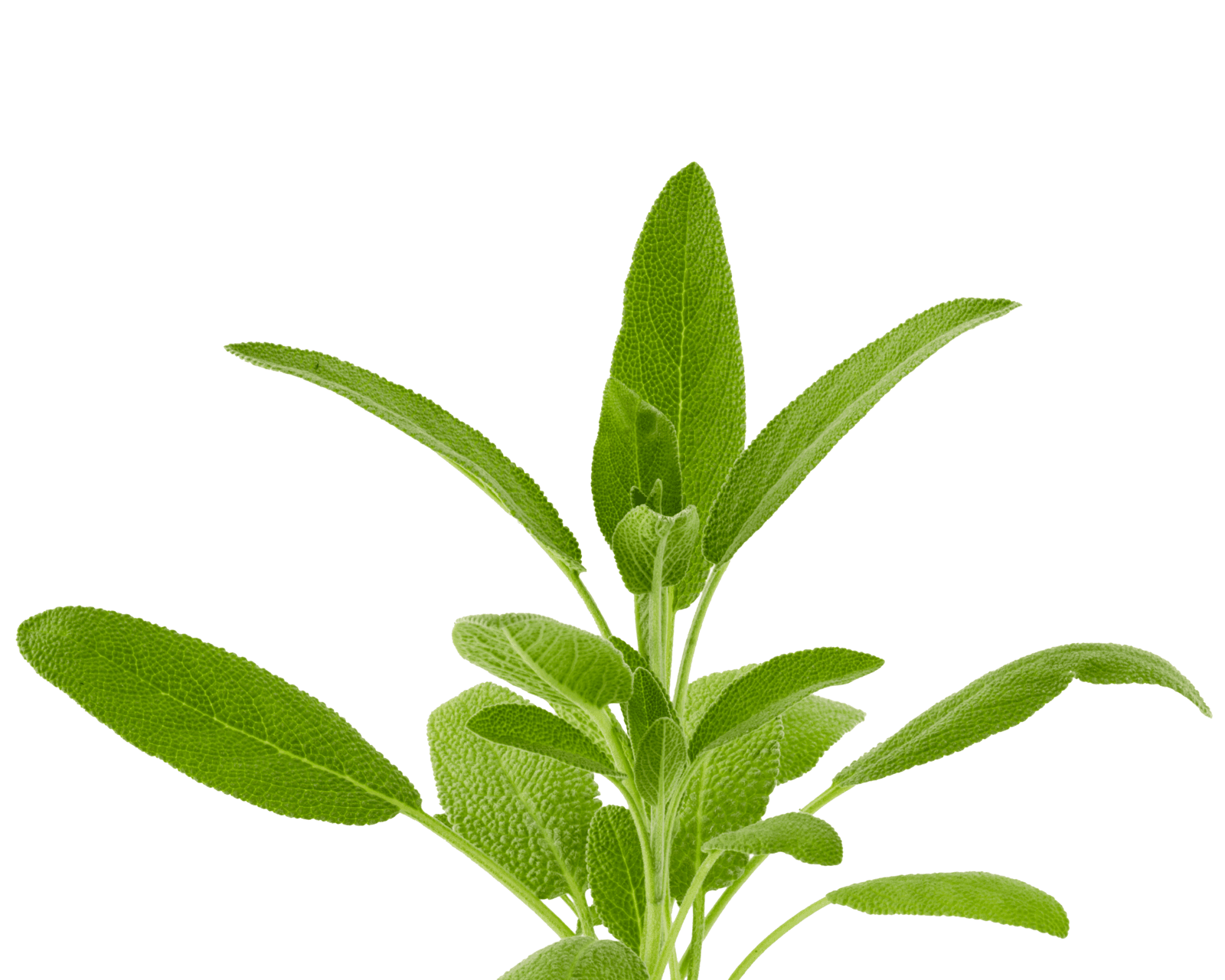
Garden Sage
What it’s like
A soft, silvery-green herb with velvety leaves and a warm, earthy aroma. Sage has a rich, savoury flavour and adds a classic, comforting character to the garden.
In the kitchen
Wonderful in browned butter, stuffing, roasted squash, beans, sausages, poultry dishes, and hearty fall and winter cooking.
Beginner tip
Avoid pruning back into the old, grey wood, since sage rarely produces new growth from hardened stems.
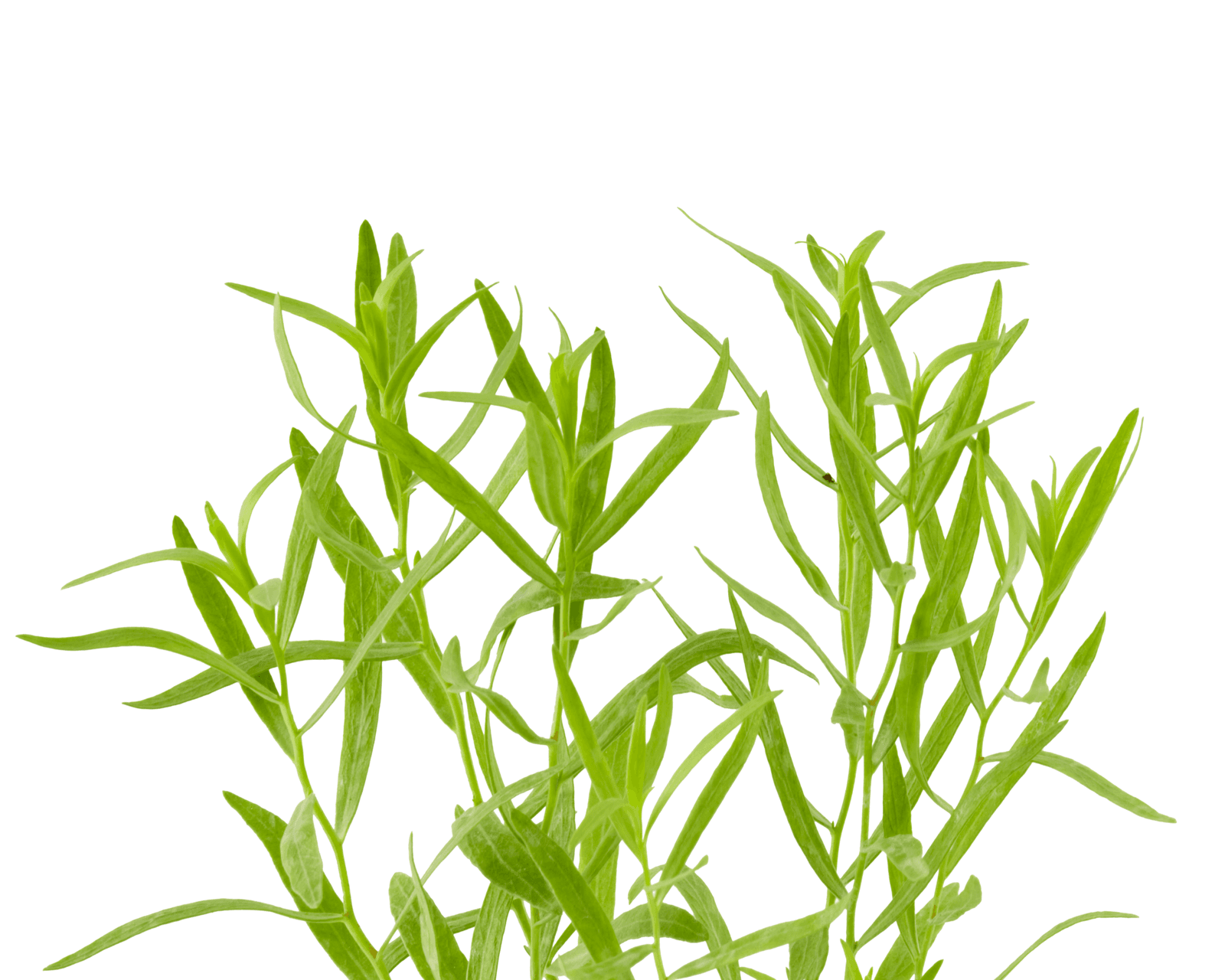
French Tarragon
What it’s like
A graceful herb with slender green leaves and a delicate aroma of anise and sweet spice. French tarragon feels refined and slightly unexpected, bringing a more elegant note to the garden.
In the kitchen
Excellent in vinaigrettes, creamy sauces, egg dishes, chicken, fish, and French-inspired cooking. It adds a subtle but distinctive lift to simple dishes.
Beginner tip
Add the leaves at the very end of cooking, since too much heat can dull the delicate oils that give tarragon its distinctive anise aroma.
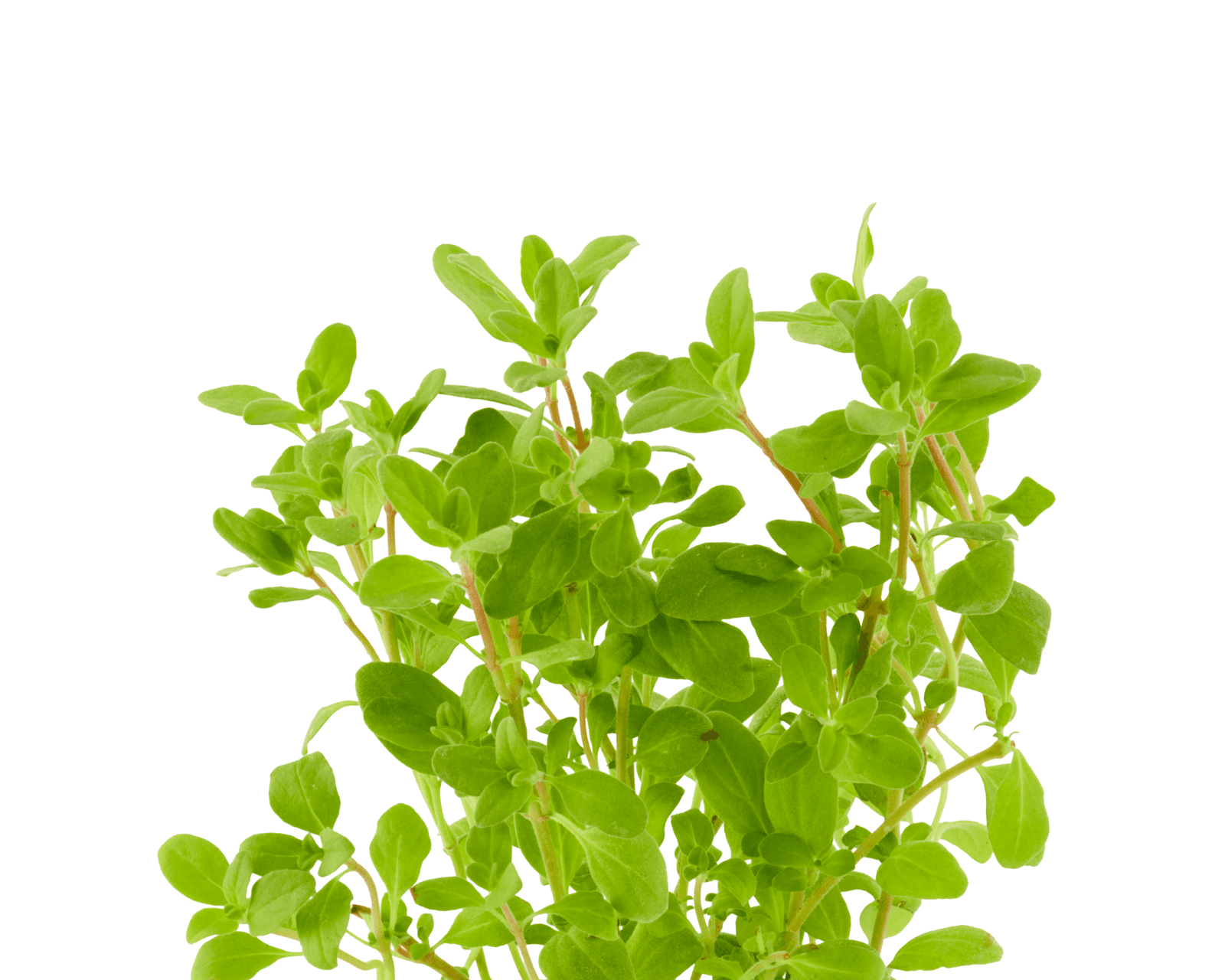
Sweet Marjoram
What it’s like
A soft, bushy herb with small leaves and a gentle, sweet herbal aroma. Marjoram is milder and more delicate than oregano, with a warm flavour that feels rounded and inviting.
In the kitchen
Lovely in soups, roasted vegetables, tomato dishes, beans, eggs, and gentle seasoning blends. It pairs especially well with savoury comfort foods.
Beginner tip
Substitute marjoram for oregano when you want a softer, more floral and citrusy flavour instead of a sharper, more pungent kick.
Planting
It’s time to plant your garden
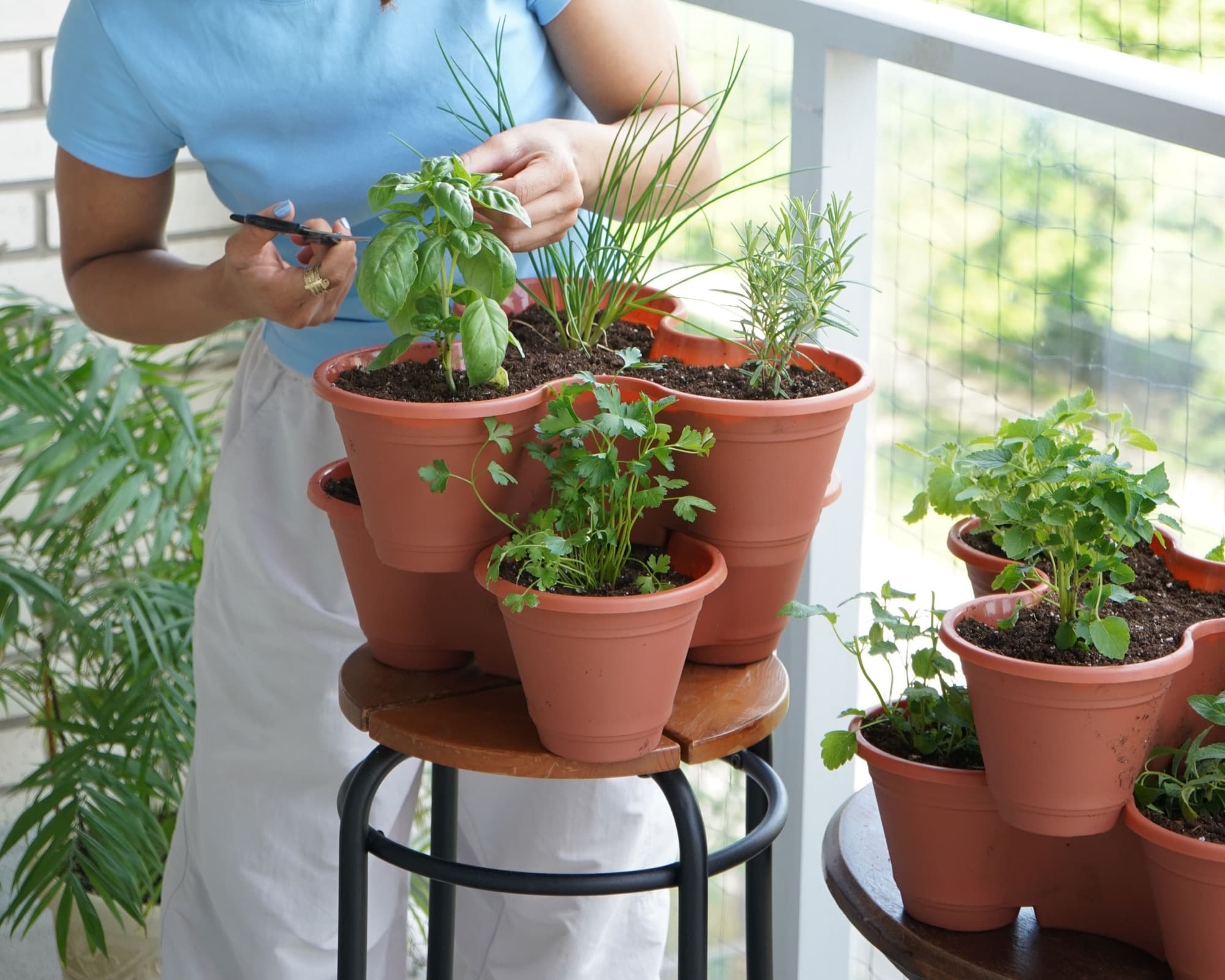
Now that your plants have been hardened off, it’s time to plant them in their final home. Depending on your space and lifestyle, you have a couple of planting options to choose from:
Option 1: Containers
Perfect for patios, balconies, decks, and smaller spaces. Container gardening gives you flexibility and makes it easy to move your herbs where they will grow best.
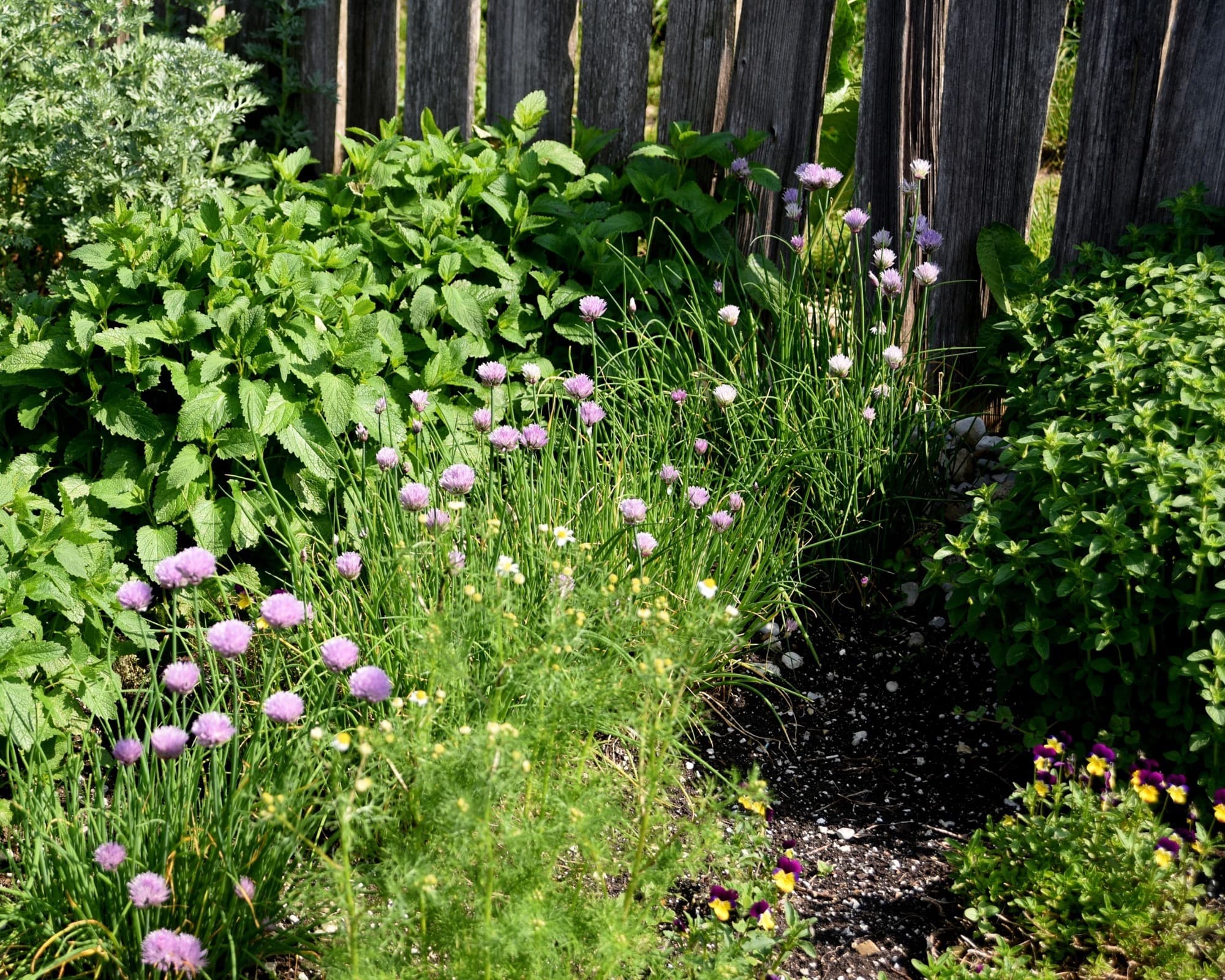
Option 2: Garden Beds
A great choice if you have outdoor space and want a more established herb garden. Garden beds give your herbs more room to spread, grow, and produce bigger yield.
Option 1
Planting in containers
Why containers work well
- Great for patios, balconies, and small spaces.
- Easy to move into sun or shelter.
- Keeps fresh herbs close to the kitchen.
- Easier to manage and keep weed-free.
What you need
- Pots with drainage holes.
- High-quality potting soil for herbs or vegetables.
- Enough space for each plant to grow.
Pot size guide
- 4–6 inch pot for one plant.
- 14–16 inch pot for a group of three.
Where to place your containers
Put your containers in a bright spot that gets at least 6 hours of direct sun per day.
How to plant
- Fill your pot with soil, leaving about 1 inch below the rim.
- Remove the plant from its pot and gently loosen the roots if needed.
- Make a hole large enough for the roots.
- Set the plant in at the same soil level as before.
- Fill in around the roots and press lightly.
- Water thoroughly.
Simple recommended layout
Keep each variety easy to identify when planting in containers. Plant one herb per 4–6 inch pot, or combine compatible herbs in larger 14–16 inch pots with enough room between plants. For the full collection, use 9 individual pots or several larger containers grouped in a sunny spot for easy care and harvesting.
Option 2
Planting in garden beds
Why garden beds work well
- Gives plants more room to spread and grow.
- Can be a more economical option for larger plantings.
- Allows perennial herbs to establish and return year after year.
What you need
- A raised garden bed or in-ground planting area with good drainage.
- Compost to help improve the soil and give your herbs a strong start.
- About 6–8 square feet of space for the full collection.
Spacing guide
- Space plants about 10–12 inches apart.
- Leave enough room between groups to water, weed, and harvest comfortably.
How to prepare the soil
- Loosen the soil gently with a hand trowel so roots can spread easily.
- Remove any weeds from the planting area.
- Mix in some compost to improve the soil and give your herbs a strong start.
How to plant
- Loosen the soil in the planting area and remove any weeds.
- Remove the plant from its pot and gently loosen the roots if needed.
- Make a hole large enough for the roots.
- Set the plant in at the same soil level as before.
- Fill in around the roots and press lightly.
- Water thoroughly.
Simple recommended layout
Plant your herbs with enough space for each variety to grow and stay easy to harvest. Place taller, woodier herbs like rosemary, sage, and tarragon toward the back or centre of the bed, and keep softer herbs like basil, parsley, chives, thyme, oregano, and marjoram toward the front or edges.
Care rhythm
Caring for your herbs
Fresh herbs do best when you check in on them regularly. A few simple habits — watering, harvesting, trimming, and occasional feeding — will keep your plants healthy, productive, and full of flavour.
Watering
Check your herbs every 2–3 days and water in the morning if needed. Always test the soil first, since overwatering is one of the most common beginner mistakes. Water at the base of the plant, not over the leaves. On very hot, sunny days, check the soil again in the afternoon and top up if needed.
Harvesting and trimming
Harvest your herbs often so you can enjoy them at their freshest. Check them about once a week for light trimming to encourage fresh growth and to keep plants full and productive. Remove any yellowing, damaged, or dried leaves as you notice them. If your herbs become extra full and bushy, do a larger harvest and preserve any excess by drying or freezing.
Feeding
Feed your herbs about once a month by adding an all-purpose fertilizer and following the product directions. If your herbs are planted in rich garden soil with compost, they may need less feeding over time.
Keep an eye out
Each time you water or harvest, take a quick look at your herbs for signs of stress such as wilting, yellow leaves, browning, or slowed growth. Catching small issues early makes them much easier to fix.
Care tips
Herb-specific care tips
Genovese Basil
Watering
Keep the soil evenly moist. Basil does not like drying out completely.
Feeding
Feed once a month with an all-purpose fertilizer.
Trimming
Harvest by snipping stems just above a pair of leaves. Pinch off flower buds as they appear to keep the plant leafy.
Good to know
Basil loves warmth and does not like cold temperatures. If growth slows or leaves droop, it may need more warmth or more consistent moisture.
Italian Parsley
Watering
Keep the soil evenly moist. Parsley does not like drying out completely.
Feeding
Feed once a month with an all-purpose fertilizer.
Trimming
Harvest the outer stems first by cutting them near the base of the plant. Leave the centre growth in place so the plant can keep producing.
Good to know
Parsley is slow at first, but provides generous harvests once established. Regular cutting helps keep it fresh and productive.
Chives
Watering
Keep the soil lightly and evenly moist. Chives prefer steady moisture and do not like drying out for long periods.
Feeding
Feed once a month with an all-purpose fertilizer.
Trimming
Harvest regularly by cutting the leaves back with scissors. Frequent cutting encourages fresh, tender regrowth.
Good to know
Chives grow in dense clumps and come back reliably year after year. If the clump becomes crowded over time, dividing it will help keep the plant vigorous and productive.
English Thyme
Watering
Let soil dry slightly between waterings. Thyme prefers drier conditions and does not like soggy soil.
Feeding
Feed lightly once a month with an all-purpose fertilizer.
Trimming
Trim regularly by snipping the soft green stems.
Good to know
Thyme likes sun, airflow, and sharp drainage. If it starts looking weak or floppy, it may be getting too much water.
Greek Oregano
Watering
Let soil dry slightly between waterings. Oregano prefers drier conditions and does not like soggy soil.
Feeding
Feed lightly once a month with an all-purpose fertilizer.
Trimming
Harvest often by snipping the growing tips to keep the plant bushy and full.
Good to know
Oregano becomes especially fragrant in warm, sunny weather. Regular harvesting helps keep it compact, productive, and full of flavour.
Rosemary
Watering
Let the soil dry slightly between waterings. Rosemary prefers drier conditions and does not like soggy soil.
Feeding
Feed lightly once a month with an all-purpose fertilizer.
Trimming
Harvest by snipping soft green stems regularly. Avoid cutting too deeply into older woody growth.
Good to know
Rosemary loves heat, sun, and good drainage. In cooler climates, it may need protection or to be brought indoors before frost.
Garden Sage
Watering
Let the soil dry slightly between waterings. Sage prefers drier conditions and does not like sitting in wet soil.
Feeding
Feed lightly once a month with an all-purpose fertilizer.
Trimming
Harvest regularly by cutting young stems and leaves. Avoid pruning back into the old, grey wood, since sage rarely produces new growth from hardened stems.
Good to know
Sage grows best in full sun with good airflow. Regular harvesting helps keep the plant tidy, productive, and full of flavour.
French Tarragon
Watering
Keep the soil lightly and evenly moist, but not soggy. Let the top layer dry slightly between waterings.
Feeding
Feed once a month with an all-purpose fertilizer.
Trimming
Harvest often by snipping tender stems and leaves. Regular cutting encourages fresh new growth and helps keep the plant full.
Good to know
French tarragon prefers full sun and good drainage. It is more delicate than some other herbs, so avoid overly wet soil and harsh exposure.
Sweet Marjoram
Watering
Keep the soil lightly moist, allowing the top layer to dry slightly between waterings. Marjoram prefers steady moisture but does not like soggy soil.
Feeding
Feed once a month with an all-purpose fertilizer.
Trimming
Harvest frequently by snipping soft stems and leaves. Regular picking helps keep the plant bushy, tender, and productive.
Good to know
Sweet marjoram loves warmth and sun. Harvest once the green 'knots' appear at the tips, but before they open into flowers, to capture the plant at its peak sweetness.
Harvest
Harvesting herbs
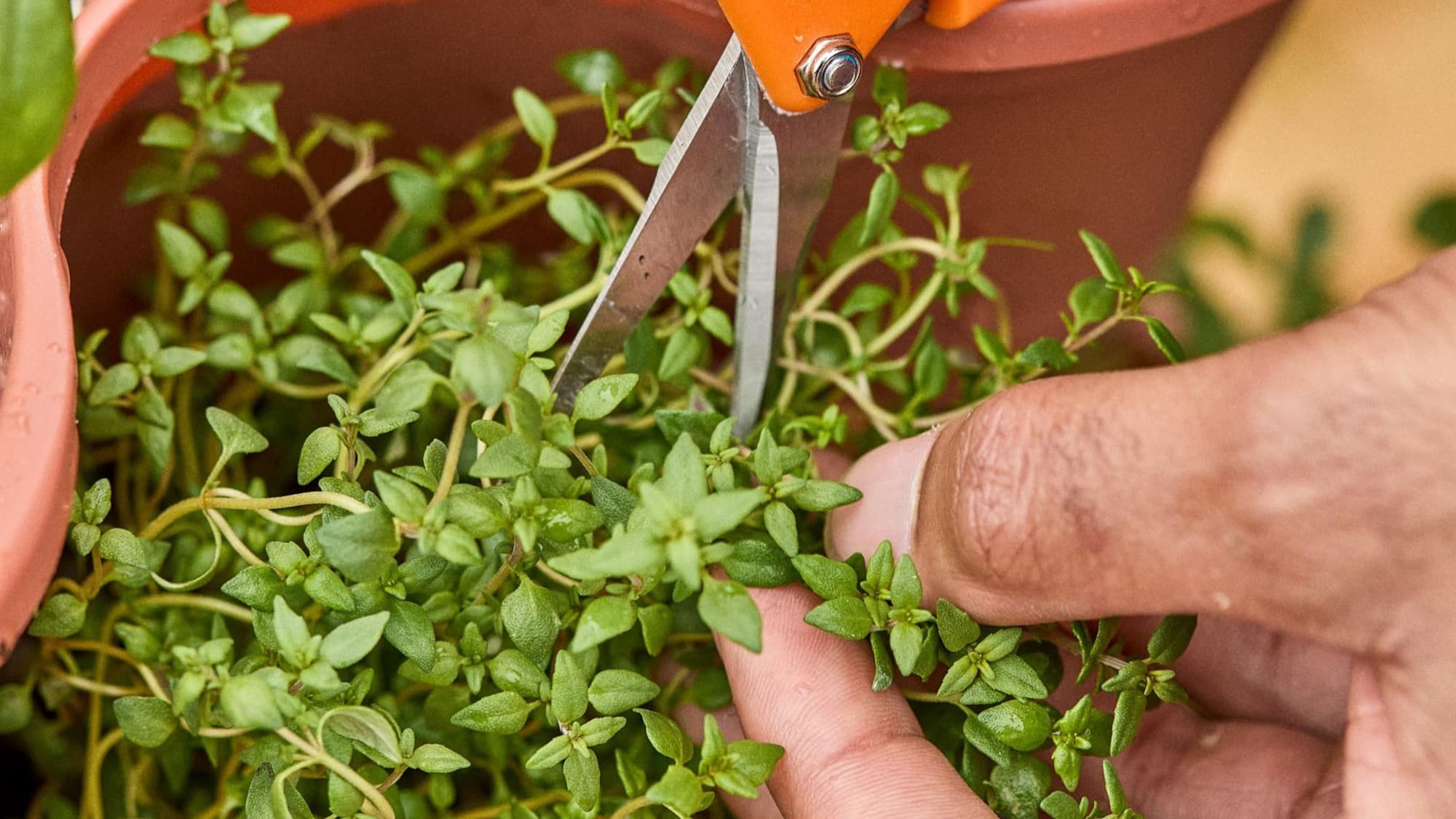
Harvesting your own herbs is one of the simplest and most satisfying parts of growing them. There’s nothing quite like stepping outside to snip a handful of fresh herbs and bring that just-picked flavour straight into your cooking. Here’s how to harvest each one properly for the best flavour and to keep your plants healthy and productive.
Genovese Basil
How to harvest
Snip just above a "node" where two leaves branch off the main stem. Ensure to leave the tiny leaves starting to grow in the armpits of the large leaves—that’s where your new branches will come from.
When to harvest
Wait until the plant is at least 6–8 inches tall and has developed 4 distinct levels of leaves. This ensures the root system is strong enough to handle a "haircut."
How much to harvest
Take only the top 1–3 sets of leaves from each stem. Ensure to leave at least 3 sets of leaves at the bottom so the plant has enough "solar panels" to push out two new growth.
Italian Parsley
How to harvest
Snip the outermost stems at the very base of the plant, near the soil line, rather than plucking individual leaves from the top. Leave the centre growth in place.
When to harvest
Harvest outer stems once they are 5–6 inches long and the leaves have transitioned from curled and pale green to a flat, dark green fan shape.
How much to harvest
Only take the stems from the outermost ring of the plant, and never touch the "heart" (the tiny, bright green cluster in the very center) which is the plant’s engine for new growth.
Chives
How to harvest
Use scissors or herb snips to cut the leaves from the outside of the clump, about 1–2 inches above the soil line. Avoid pulling or tearing the leaves by hand.
When to harvest
Begin harvesting once the leaves are at least 6 inches tall and thick enough to cut cleanly. The best flavour comes from fresh, upright green growth.
How much to harvest
Take only the outer leaves first and leave the centre of the clump in place so it can keep pushing up new growth. You can harvest fairly generously, but always leave a small green base behind for regrowth.
English Thyme
How to harvest
Gather a small bunch of stems and snip the soft, flexible green tips, ensuring you leave at least one inch of green leaves on the stem above the "woody" brown part.
When to harvest
Harvest once established and when the individual stems are at least 4 to 5 inches long.
How much to harvest
Give the plant a "light trim" rather than a deep cut; you want to maintain the look of a full, green cushion. If you see the woody center of the plant, you've taken too much.
Greek Oregano
How to harvest
Snip the stems just above a pair of leaves to encourage the plant to grow horizontally and dense.
When to harvest
Harvest when the stems reach 4–5 inches in length and just before the plant feels "tough"; the leaves should feel slightly fuzzy and have an immediate, pungent scent when touched.
How much to harvest
Snip the top 1–2 inches off a few stems. Never snip so much that you can see the bare soil underneath. You always want to leave a solid "layer of green" to shade the roots.
Rosemary
How to harvest
Look for a “V” where the stem branches and snip about half an inch above that split.
When to harvest
Wait until the new, flexible stems are at least 6 inches long and the leaves have deepened from pale lime to a rich, resinous green.
How much to harvest
Take just the top 2 inches from several different stems to keep the plant balanced and prevent any one branch from becoming too heavy or leggy.
Garden Sage
How to harvest
Find a node, where two tiny new leaves are emerging at the base of a larger leaf, and snip the main stem just above it.
When to harvest
Pick leaves once they are about the size of your thumb and feel noticeably quilted or softly bumpy to the touch.
How much to harvest
Pick mature leaves from the middle of the plant, leaving the small tip growth in place so the stems can keep extending upward.
French Tarragon
How to harvest
Reach for the longest outer stems and snip them about 2 inches above the soil line to keep the centre of the plant open and airy.
When to harvest
Start harvesting once the plant is about 6 inches tall or when the stems begin to arch slightly under the weight of their foliage.
How much to harvest
Take only what you need for a single meal, leaving plenty of leafy growth behind to support the plant’s delicate root system.
Sweet Marjoram
How to harvest
Use shears to lightly trim the top 2 inches of the mound evenly, almost like giving it a soft haircut.
When to harvest
Harvest once the green 'knots' appear at the tips, but before they open into flowers, to capture the plant at its peak sweetness.
How much to harvest
Trim only the top layer, leaving a thick cushion of lower foliage in place to protect the roots and keep the plant full.
Preserve
Drying & Preserving
Preserving your herbs is a simple way to enjoy your harvest long after the growing season. It’s especially useful when your plants are producing more than you can use at once, or when you’re gathering the last of your herbs before the season ends. Drying works especially well for thyme and oregano, while freezing is a great option for tender herbs like basil and parsley, so you can keep homegrown flavour close at hand all year long.
Drying herbs
Best for thyme and oregano.
- Gather stems into small bundles and tie with string or an elastic band.
- Hang upside down in a warm, dry place with good airflow.
- Keep out of direct sunlight.
- For small batches, spread herbs in a single layer on a baking sheet and dry gently using the lowest heat possible, or residual warmth from a briefly heated oven.
- Herbs are ready when they feel dry, crisp, and crumble easily between your fingers.
- Store whole in a clean, airtight glass jar. Keep in a cool, dark place. Label and date your jars. For best flavour, use within 6 months.
Freezing herbs
Best for basil and parsley.
- Rinse and dry well.
- Remove leaves from the stems.
- Pack into freezer bags or airtight containers and freeze.
- For the ice cube tray method, chop herbs and place them in an ice cube tray. Cover with a little olive oil. Freeze until solid, then transfer cubes to a freezer bag or airtight container.
- Best used in cooked dishes like soups, sauces, sautés, and stews.
- Frozen herbs are convenient, but usually softer than fresh once thawed.
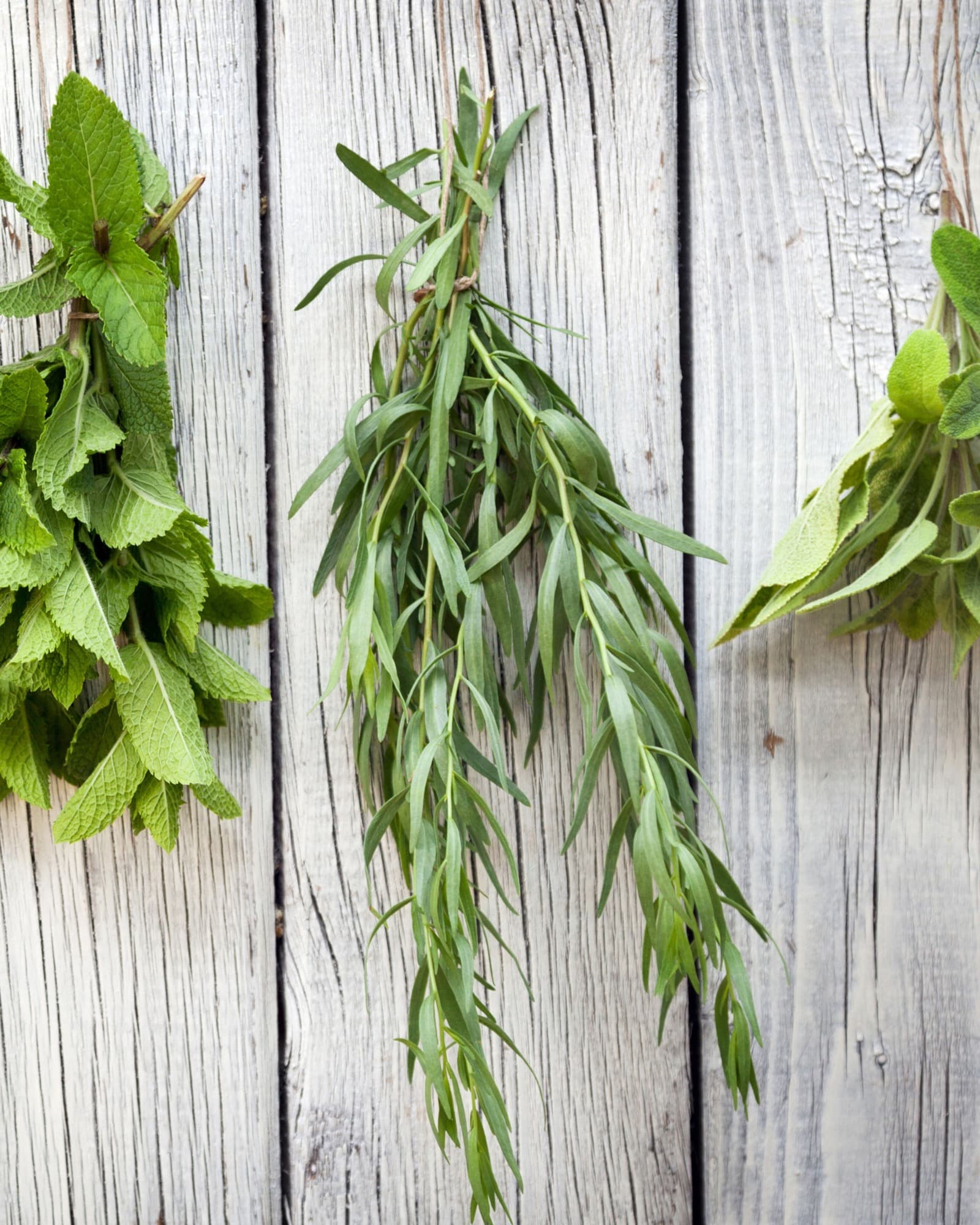
Fresh herbs
Cooking with fresh herbs
Now it’s time to enjoy one of the best parts of growing your own herbs: cooking with them!
Fresh herbs bring brightness, depth, and character to your meals, and even a small handful can make everyday dishes feel more vibrant and memorable. When you harvest them yourself, you enjoy a level of freshness and flavour that grocery store herbs simply cannot match.
This is your chance to get creative in the kitchen, to experiment with different herb pairings, play with flavour, and find new ways to make everyday meals your own.
Next up, we have some simple recipes to get you started with cooking with fresh herbs.
Herbs should lift a dish, not overpower it. Start with a small amount, taste, and add more if needed.
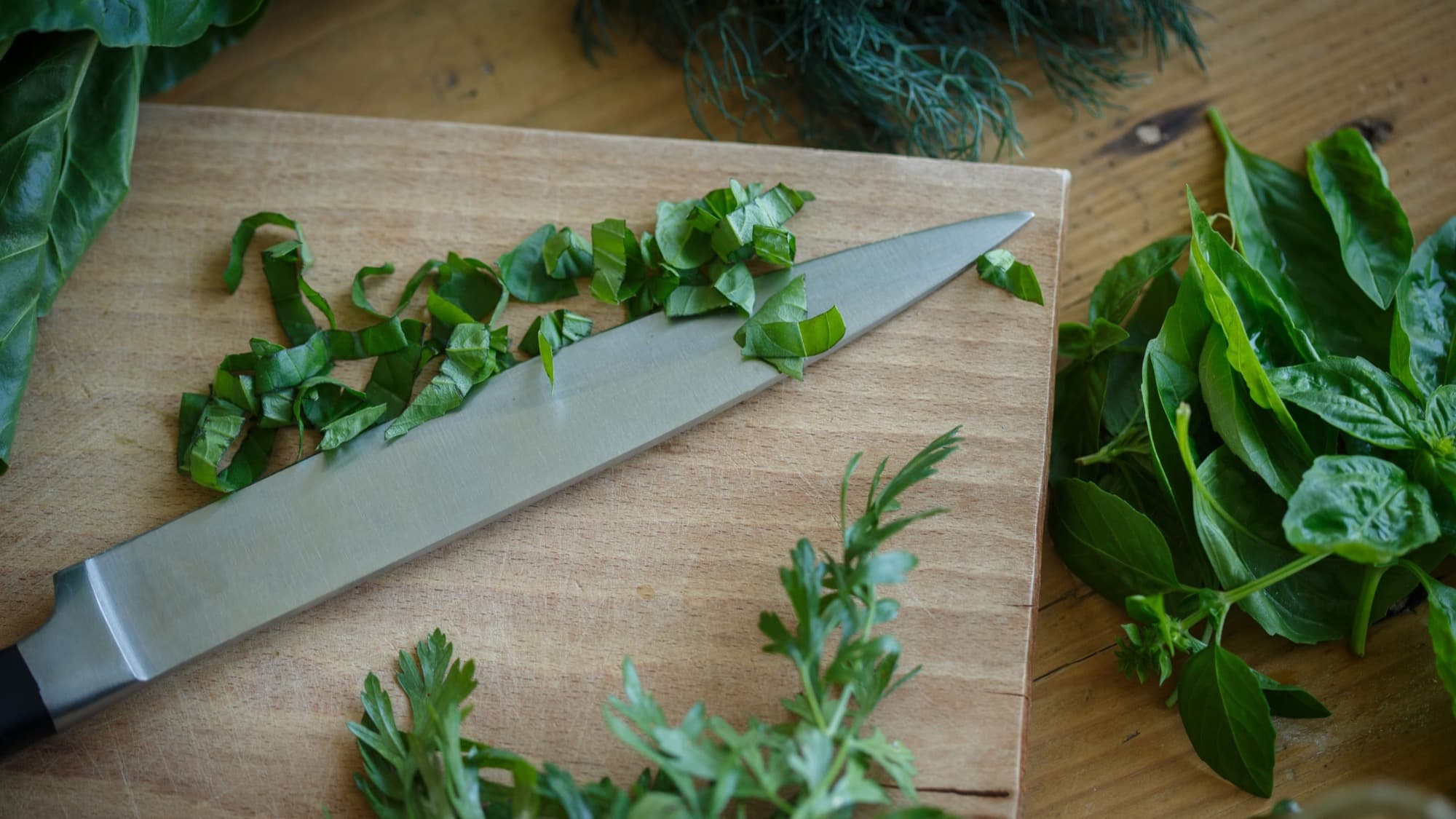
Basics
Fresh herb cooking basics
Fresh herbs are one of the easiest ways to make everyday food taste brighter, fresher, and more alive. Once you know a few simple principles, you can start using them confidently in all kinds of dishes.
Use them with intention
Rosemary and sage can handle more cooking time and are great in roasts, sauces, and slow-cooked dishes. Tarragon and marjoram are more delicate and are often best added near the end.
Chop or strip just before using
Fresh herbs are most aromatic right after cutting. Strip the leaves from woody stems like rosemary before chopping, and use tender leaves and tips for the freshest flavour.
Know which parts to use
Rosemary and sage are mostly used for their leaves, while the tougher stems are usually discarded. Tarragon and marjoram are more tender and can often be used leaf and stem together, as long as the stems are still soft.
Use hardy herbs differently from delicate ones
Fresh herbs are most aromatic right after cutting. Chop or tear them just before adding them to your dish for the freshest flavour.
Start small and taste as you go
These herbs should add depth and character without taking over the dish. Start with a little, taste, and add more only if needed.
Dried herbs
Cooking with dried herbs
Dried herbs are a simple and satisfying way to enjoy your harvest long after the growing season has ended.
They carry you through the colder months with concentrated flavour, bringing depth and comfort to everyday home cooking. They’re also a practical way to make the most of an abundant harvest, giving you a ready supply of shelf-stable, homegrown herbs to use year-round.
Perfect for seasoning soups, sauces, roasts, stews, and so much more, dried herbs let you bring a little of the garden into your kitchen in every season.
Up next, you’ll find a few simple recipes to help you put your dried herbs to delicious use.
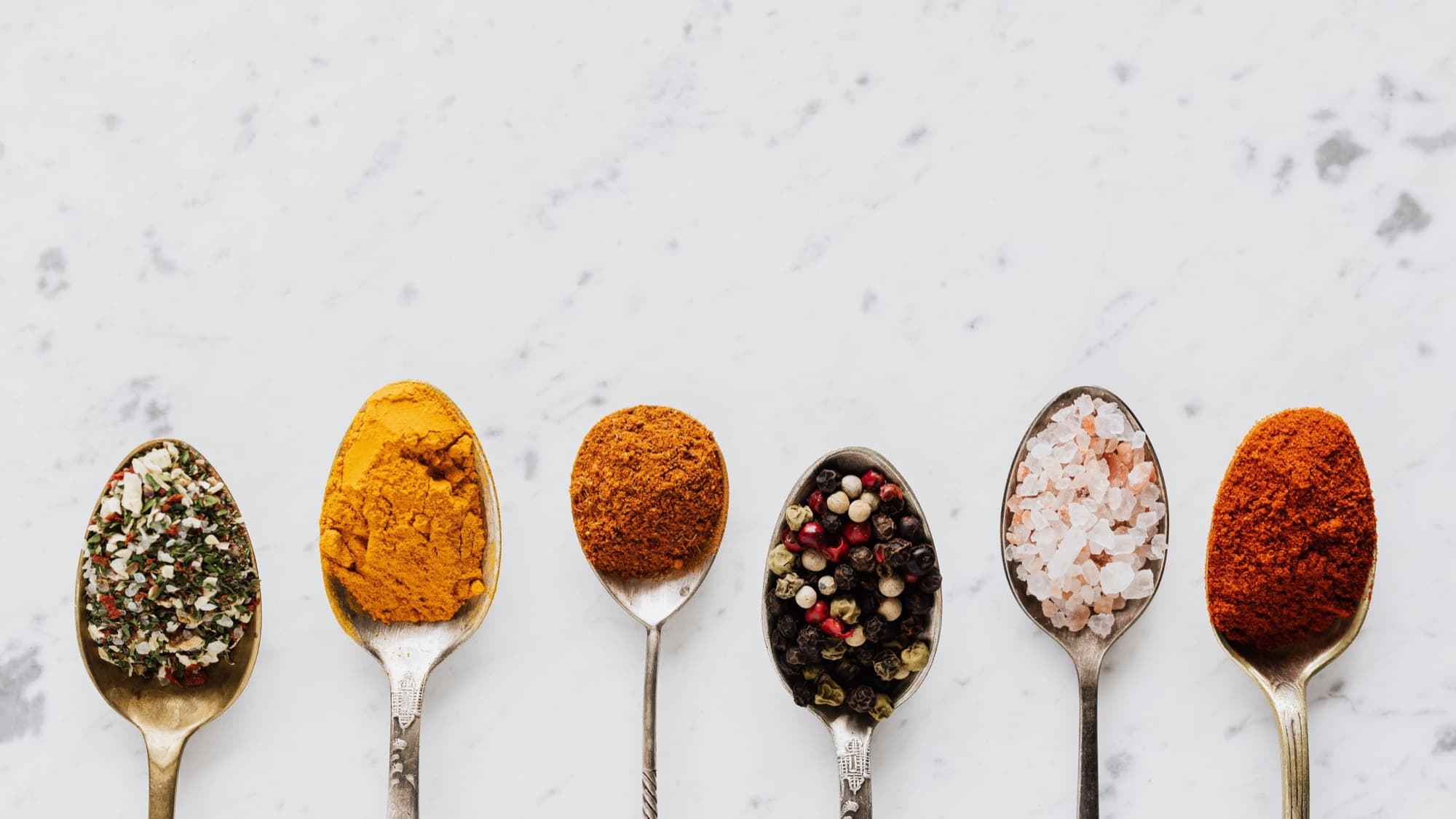
Basics
Dried herb cooking basics
Dried herbs are a simple way to keep the flavour of your garden going long after harvest. They are more concentrated than fresh herbs and work best when added in a way that gives them time to release their flavour.
Use less than you would fresh
Dried herbs are more concentrated, so a little goes a long way. Start with a small amount and add more if needed.
Add them earlier in cooking
Dried herbs need time to soften and release their flavour. Add them earlier in the cooking process, especially in soups, sauces, stews, and roasted dishes.
Crush them to wake up the flavour
Rubbing dried herbs lightly between your fingers before adding them can help release more aroma and flavour.
Use them in warm, savoury dishes
Dried herbs work especially well in soups, sauces, marinades, roasted vegetables, meats, beans, grain dishes, and spice blends.
Taste and adjust as you go
Dried herbs build flavour over time. Start small, let the dish cook, then taste and adjust before adding more.
Recipes
Recipes
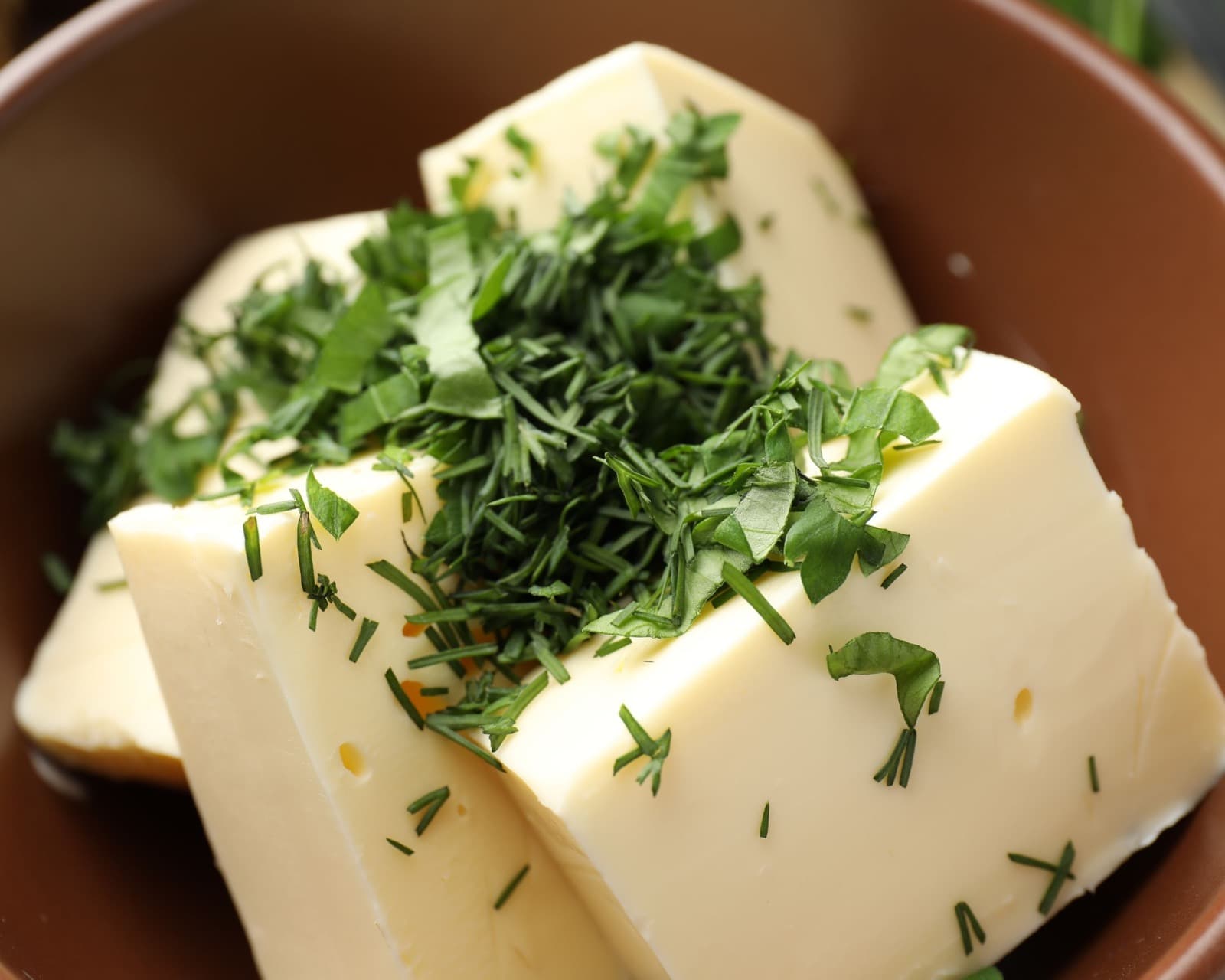
Fresh herb recipes
Fresh Herb Butter
Ingredients
- ½ cup butter, softened
- 1 tbsp fresh Genovese basil, chopped
- 1 tbsp fresh Italian parsley, chopped
- 1 tsp fresh English thyme leaves
- 1 tsp fresh Greek oregano, chopped
Directions
Mix the chopped herbs into the softened butter until well combined. Spoon into a small jar, or roll into a log using parchment paper.
How to use
Spread on fresh bread, melt over roasted vegetables, finish grilled meat or fish, or stir into pasta or rice.
Keep in the fridge for up to 1 week or freeze for up to 3 months.
Fresh herb recipes
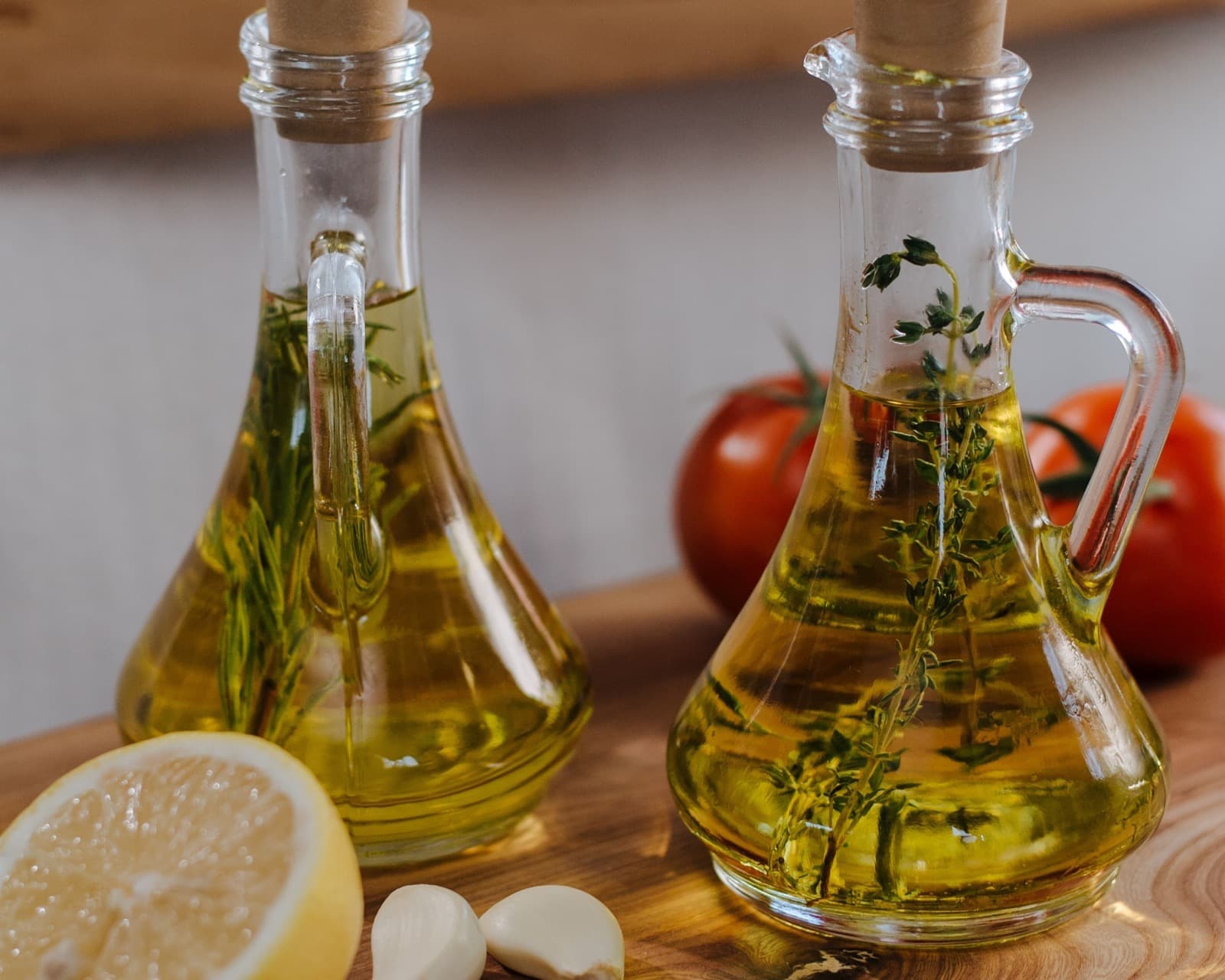
Herb-Infused Oil
Ingredients
- 1 cup extra-virgin olive oil
- 1 tbsp fresh Genovese basil, finely chopped
- 1 tbsp fresh Italian parsley, finely chopped
- ½ tbsp fresh English thyme, finely chopped
- ½ tbsp fresh Greek oregano, finely chopped
- 1 small garlic clove, thinly sliced (optional)
Directions
Sterilize a clean glass jar/bottle. Let the herbs sit on the counter for a couple of hours to reduce surface moisture. Finely chop the herbs and garlic, and warm them gently in the olive oil over very low heat for 5–10 minutes. Do not let it boil. Let cool completely, then strain into a sterilized bottle.
How to use
Drizzle over roasted vegetables, pasta, and bread, or use in marinades, dipping oils, and homemade dressings.
Store it in the fridge and use within 2–3 days. For longer storage, freeze in small portions in ice cube trays.
Fresh herb recipes
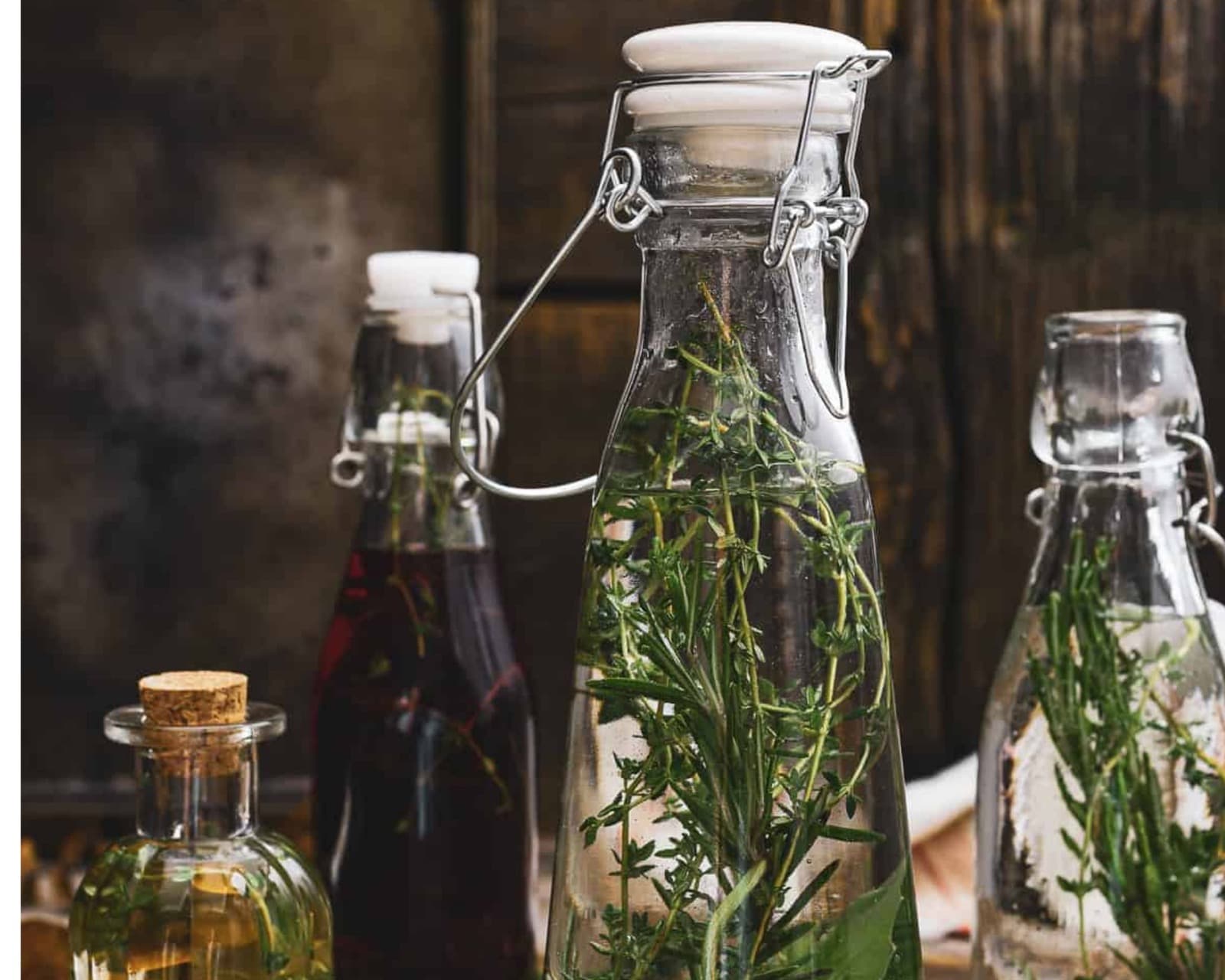
Herb-Infused Vinegar
Ingredients
- 1 cup white wine vinegar or apple cider vinegar
- 1 tbsp fresh Genovese basil, roughly chopped
- 1 tbsp fresh Italian parsley, roughly chopped
- ½ tbsp fresh English thyme leaves
- ½ tbsp fresh Greek oregano leaves
- 1 small garlic clove, lightly crushed (optional)
Directions
Sterilize a clean glass jar/bottle. Lightly bruise or chop the herbs to help release their aroma, then place them in the jar with the garlic. Pour the vinegar over top, making sure everything is fully covered. Seal and let infuse in a cool, dark place for 1–2 weeks, giving it a gentle shake now and then. Strain when the flavour is to your liking.
How to use
Use in salad dressings, marinades, roasted vegetables, sauces, or dips.
Keep in a cool, dark place. For best flavour, use within 3 months.
Dried herb recipes
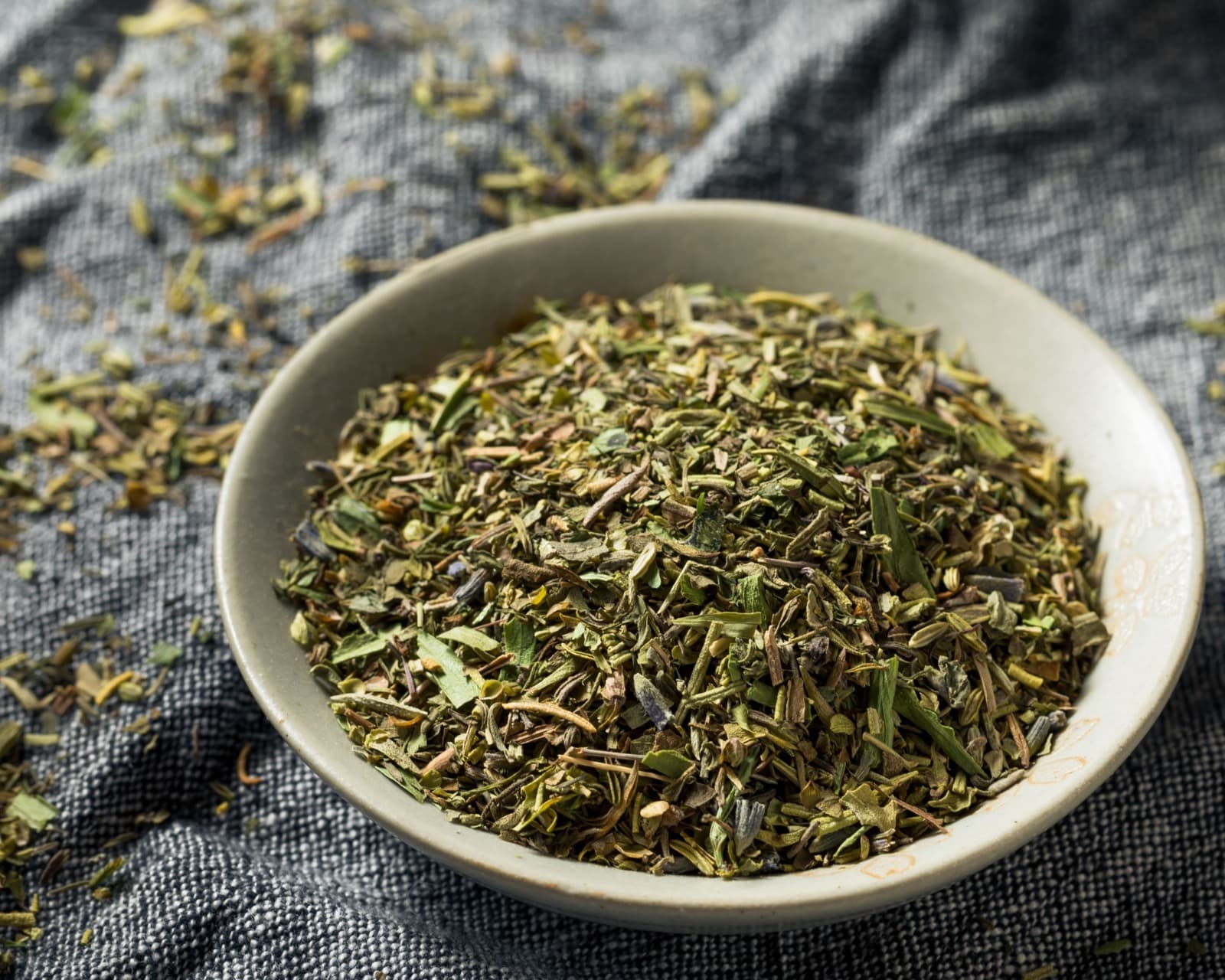
Kitchen Herb Blend
Ingredients
- 2 tbsp dried Genovese basil
- 2 tbsp dried Italian parsley
- 1 tbsp dried English thyme
- 1 tbsp dried Greek oregano
Directions
Make sure the herbs are fully dried. Lightly crush them between your fingers or with a mortar and pestle to release their aroma, then mix together and store in a sealed jar.
How to use
Add to stocks, soups, stews, roasted vegetables, pasta sauces, marinades, salad dressings, or savoury breads and biscuits. It also works well in infused oils during the winter. Dried herbs are more concentrated than fresh, so start with a small amount and adjust to taste.
Store in a sealed jar in a cool, dry, dark place. For the best flavour, try to use within 6–12 months.
Dried herb recipes
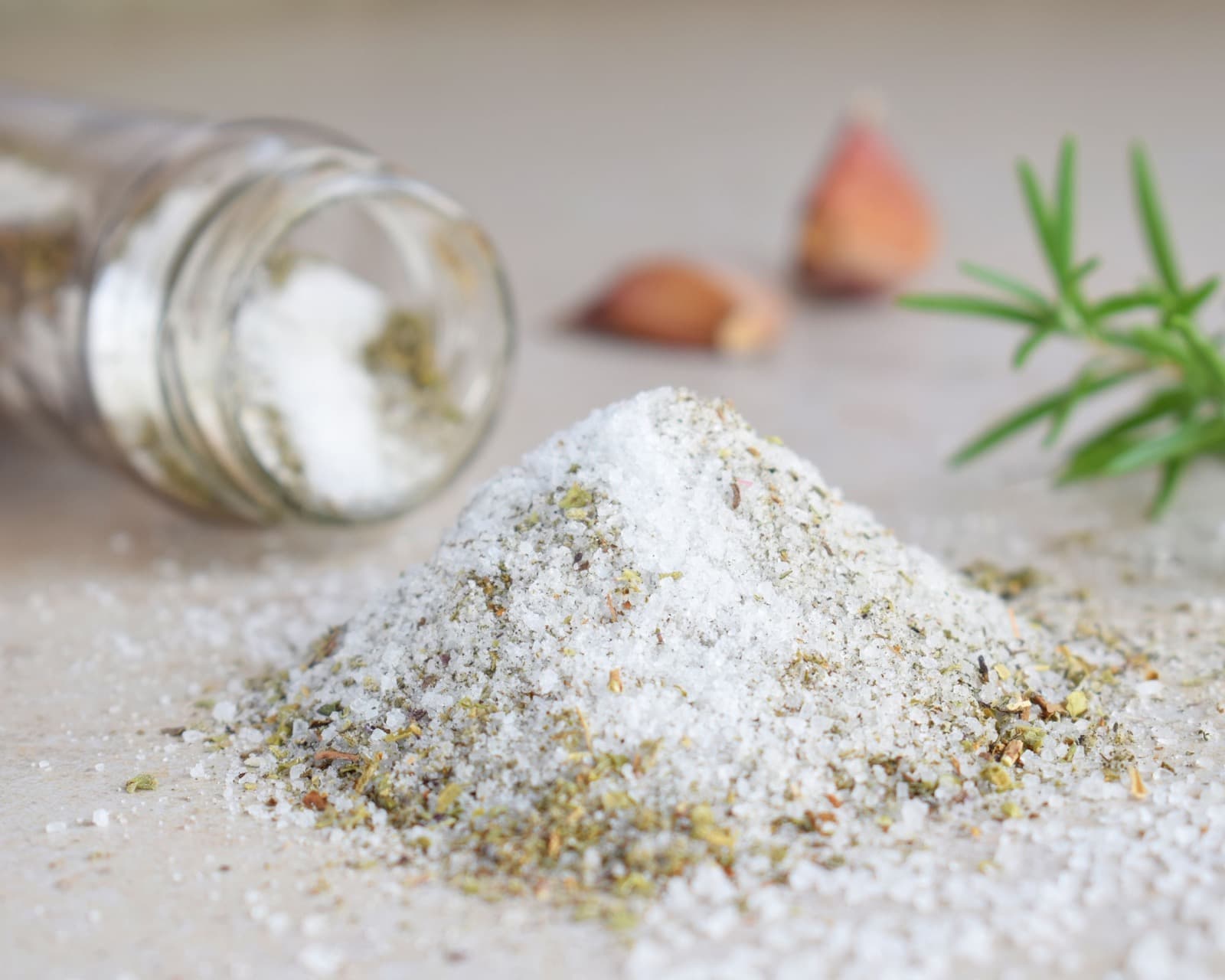
Herbed Salt
Ingredients
- 2 tbsp dried Genovese basil
- 2 tbsp dried Italian parsley
- 1 tbsp dried English thyme
- 1 tbsp dried Greek oregano
- ½ cup good-quality sea salt
Directions
Make sure the herbs are fully dried. Crush the herbs finely using your hands or a mortar and pestle. Mix with the salt until evenly combined, then store in a sealed jar. Let the mixtures sit for a day or two before using so the flavours can settle in.
How to use
Use before cooking to season roasted vegetables, meat rubs, and marinades. It also makes a wonderful finishing salt for eggs, fresh tomatoes, potatoes, and other savoury dishes.
Store in a sealed jar in a cool, dry place. For the best flavour, try to use within 6–12 months.
Fresh herb recipes
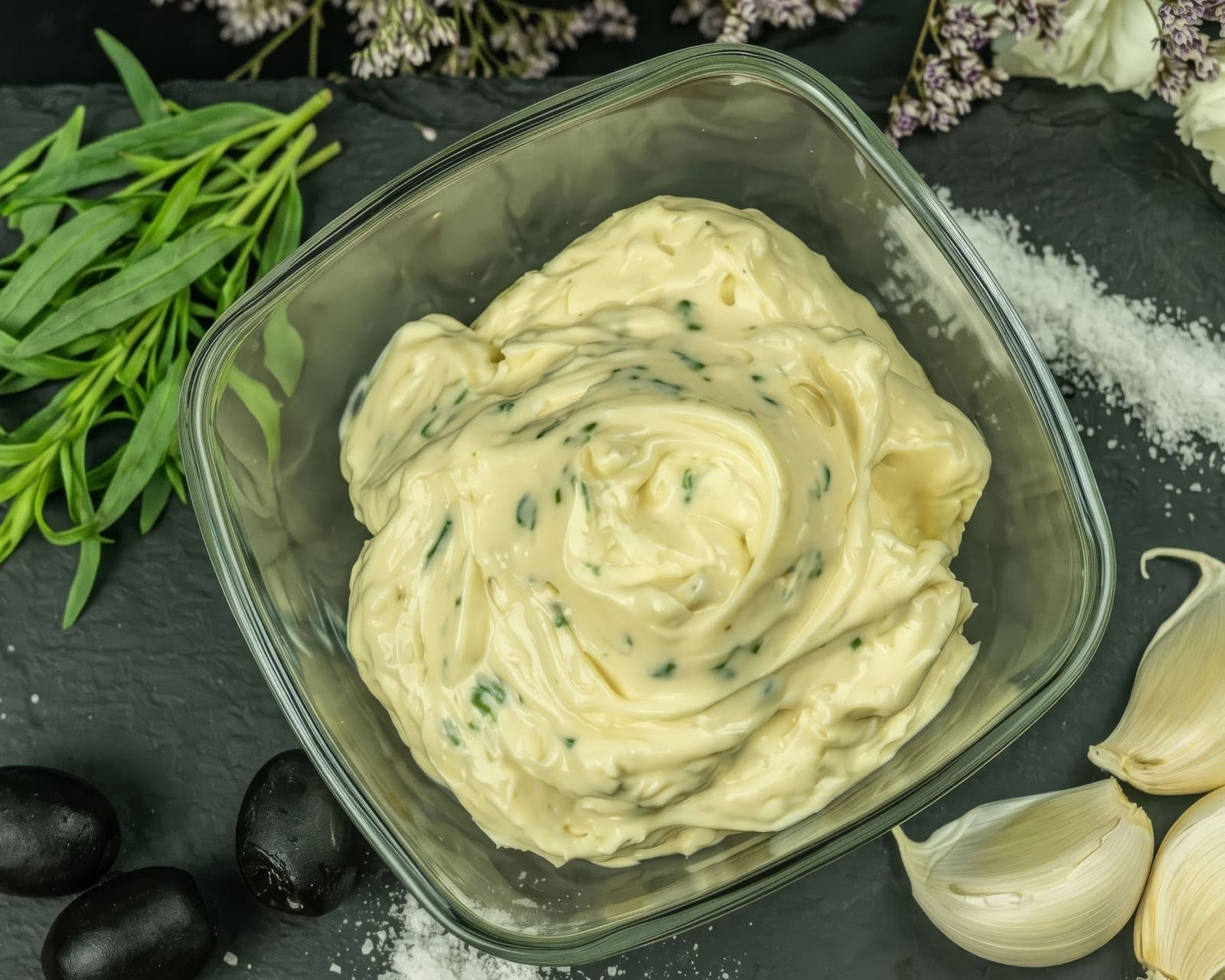
Tarragon Aioli
Ingredients
- ½ cup mayonnaise
- 1 tbsp fresh French tarragon, finely chopped
- ½ small garlic clove, finely grated
- 1 tsp Dijon mustard
- 1 tsp lemon juice
- Pinch of salt
- Freshly ground black pepper, to taste
Directions
In a small bowl, mix the mayonnaise, tarragon, garlic, Dijon, and lemon juice until smooth and well combined. Season with a small pinch of salt and a few grinds of black pepper. Let it sit for 10–15 minutes before using, if possible, so the flavours have time to come together.
How to use
Spread on sandwiches or burgers, spoon alongside roasted potatoes or vegetables, or serve with fish, chicken, or fries as a simple dipping sauce.
Keep in a sealed container in the fridge and use within 3–4 days.
Fresh herb recipes
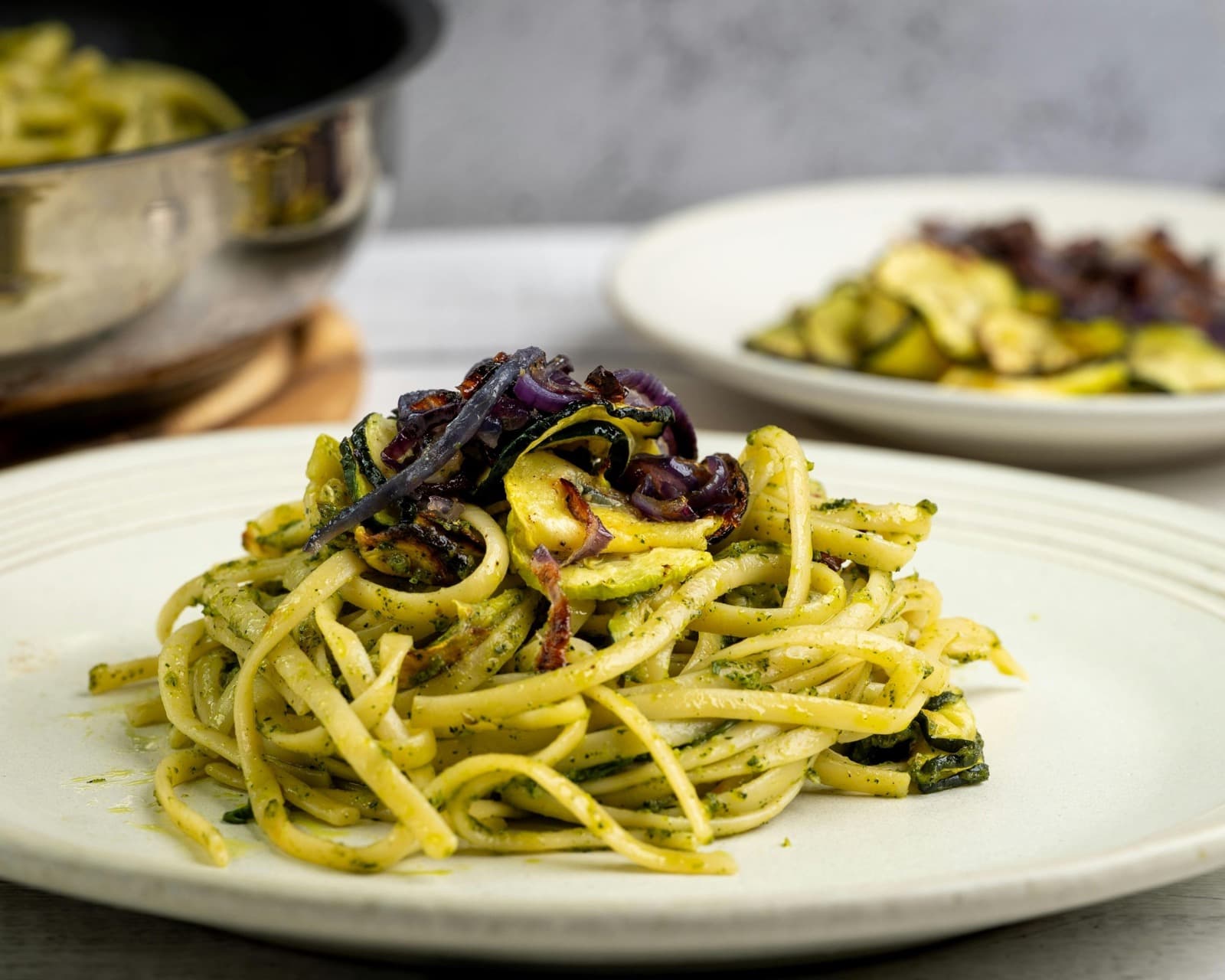
Marjoram and Walnut “White Pesto”
Ingredients
- 1 cup fresh sweet marjoram leaves and tender stems
- ⅓ cup walnuts, lightly toasted
- ¼ cup grated Parmesan
- 1 small garlic clove
- ⅓ cup extra-virgin olive oil
- 1 tsp lemon juice
- Pinch of salt
- Freshly ground black pepper, to taste
Directions
Add the marjoram, walnuts, Parmesan, and garlic to a food processor and pulse until finely chopped. With the machine running, slowly drizzle in the olive oil until the mixture becomes smooth but still has a little texture. Add the lemon juice, then season with a pinch of salt and a few grinds of black pepper. Taste and adjust if needed.
How to use
Toss with warm pasta, spoon onto grilled chicken or fish, spread on sandwiches, or serve alongside roasted vegetables, beans, or crusty bread.
Store in a sealed container in the fridge for up to 3 days. To help keep it fresh, smooth a thin layer of olive oil over the top before refrigerating.
Fresh herb recipes
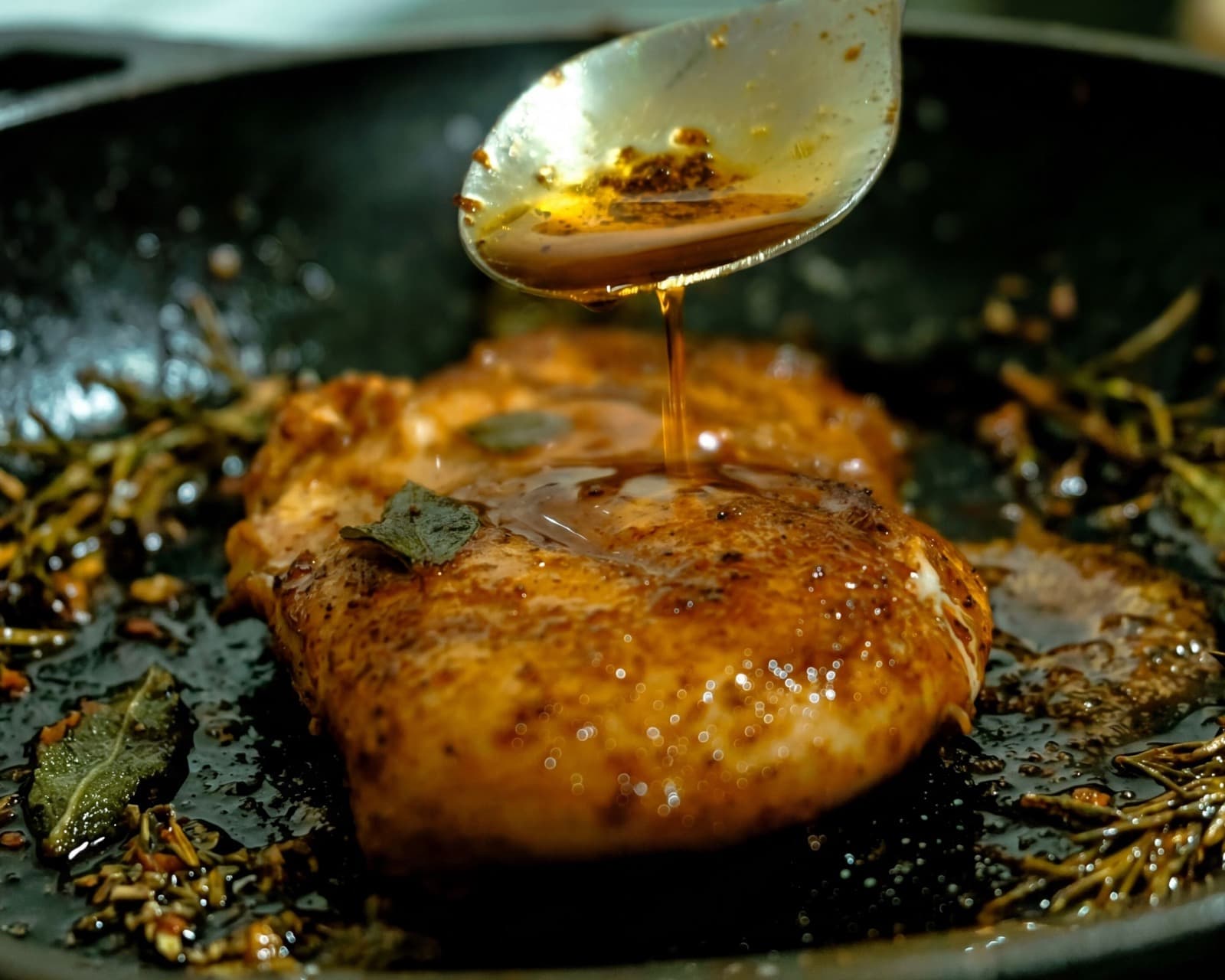
Rosemary Sage Brown Butter
Ingredients
- ½ cup unsalted butter
- 1 tbsp fresh garden sage, finely chopped
- 1 tsp fresh rosemary, finely chopped
- Pinch of salt
- Freshly ground black pepper, to taste
Directions
Melt the butter in a small saucepan over medium-low heat. Continue cooking, stirring often, until it begins to foam and the milk solids turn golden brown and smell nutty. Add the sage and rosemary and cook for about 30 seconds more, just until fragrant. Remove from the heat and season with a small pinch of salt and a few grinds of black pepper.
How to use
Spoon over roasted squash, potatoes, pasta, gnocchi, grilled chicken, or sautéed mushrooms. It also works beautifully as a finishing sauce for white beans or warm grain dishes.
Best used right away while warm. Leftovers can be cooled and stored in the fridge for up to 3 days, then gently reheated before serving.
Dried herb recipes
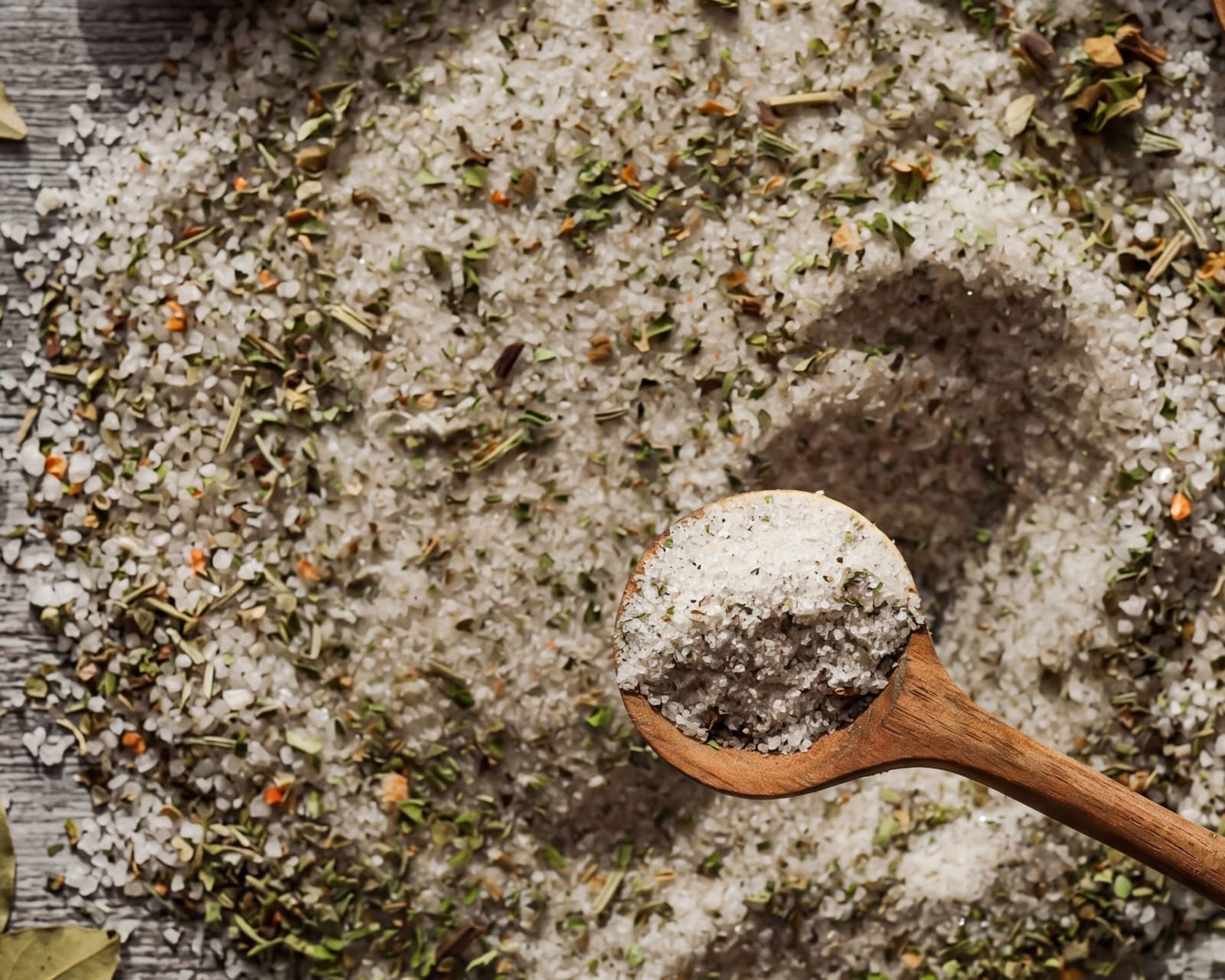
Rosemary Sage Salt
Ingredients
- 2 tbsp dried rosemary, finely crushed
- 2 tbsp dried garden sage, finely crushed
- 1 tbsp dried sweet marjoram
- 1 tbsp flaky sea salt or fine sea salt
Directions
Make sure the herbs are fully dried. Crush the rosemary and sage using your hands or a mortar and pestle until they are broken down to a fine, even texture. Mix with the marjoram and salt until well combined, then store in a sealed jar. Let the mixture sit for a day or two before using so the flavours can settle together.
How to use
Sprinkle over roasted vegetables, potatoes, chicken, focaccia, beans, or egg dishes. It also works beautifully as a finishing salt for warm savoury foods.
Store in a sealed jar in a cool, dry place. For the best flavour, use within 6–12 months.
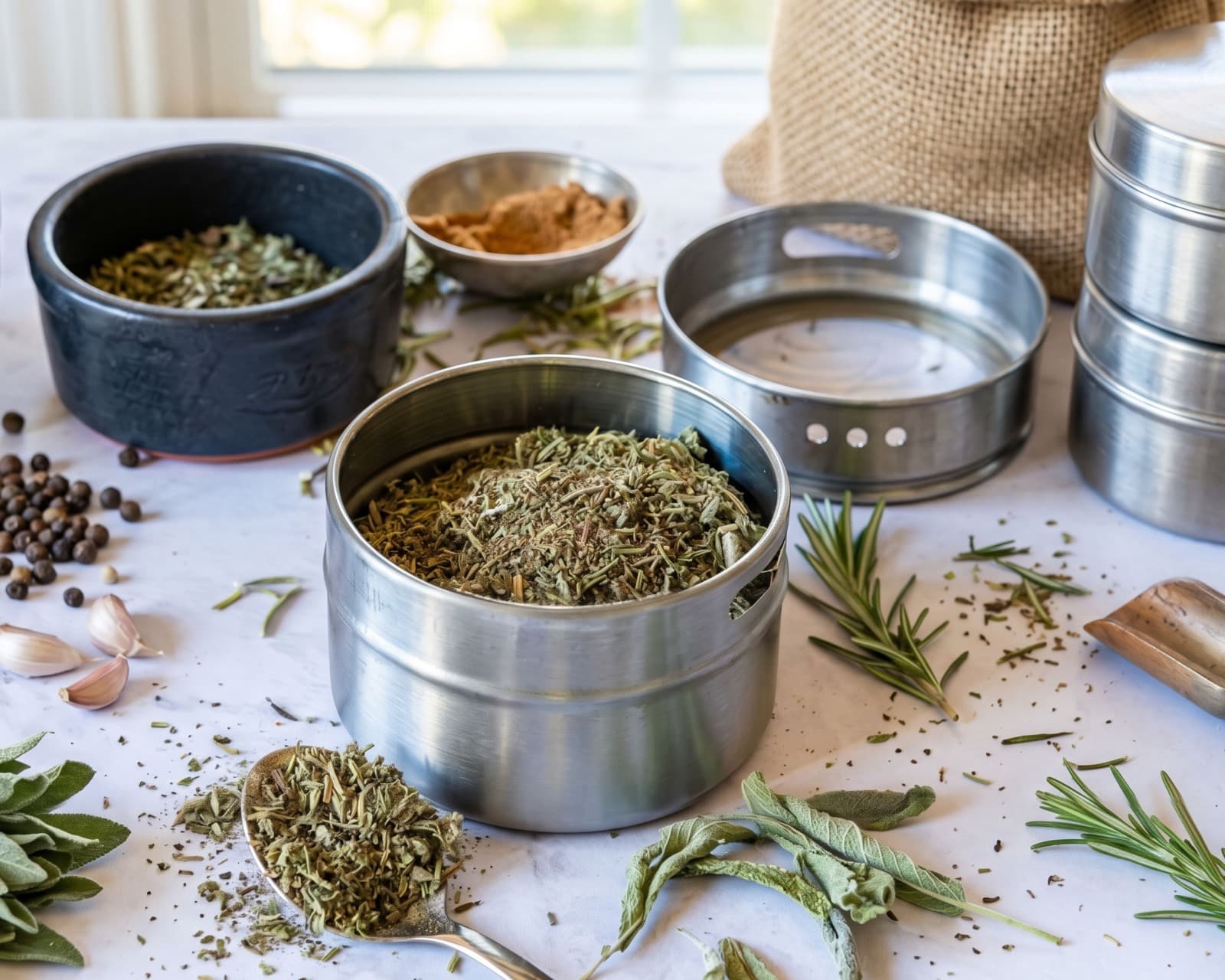
Dried herb recipes
Herb Garden Poultry Seasoning
Ingredients
- 4 tsp dried garden sage
- 2 tsp dried sweet marjoram
- 1½ tsp dried rosemary, finely crushed
- 1 tsp onion powder
- 1 tsp ground black pepper
- ¼ tsp ground nutmeg
Directions
Make sure the herbs are fully dried. Lightly crush the rosemary with your hands or a mortar and pestle so it blends more evenly. Combine all the ingredients in a small bowl or spice grinder and mix until well combined. Grind lightly if you want a finer texture, or leave it a little coarse for a more rustic seasoning.
How to enjoy
Use to season roast chicken, turkey, stuffing, roasted potatoes, root vegetables, or savoury soups and sauces. Start with a small amount and add more to taste.
Store in a sealed jar in a cool, dry, dark place. For the best flavour, use within 6–12 months.
Support
Get in touch
Have a question about your plants?
Our team is always happy to help!
Email us: support@herbwild.com
www.herbwild.com