 All guides
Tea Maker’s Herb Garden
Tea Maker’s Herb Garden
Your complete guide to growing, harvesting, and blending herbs for fresh herbal tea at home.
Start here
Table of contents
01Welcome to your garden02What’s included03Your plants have arrived: now what?04Hardening off05Get to know your herbs06Planting your herb garden07Caring for your herbs08Herb-specific care tips09Harvesting your herbs10Drying & preserving11Blending with fresh herbs12Fresh tea basics13Blending with dried herbs14Dried tea basics15Tea recipes16Get in touch
Welcome
Welcome to your garden!
This collection brings together four fragrant herbs chosen for their flavour, versatility, and ease of growing. Whether you dream of soothing evening blends, refreshing iced teas, or simple everyday cups, these herbs are a beautiful way to bring homegrown herbal tea into your daily life.
Each herb is rewarding to grow and enjoyable to harvest, giving you the simple pleasure of stepping outside to pick fresh ingredients for your next blend.
Herbal tea has a way of turning ordinary moments into rituals, and we hope this collection inspires you to slow down, experiment with flavour, and enjoy the experience of growing and brewing your own herbs at home.
What’s in the box?
What’s included
Your Tea Maker’s Herb Garden collection includes twelve herb plants, grouped into four fragrant tea staples.
Peppermint
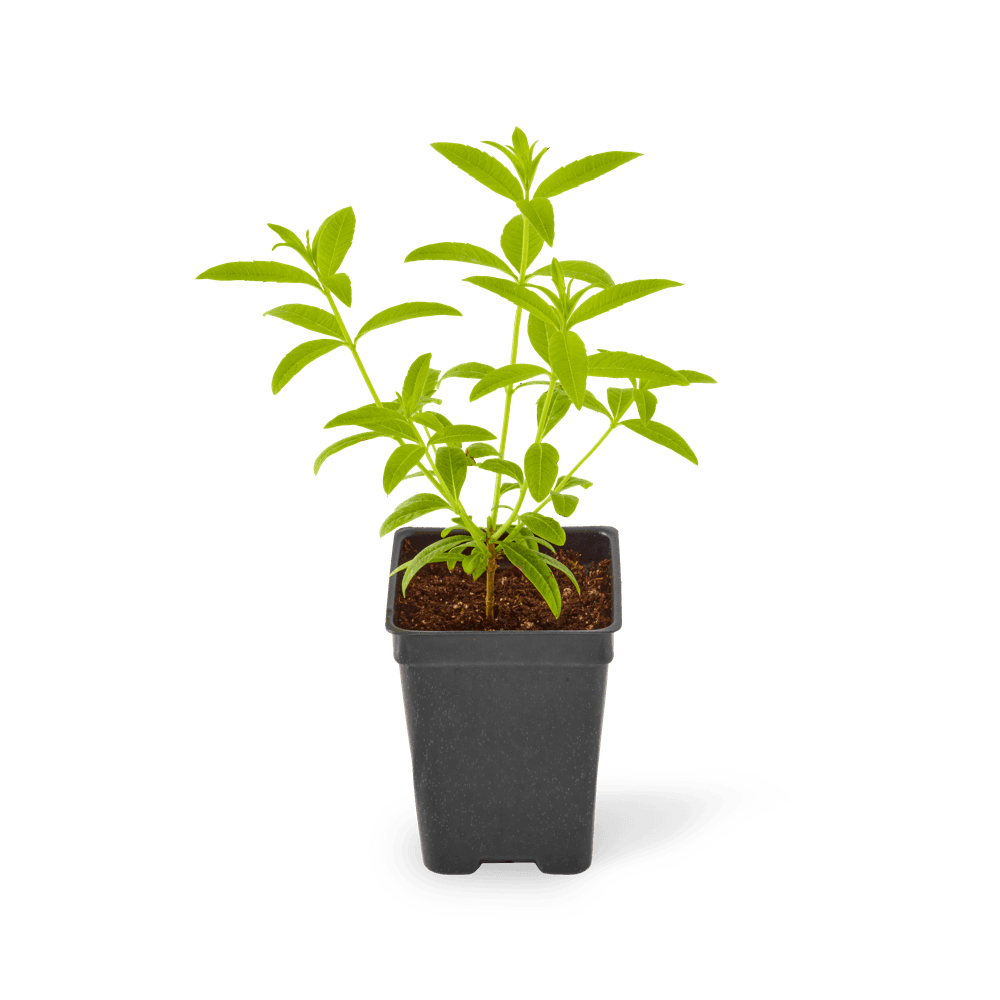
Lemon Verbena
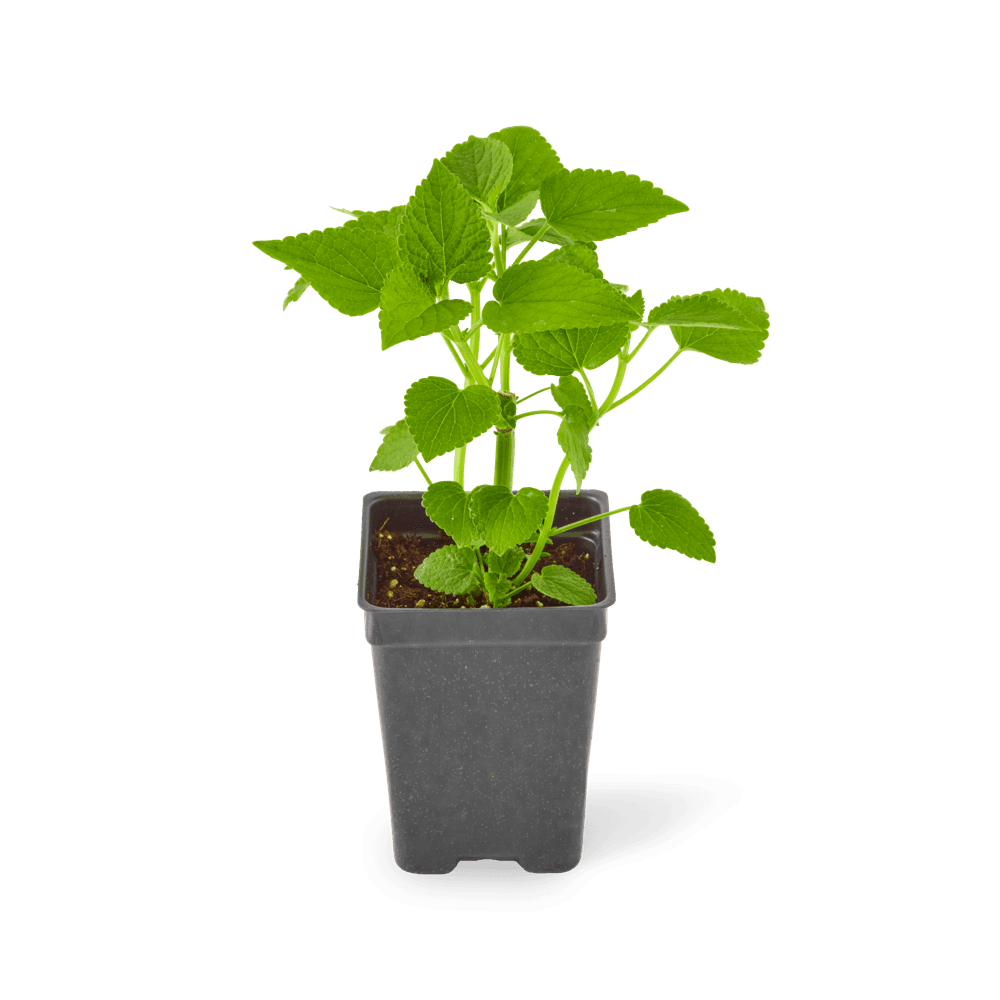
Anise Hyssop
First steps
Your plants have arrived. Now what?
Plant check-up
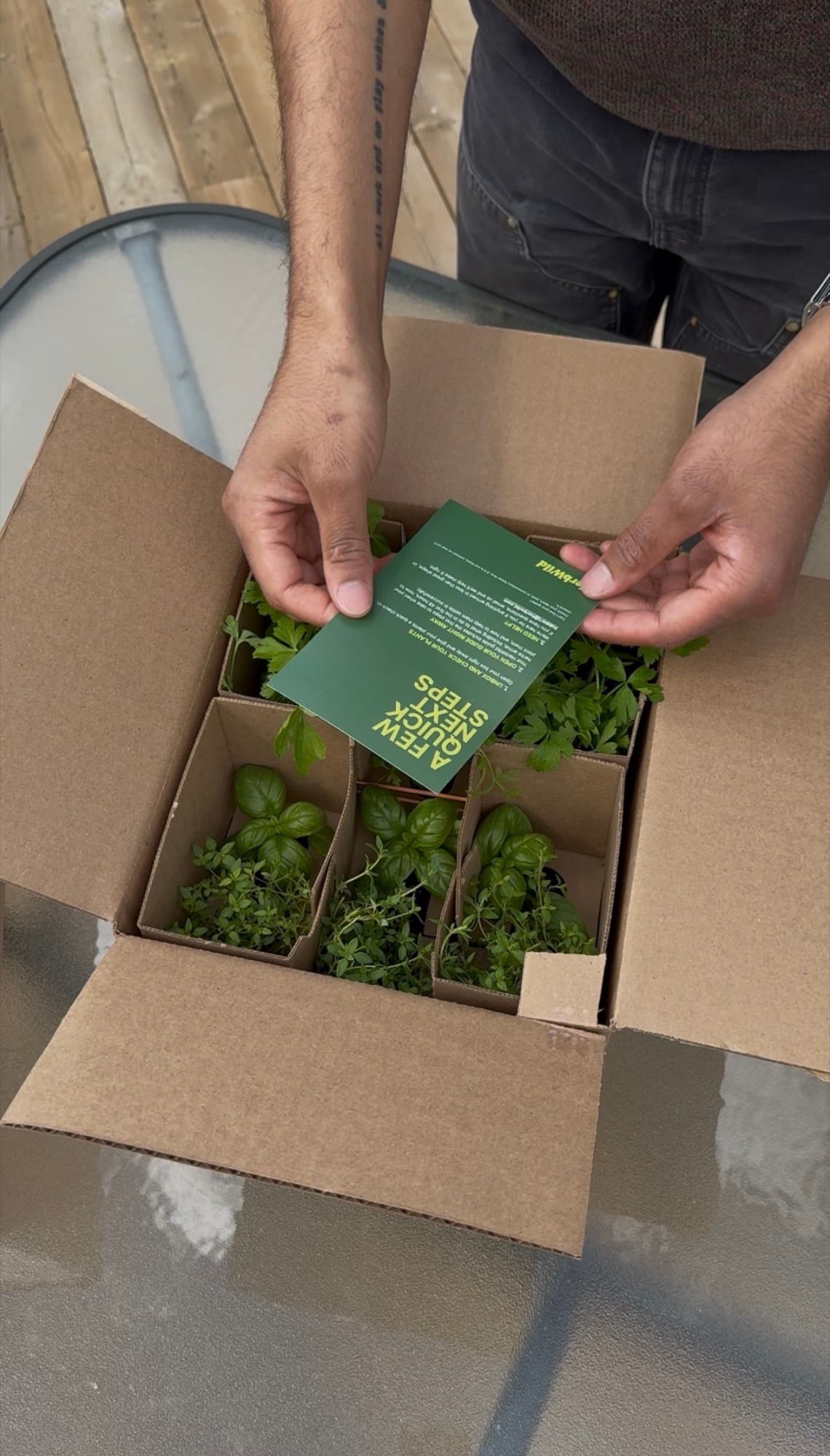
When your plants arrive, remove them from the box right away and take a moment to look them over. Just like us, plants can feel a little stressed after traveling. If anything hasn’t arrived in good condition, please email us within 48 hours at support@herbwild.com so we can help. We want you to succeed, which is why our plants are backed by a 15-day satisfaction guarantee.
Water
Check the soil moisture of each plant with your finger. If the soil feels dry just below the surface, water gently at the base of the plant until the soil is evenly moist and excess water begins to drain from the bottom. Avoid letting the pot sit in standing water.
Hardening off
Help your herbs adjust
Hardening off is the process of gradually helping indoor-raised plants adjust to outdoor conditions like direct sun, wind, and temperature changes.
This helps reduce stress and gives your plants the best chance to settle in and thrive.
Do not place plants in full sun right away. Start by keeping your plants in indirect light near a bright window or outdoors in dappled shade, away from strong winds, for 1–2 days once the risk of frost has passed. Gradually introduce them to brighter sunlight over the next few days.

Meet the plants
Get to know your herbs
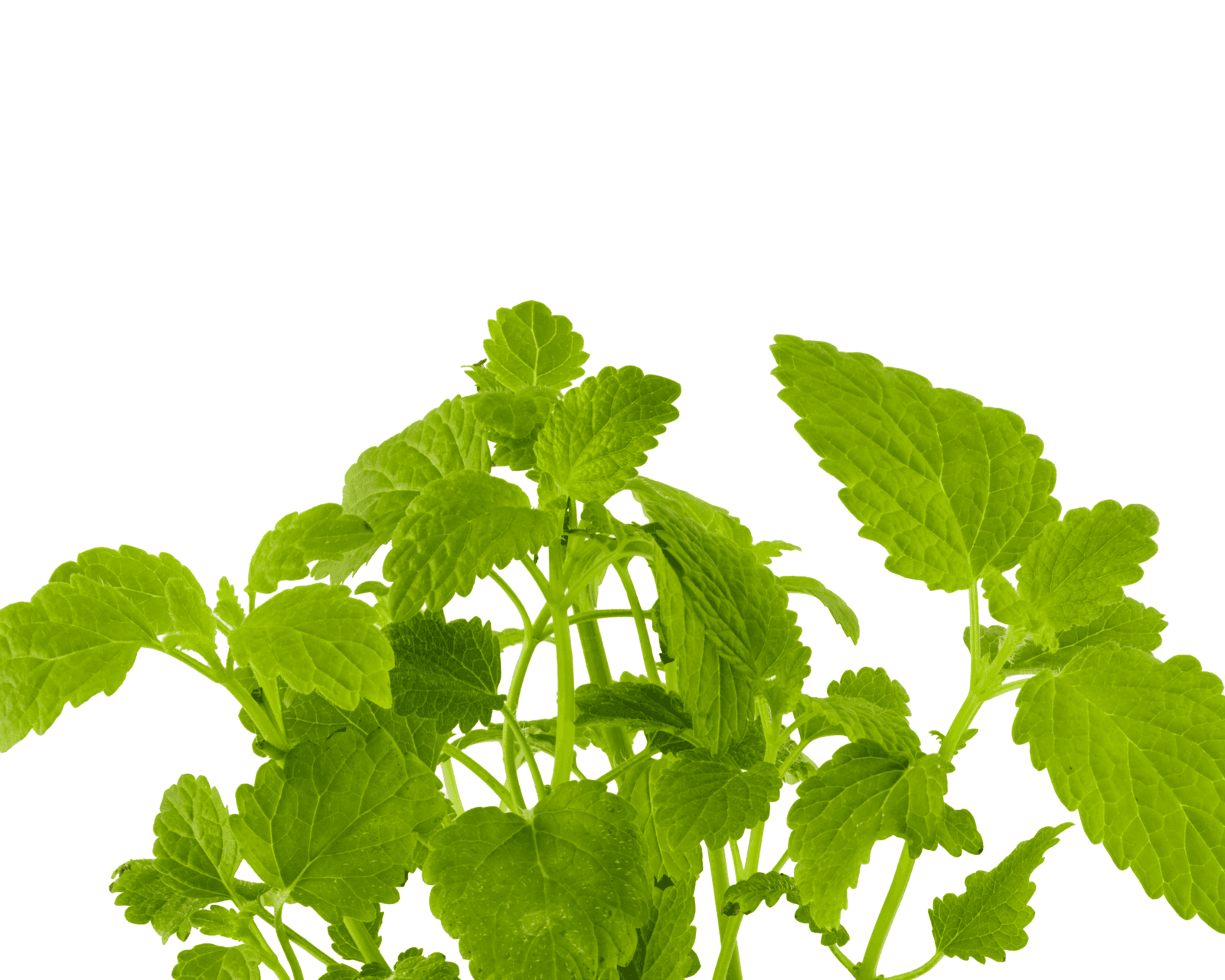
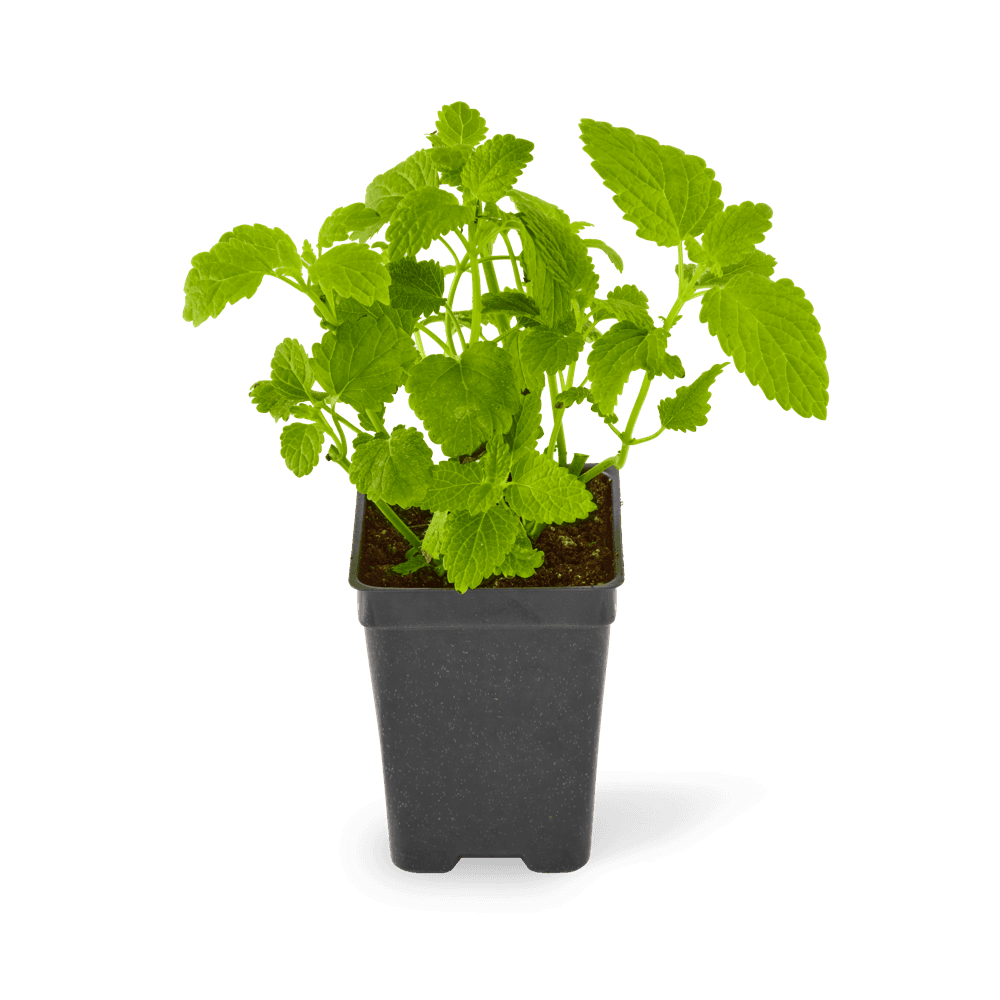
Lemon Balm
What it’s like
A soft, leafy herb with a bright lemony scent and a gentle, calming, softly uplifting character. Lemon balm grows quickly, harvests generously, and brings a fresh, easygoing energy to the garden.
In your cup
A lovely herb for everyday tea, gentle wellness blends, and light citrusy infusions. It is especially nice in calming cups and also works beautifully added to iced water for a fresh lemony aroma.
Beginner tip
Harvest before flowering for the best flavour and aroma, and pick in the morning after the dew has dried for the strongest oils.
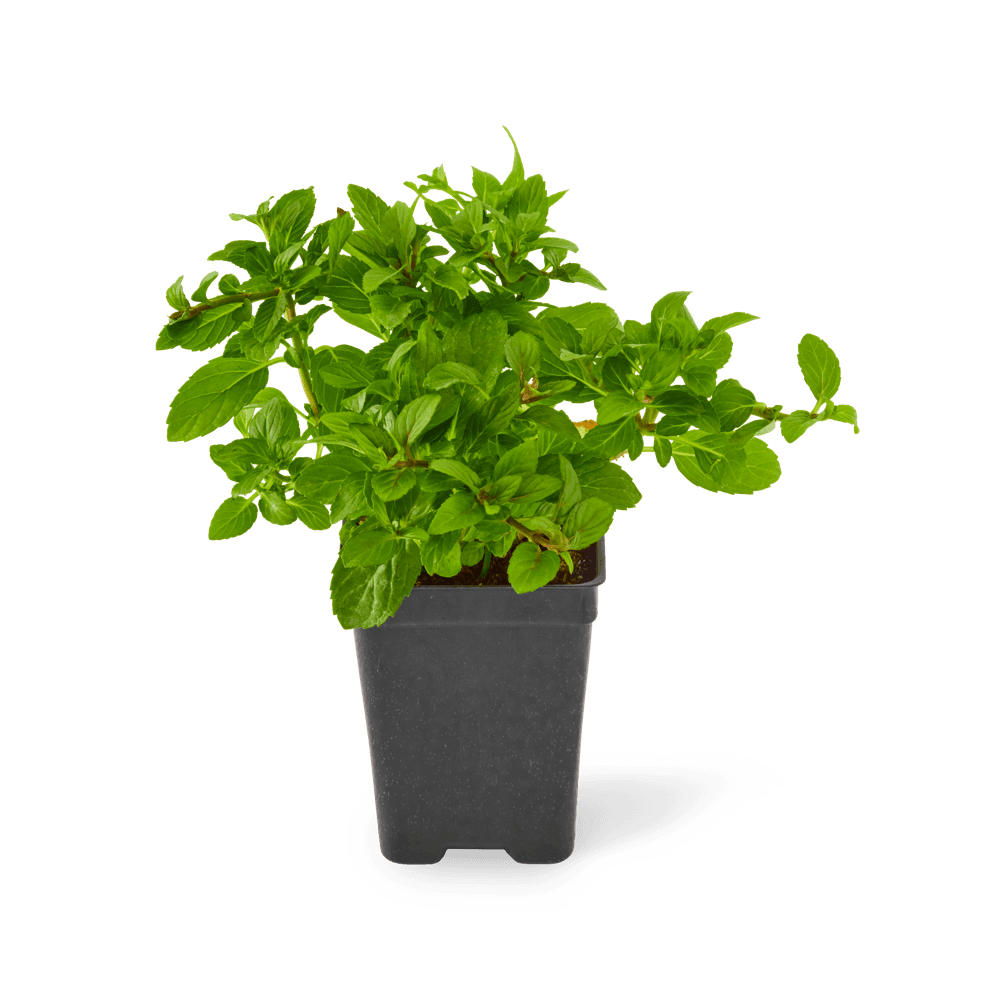
Peppermint
What it’s like
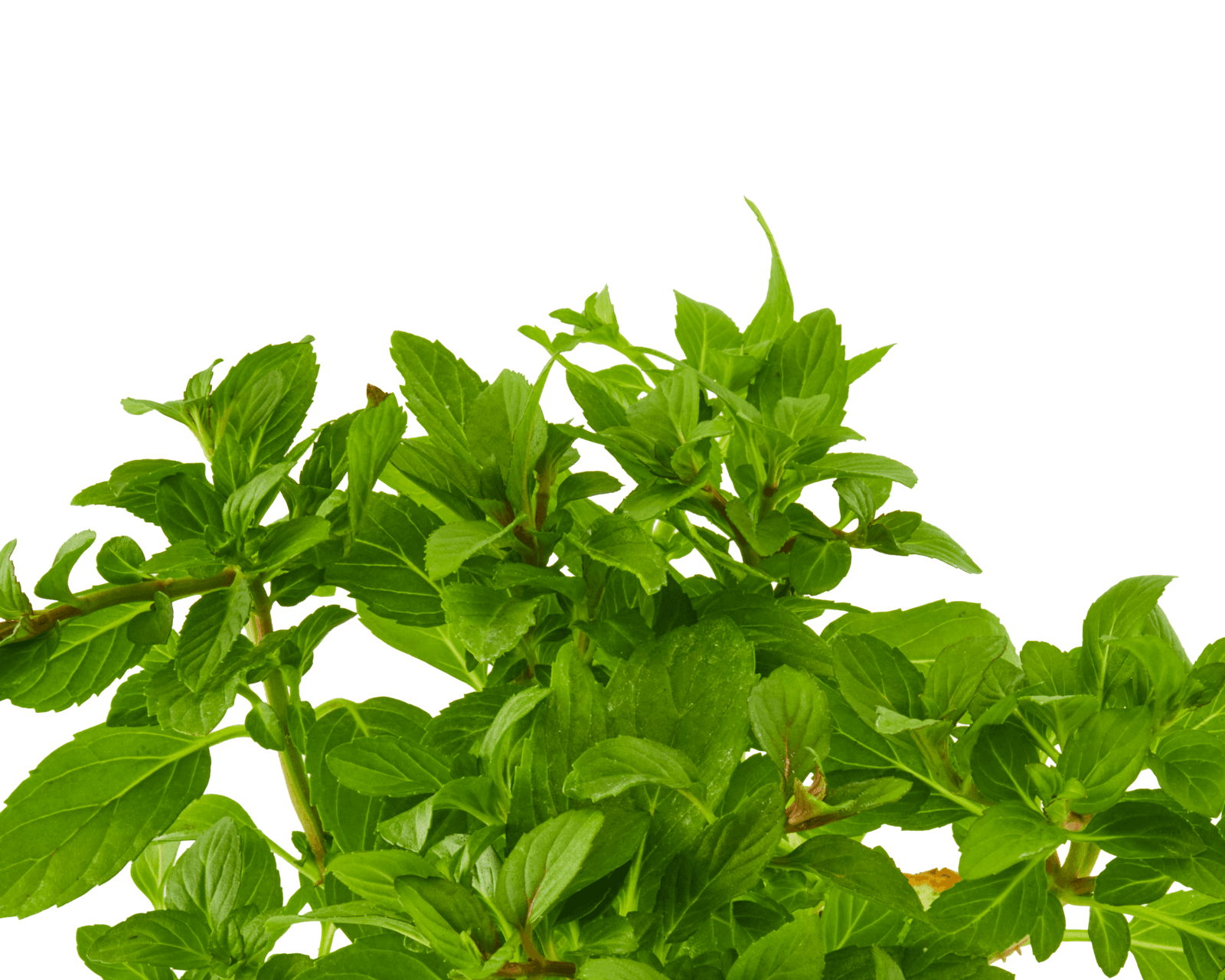
A vigorous, fragrant herb with cooling menthol notes and lush green growth. Peppermint grows quickly and spreads easily, so it is best grown in a pot or contained bed. Regular harvesting keeps it productive and full of fresh, bright flavour for tea.
In your cup
A classic for everyday tea, soothing herbal blends, and refreshing drinks. It is also great for herbal ice cubes and simple syrups for sparkling water, mocktails, or cocktails.
Beginner tip
Grow peppermint in a pot or contained space, since it spreads very quickly. Harvest often for the best flavour and tender leaves, and cut back regularly to keep it bushy and productive.
Lemon Verbena
What it’s like
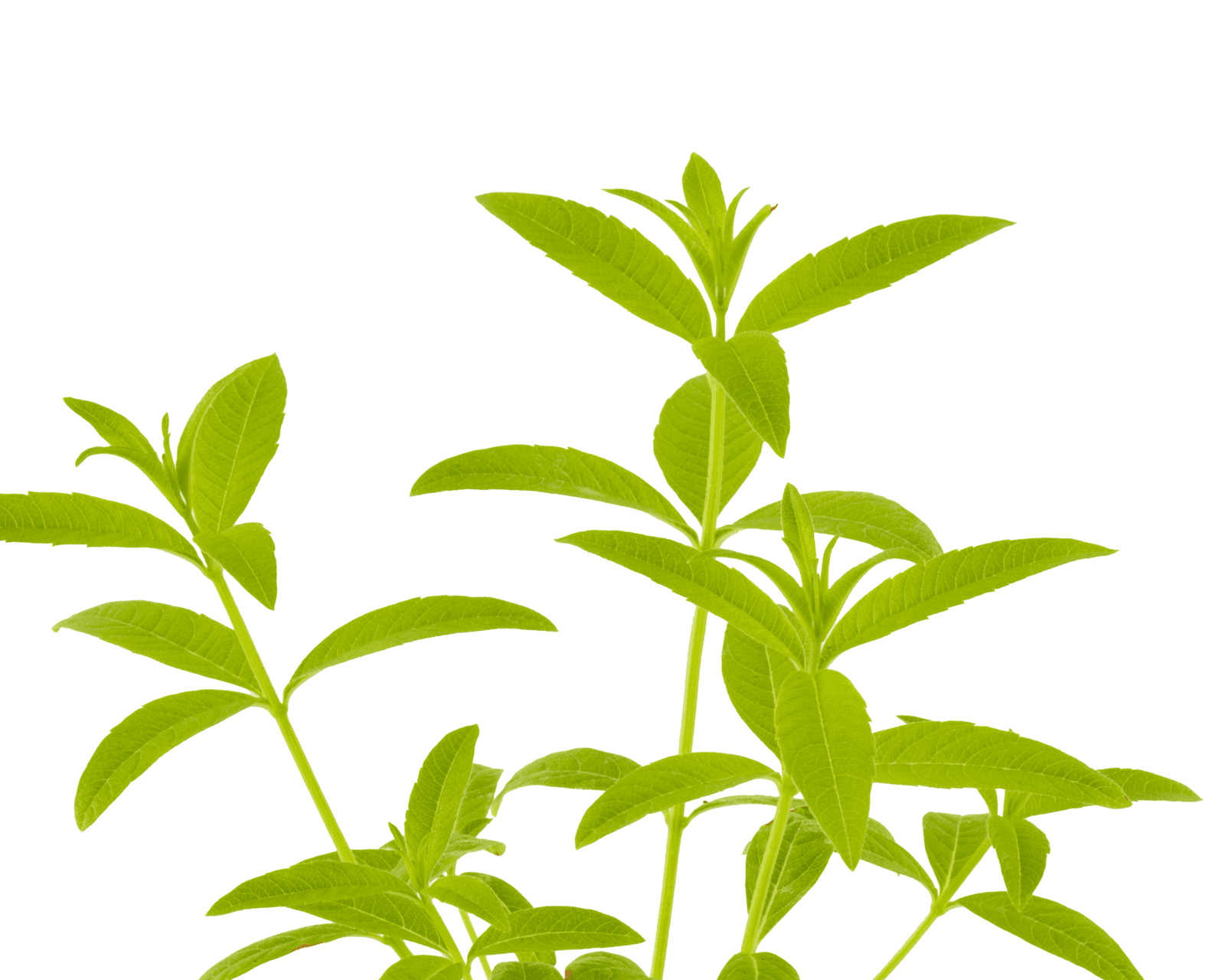
A fragrant herb with slender leaves and an intensely bright citrus aroma. Lemon verbena loves warmth and sunlight and rewards the gardener with beautifully flavoured leaves for tea.
In your cup
Excellent for everyday tea, gentle wellness blends, and bright citrusy infusions. It also makes a beautiful infused honey, adding a soft lemony sweetness to tea and other drinks.
Beginner tip
Grow in full sun and warmth for the best flavour, and harvest regularly to encourage fresh, tender growth. Protect it from the cold since it is not frost hardy.
Anise Hyssop
What it’s like
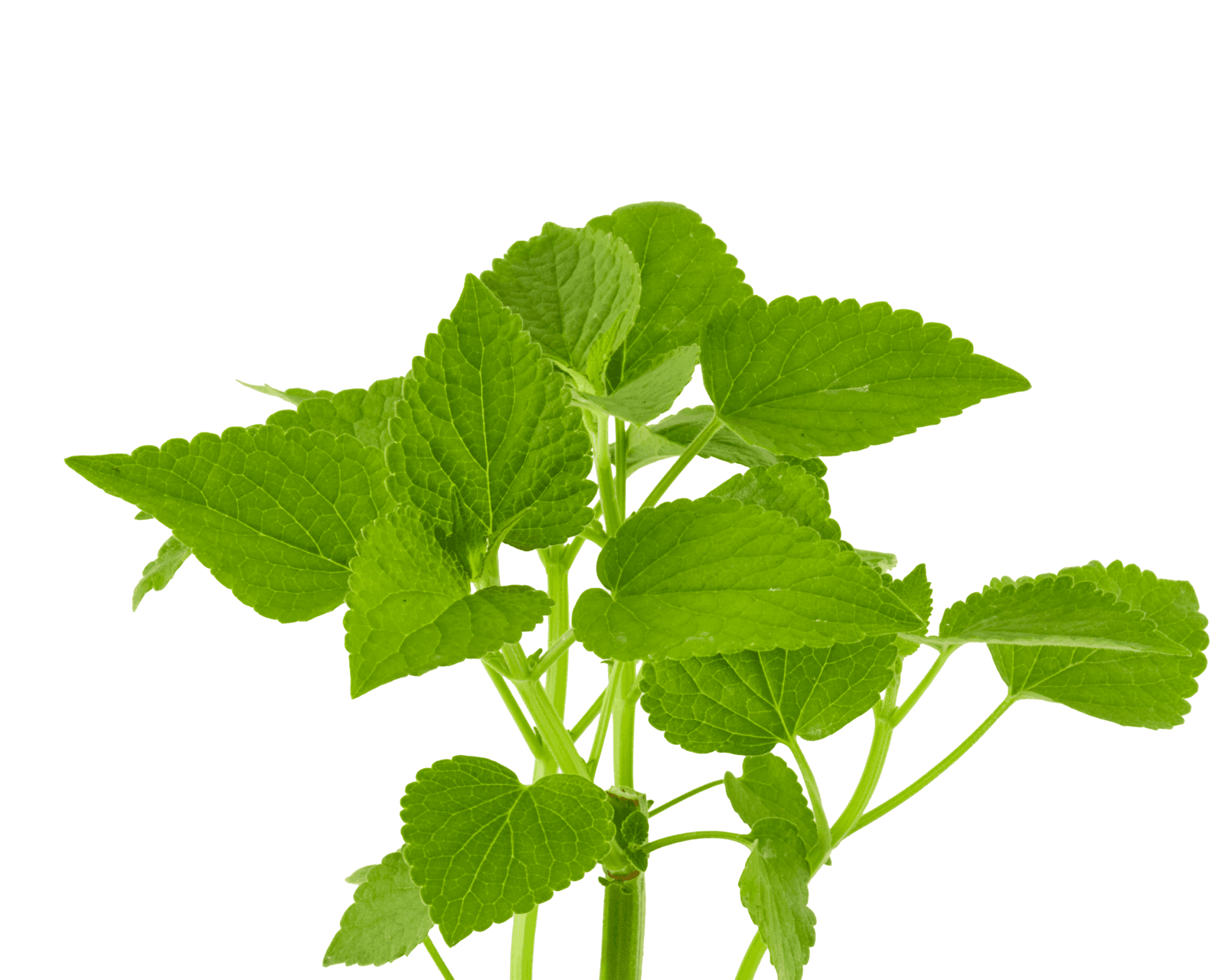
An aromatic herb with soft green leaves and a naturally sweet scent of licorice and mint. Anise hyssop adds beauty and unique flavour to the garden.
In your cup
A wonderful herb for everyday tea, gentle wellness blends, and lightly sweet, aromatic infusions. Its licorice-mint flavour also works beautifully as a mild smoothie base with fruits like berries, pear, apple, or peach.
Beginner tip
Harvest regularly to keep the leaves tender and encourage more growth. Cut back after flowering to keep the plant bushy and productive.
Planting
It’s time to plant your garden
Now that your plants have been hardened off, it’s time to plant them in their final home. Depending on your space and lifestyle, you have a couple of planting options to choose from:
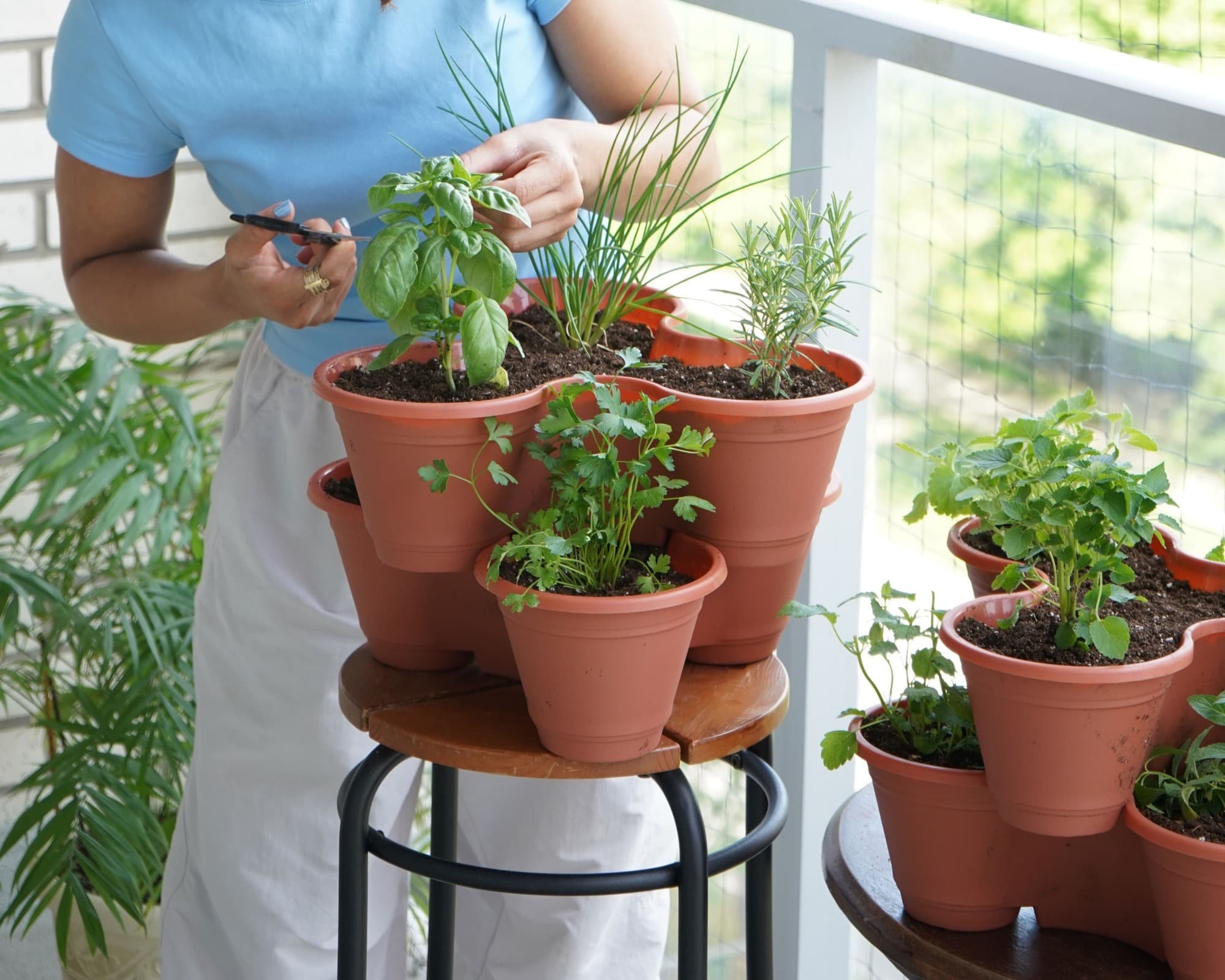
Option 1: Containers
Perfect for patios, balconies, decks, and smaller spaces. Container gardening gives you flexibility and makes it easy to move your herbs where they will grow best.
Option 2: Garden Beds
A great choice if you have outdoor space and want a more established herb garden. Garden beds give your herbs more room to spread, grow, and produce bigger yields.
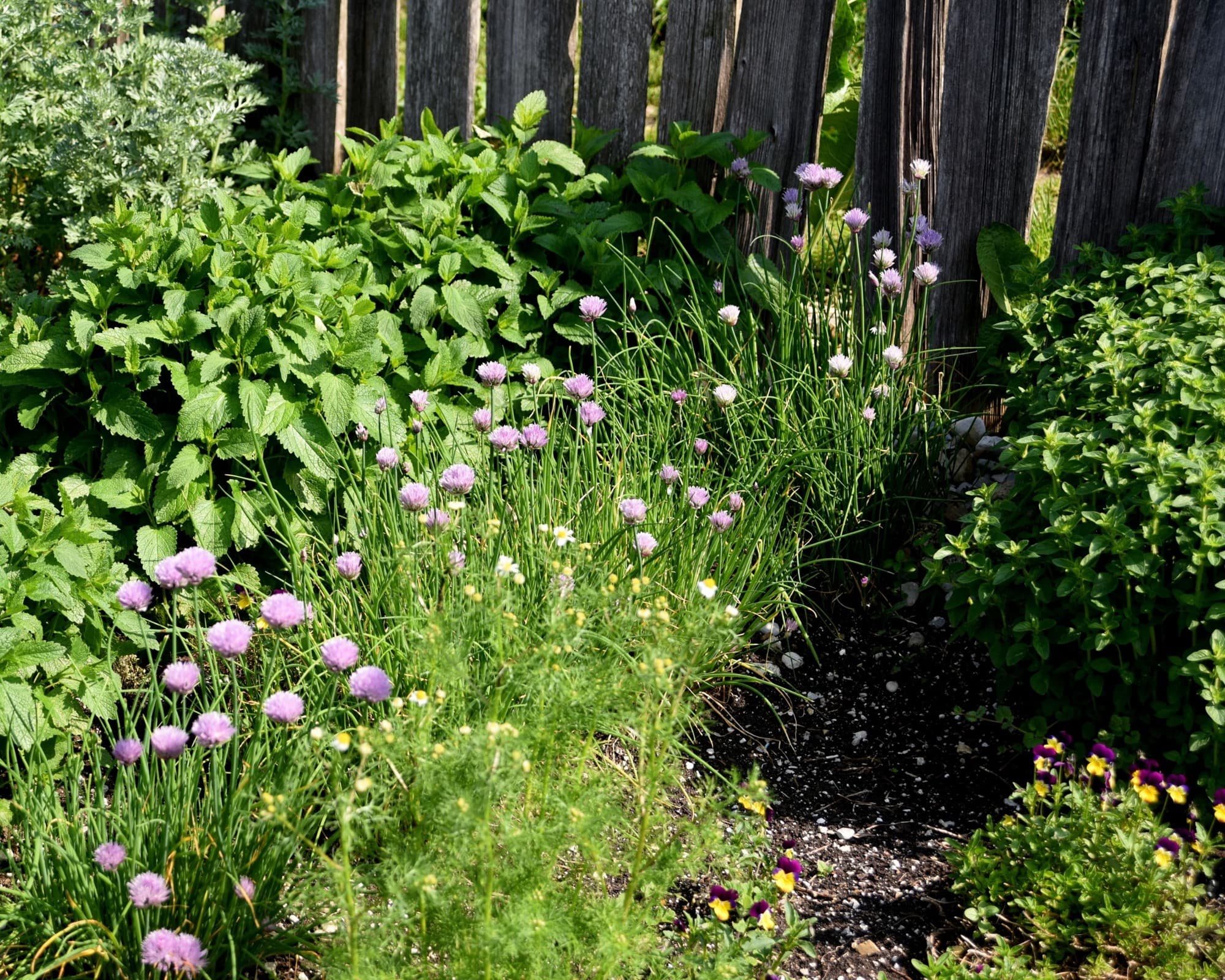
Option 1
Planting in containers
Why containers work well
- Great for patios, balconies, and small spaces.
- Easy to move into sun or shelter.
- Keeps fresh herbs close to the kitchen.
- Easier to manage and keep weed-free.
What you need
- Pots with drainage holes.
- High-quality potting soil for herbs or vegetables.
- Enough space for each plant to grow.
Pot size guide
- 4–6 inch pot for one plant.
- 14–16 inch pot for a group of three.
Where to place your containers
Put your containers in a bright spot that gets at least 6 hours of direct sun per day.
How to plant
- Fill your pot with soil, leaving about 1 inch below the rim.
- Remove the plant from its pot and gently loosen the roots if needed.
- Make a hole large enough for the roots.
- Set the plant in at the same soil level as before.
- Fill in around the roots and press lightly.
- Water thoroughly.
Simple recommended layout
Keep each variety together when planting in containers. Plant one herb per 4–6 inch pot, or plant groups of 3 in 14–16 inch pots. For the full collection, use 4 larger pots or 12 individual pots, and keep them grouped in a sunny spot for easy care and harvesting.
Option 2
Planting in garden beds
Why garden beds work well
- Gives plants more room to spread and grow.
- Can be a more economical option for larger plantings.
- Allows perennial herbs to establish and return year after year.
What you need
- A raised garden bed or in-ground planting area with good drainage.
- Compost to help improve the soil and give your herbs a strong start.
- About 6–8 square feet of space for the full collection.
Spacing guide
- Space plants about 10–12 inches apart.
- Leave enough room between groups to water, weed, and harvest comfortably.
How to prepare the soil
- Loosen the soil gently with a hand trowel so roots can spread easily.
- Remove any weeds from the planting area.
- Mix in some compost to improve the soil and give your herbs a strong start.
Where to place your garden bed
Choose a spot that gets at least 6 hours of direct sun per day and has good drainage.
How to plant
- Loosen the soil in the planting area and remove any weeds.
- Remove the plant from its pot and gently loosen the roots if needed.
- Make a hole large enough for the roots.
- Set the plant in at the same soil level as before.
- Fill in around the roots and press lightly.
- Water thoroughly.
Simple recommended layout
Plant your herbs in 4 groups of 3, keeping each variety together. Place anise hyssop and lemon verbena toward the back or centre of the bed, and place lemon balm and peppermint toward the front or edges. Because peppermint and lemon balm are vigorous spreaders, plant them where they can be more easily managed or contained if needed.
Care rhythm
Caring for your herbs
Fresh herbs do best when you check in on them regularly. A few simple habits — watering, harvesting, trimming, and occasional feeding — will keep your plants healthy, productive, and full of flavour.
Watering
Check your herbs every 2–3 days and water in the morning if needed. Always test the soil first, since overwatering is one of the most common beginner mistakes. Water at the base of the plant, not over the leaves. On very hot, sunny days, check the soil again in the afternoon and top up if needed.
Harvesting and trimming
Harvest your herbs often so you can enjoy them at their freshest. Check them about once a week for light trimming to encourage fresh growth and to keep plants full and productive. Remove any yellowing, damaged, or dried leaves as you notice them. If your herbs become extra full and bushy, do a larger harvest and preserve any excess by drying or freezing.
Feeding
Feed your herbs about once a month by adding an all-purpose fertilizer and following the product directions. If your herbs are planted in rich garden soil with compost, they may need less feeding over time.
Keep an eye out
Each time you water or harvest, take a quick look at your herbs for signs of stress such as wilting, yellow leaves, browning, or slowed growth. Catching small issues early makes them much easier to fix.
Care tips
Herb-specific care tips
Lemon Balm
Watering
Keep the soil lightly and consistently moist, especially in warm weather. Once established, lemon balm is fairly forgiving of short dry periods.
Feeding
Feed lightly once a month with an all-purpose fertilizer, or top-dress with compost. Avoid overfeeding, as this can reduce flavour.
Trimming
Harvest regularly by cutting stems back by up to one-third. This encourages fresh, tender growth. Cut back more firmly if the plant becomes leggy.
Good to know
A hardy perennial that spreads easily in the garden. The leaves have the best flavour before flowering, so a heavier mid-season trim can help refresh growth.
Peppermint
Watering
Keep the soil consistently moist. Peppermint prefers steady moisture and will wilt quickly if allowed to dry out.
Feeding
Feed lightly once a month with an all-purpose fertilizer. Excess feeding is not necessary and can reduce flavour intensity.
Trimming
Harvest frequently by cutting stems back to just above a pair of leaves. Regular cutting encourages dense, fresh growth and helps prevent the plant from becoming leggy.
Good to know
A vigorous perennial that spreads aggressively by underground runners. Best grown in containers or confined garden beds.
Lemon Verbena
Watering
Keep the soil evenly moist but never waterlogged. Let the top layer dry slightly between waterings. Lemon verbena does not like drought stress, especially in containers.
Feeding
Feed once a month with an all-purpose fertilizer.
Trimming
Harvest regularly by cutting soft, leafy stems. Frequent picking encourages bushy growth and better leaf production.
Good to know
A tender perennial that must be overwintered indoors in most Canadian climates. Lemon verbena is often slow to leaf out in spring, so be patient — once active, it grows quickly and rewards you with intensely lemon-scented leaves.
Anise Hyssop
Watering
Water regularly until established, then moderately. Once mature, anise hyssop is quite drought tolerant and prefers not to sit in constantly wet soil.
Feeding
Feed once a month with an all-purpose fertilizer.
Trimming
Harvest leaves and flowering tops regularly to encourage fresh growth. Regular harvesting keeps the leaves tender and productive, and both the leaves and flowers can be used in tea.
Good to know
Anise hyssop likes full sun, good drainage, and regular harvesting. The more consistently you pick it, the more fresh, tender growth it will keep producing.
Harvest
Harvesting herbs
Harvesting your own herbs is one of the simplest and most satisfying parts of growing them. There’s nothing quite like stepping outside to snip a handful of fragrant herbs and bring that just-picked flavour straight into your teacup. Here’s how to harvest each one properly for the best flavour and to keep your plants healthy and productive.
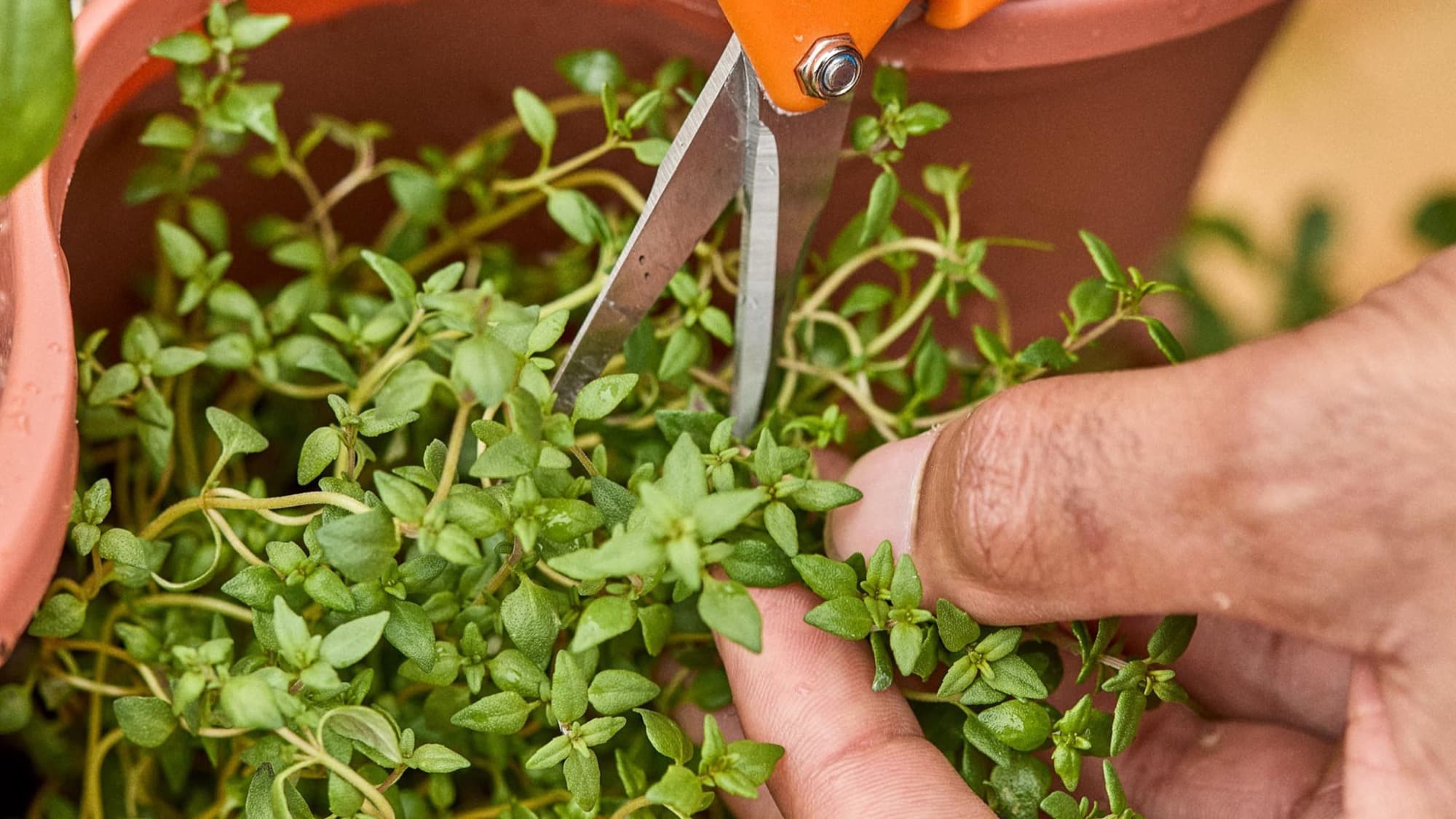
Lemon Balm
How to harvest
Snip stems just above a pair of leaves to encourage branching and fresh new growth.
When to harvest
Harvest regularly once the plant is growing well. For the best flavour, pick leaves before flowering.
How much to harvest
You can take up to about 1/3 to 1/2 of the plant at a time, as long as plenty of leafy growth remains.
Peppermint
How to harvest
Cut stems just above a pair of leaves. Regular cutting helps keep the plant full and leafy.
When to harvest
Harvest regularly once the plant is established. For the best flavour, pick before flowering.
How much to harvest
You can harvest fairly generously, taking up to about 1/2 of the plant at a time once it is growing strongly.
Lemon Verbena
How to harvest
Snip stems just above a pair of leaves, taking tender leafy growth and avoiding heavy cuts into older woody stems.
When to harvest
Harvest regularly once the plant is established and growing actively. For the brightest flavour, pick young leaves before flowering.
How much to harvest
Take light to moderate harvests, avoiding more than about 1/4 of the plant at one time.
Anise Hyssop
How to harvest
Snip soft green stems just above a pair of leaves to encourage fresh new growth and a bushier plant.
When to harvest
Harvest regularly once established. Leaves are especially nice before flowering, though flowers can also be used in tea blends for a more floral accent.
How much to harvest
You can take up to about 1/3 of the plant at a time, leaving enough growth for the plant to recover and keep producing.
Preserve
Drying & Preserving
Drying your herbs is one of the best ways to enjoy your harvest long after the growing season. It lets you build your own tea stash at home, preserve extra leaves when your plants are producing heavily, and keep homegrown flavour close at hand all year long. Lemon balm, peppermint, lemon verbena, and anise hyssop all dry beautifully for herbal tea.
Why dry your own herbs?
- Drying helps preserve flavour and aroma for future blends.
- It is an easy way to store larger harvests.
- Dried herbs are convenient to keep on hand for tea year-round.
When to harvest for drying
- Harvest herbs once the plants are well established and full of healthy growth.
- For the best flavour and aroma, harvest before flowering whenever possible.
- Pick on a dry day after any dew has evaporated.
Drying herbs
Air-drying method
- Gather stems into small bundles and tie with string or an elastic band.
- Hang upside down in a warm, dry place with good airflow.
- Keep out of direct sunlight.
- Let them dry fully over several days to a couple of weeks, depending on the herb and conditions.
How to prep your herbs
- Harvest clean, healthy stems or leaves.
- Remove any damaged or yellowing leaves.
- If needed, rinse lightly and dry thoroughly before drying.
How to know when they’re ready
- Leaves should feel dry and crisp to the touch.
- They should crumble easily between your fingers.
- Stems should snap rather than bend.
How to store dried herbs
- Remove the dried leaves from the stems once fully dry.
- Store in a clean, airtight glass jar.
- Keep in a cool, dark place away from heat and moisture.
- Label and date your jars.
Fresh herbs
Blending with fresh herbs
One of the best parts of growing your own tea herbs is being able to step outside and create a blend from whatever feels right in the moment.
Fresh herbs make tea that feels bright, lively, and full of aroma, and even a small handful can turn an ordinary cup into something special.
Each herb in this garden brings something different to the blend. Lemon balm adds softness and calm, peppermint brings cooling freshness, lemon verbena adds bright citrus, and anise hyssop contributes sweet, floral depth.
Fresh herbs are perfect for experimenting. Try using one herb on its own, or combine two or three to create your own signature tea. You might make a soothing evening blend, a refreshing iced tea, or a gentle daily cup depending on your mood and the season.
Next up, we’ll cover a few simple principles to help you start blending fresh herbs with confidence.
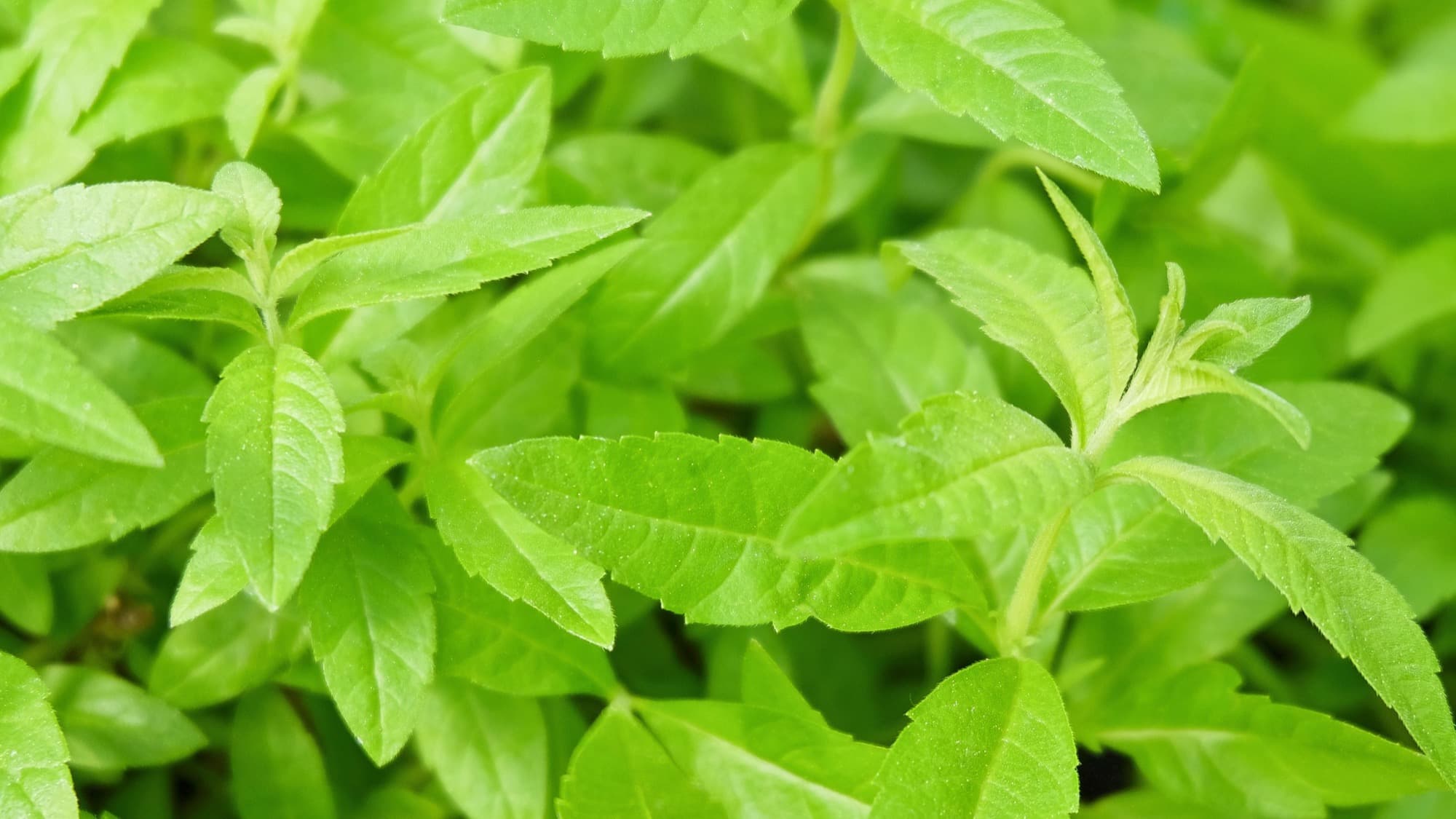
Basics
Fresh tea basics
Fresh herbs are one of the easiest ways to make herbal tea feel bright, fragrant, and alive. Once you know a few simple principles, you can start blending them confidently and creating cups that feel soothing, refreshing, or uplifting depending on the herbs you choose.
Use more than you would dried
Fresh herbs are less concentrated than dried herbs, so you will usually need a more generous handful to build flavour in your cup.
Bruise or tear them before steeping
Lightly crushing, tearing, or chopping fresh herbs helps release their aroma and flavour into the water.
Blend for balance
Try combining herbs with different strengths and characters. Lemon balm can soften a blend, peppermint can brighten it, lemon verbena can add citrus lift, and anise hyssop can add sweet floral depth.
Steep covered to hold in aroma
Pour hot water over your herbs and cover your cup or teapot while steeping. This helps keep the fragrant oils from escaping with the steam.
Start simple and adjust
Start with one or two herbs, taste, and adjust from there. If a blend feels too strong, use less next time. If it feels too light, add more herbs or steep a little longer.
Dried herbs
Blending with dried herbs
Drying your herbs opens up a whole new way to enjoy your garden. Dried herbs are easy to store, convenient to keep on hand, and perfect for building your own tea blends year-round.
Their flavour is often softer, deeper, and more concentrated than fresh herbs, which makes them especially well suited for calming, comforting cups.
Each herb in this garden brings something unique to a dried blend. Lemon balm adds gentle citrus and softness, peppermint brings cool freshness, lemon verbena contributes bright lemony lift, and anise hyssop adds sweet, floral depth.
Blending with dried herbs is simple and rewarding. You can use one herb on its own for a pure, focused tea, or combine two or three to create blends that feel soothing, refreshing, uplifting, or cozy depending on what you are in the mood for.
Next up, we’ll share a few simple recipes to help you start brewing and blending with confidence.
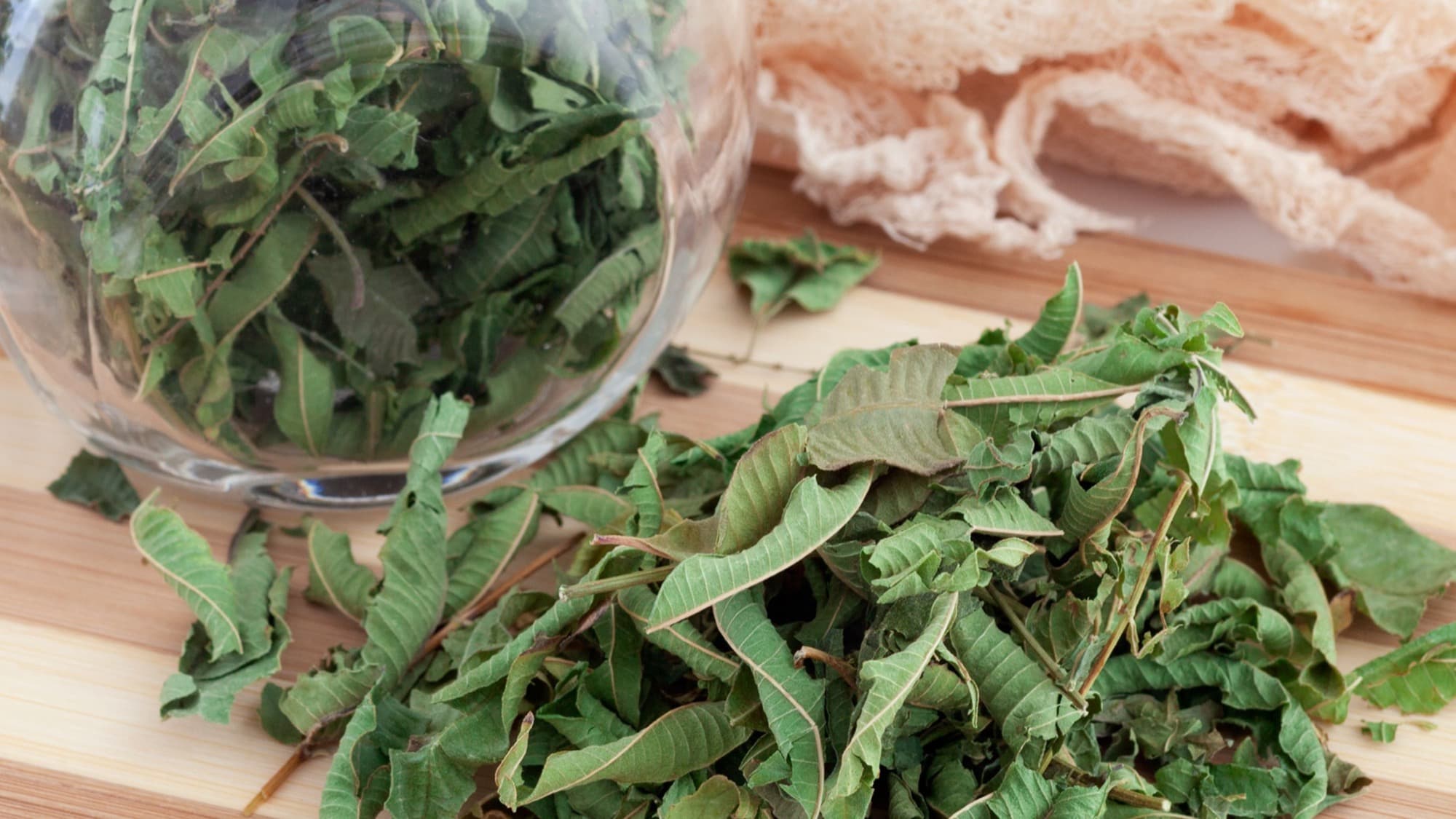
Basics
Dried herb blending basics
Dried herbs are a simple way to keep the flavour of your garden going long after harvest. They are more concentrated than fresh herbs and work beautifully in homemade tea blends, especially when you give them a little time to release their flavour.
Use less than you would fresh
Dried herbs are more concentrated, so a little goes a long way. Start with a small amount and add more if needed.
Blend for balance
Try combining herbs with different strengths and characters. Lemon balm adds softness, peppermint brings cooling freshness, lemon verbena adds bright citrus lift, and anise hyssop contributes sweet floral depth.
Crush them gently before brewing
Rub dried herbs lightly between your fingers before steeping to help release more aroma and flavour.
Steep covered to hold in aroma
Pour hot water over your herbs and cover your cup or teapot while steeping. This helps keep the fragrant oils from escaping with the steam.
Start simple and adjust
Start with one or two herbs, taste, and adjust from there. If a blend feels too strong, use less next time. If it feels too light, add a little more or steep it longer.
Recipes
Tea recipes
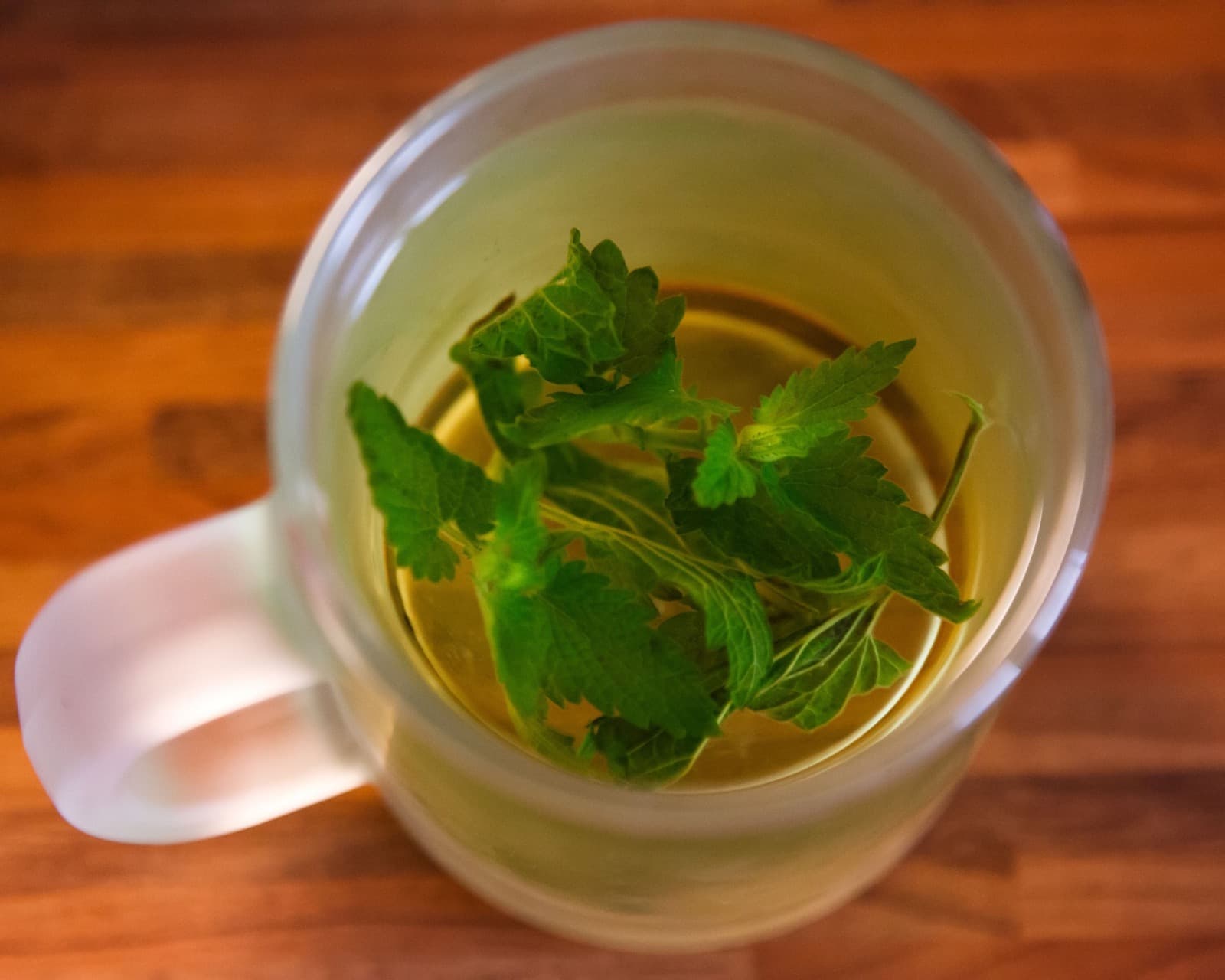
Fresh herb recipes
Bright Garden Tea
Ingredients
- 4–5 fresh lemon balm leaves
- 3–4 fresh peppermint leaves
- 2–3 fresh lemon verbena leaves
- 2–3 fresh anise hyssop leaves
- 1½ cups hot water
- Honey, if desired
Directions
Lightly bruise or tear the herbs to help release their aroma. Place them in a teapot, mug, or heatproof jar and pour over the hot water. Cover and steep for 5–10 minutes, depending on how strong you like it. Strain and enjoy.
How to enjoy
Drink warm for a calming cup, or let cool and pour over ice for a refreshing herbal iced tea.
A fresh and uplifting herbal tea with lemony brightness, cooling mint, and a soft floral finish. A beautiful everyday cup to enjoy warm or over ice.
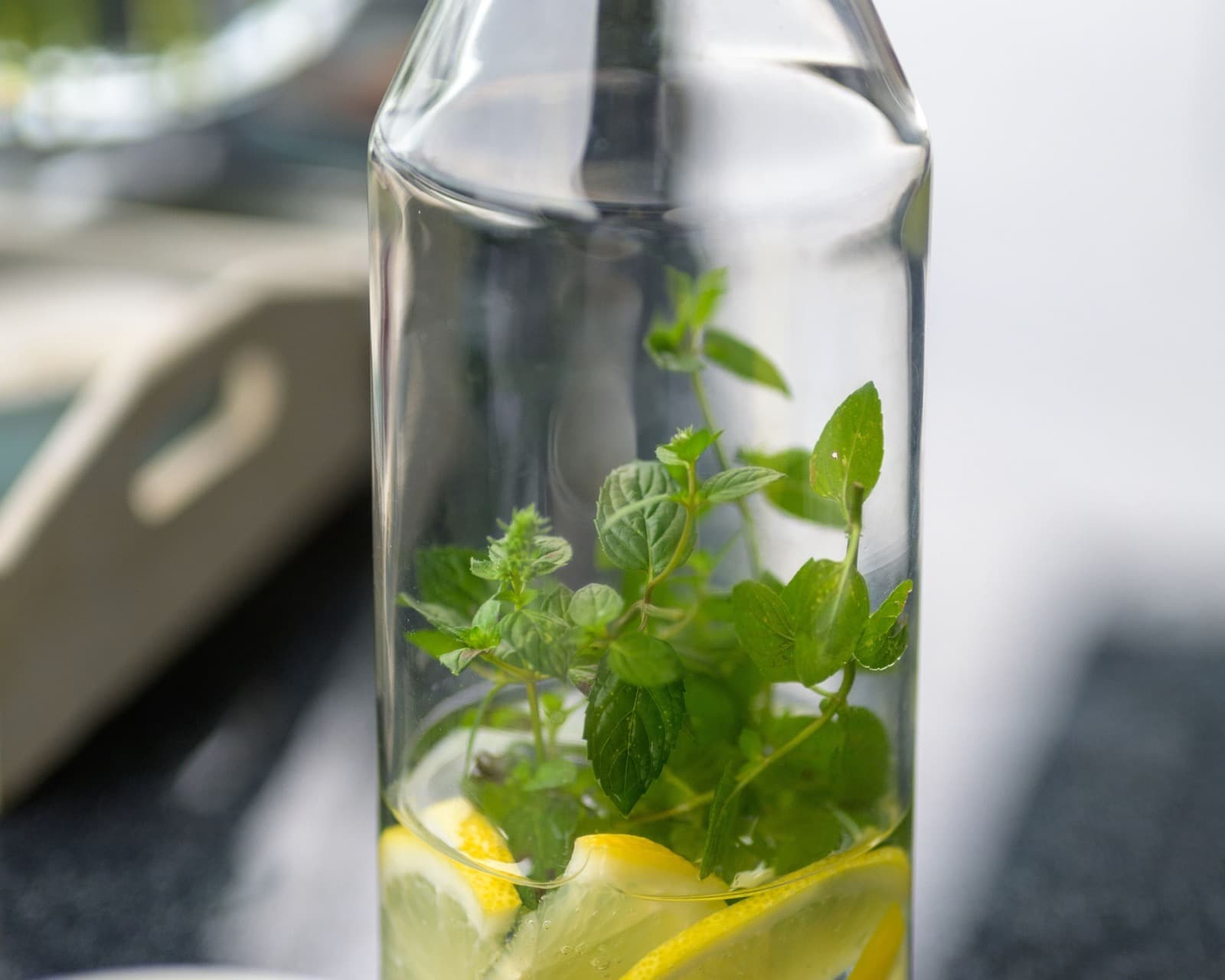
Fresh herb recipes
Garden Herb Infused Water
Ingredients
- 4–5 fresh peppermint leaves
- 3–4 fresh lemon balm leaves
- 2–3 fresh lemon verbena leaves
- 2–3 thin slices cucumber
- 2 thin slices lemon
- 2 cups cold water
- Ice
Directions
Lightly bruise the herbs to help release their aroma, then add them to a glass or pitcher with the cucumber and lemon. Fill with cold water and ice, then let it sit for at least 15–30 minutes before drinking. For a stronger flavour, chill in the fridge for 1–2 hours.
How to enjoy
Sip as a refreshing infused water throughout the day, especially on warm afternoons or whenever you want something cool, fresh, and uplifting.
A bright, cooling drink that brings together fresh herbs, lemon, and cucumber for a simple infused water that feels extra refreshing on warm days.
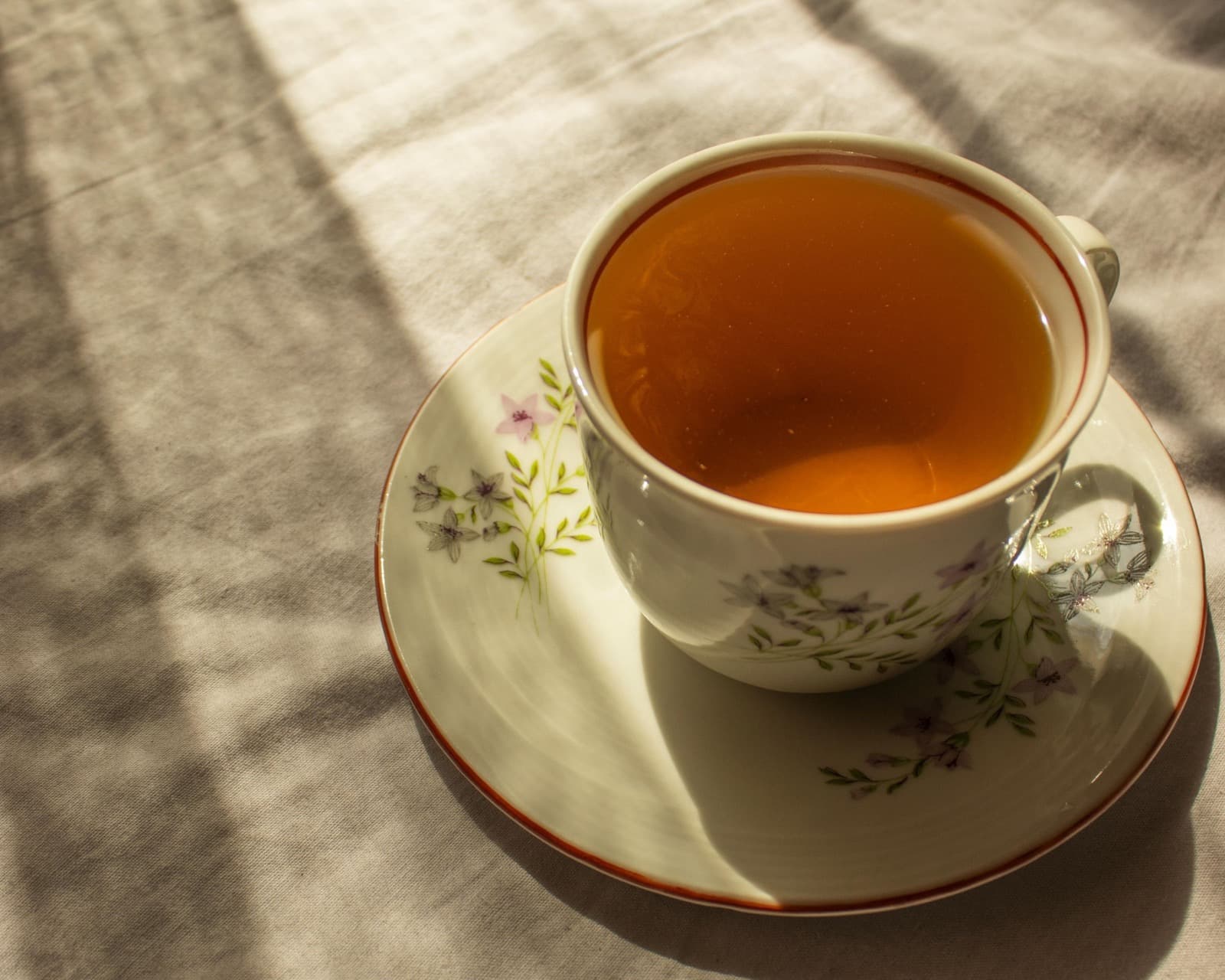
Dried herb recipes
Evening Calm Tea Blend
Ingredients
- 1 tsp dried lemon balm
- 1 tsp dried lemon verbena
- 1 tsp dried anise hyssop
- 1½ cups hot water
- Honey, if desired
Directions
Add the dried herbs to a teapot, mug, or tea infuser. Pour over the hot water, cover, and steep for 5–10 minutes. Strain and enjoy.
How to enjoy
Best enjoyed warm in the evening or anytime you want a calm, comforting cup.
A soft, soothing herbal blend with gentle lemon notes and a lightly sweet floral finish. A lovely tea for slowing down at the end of the day.
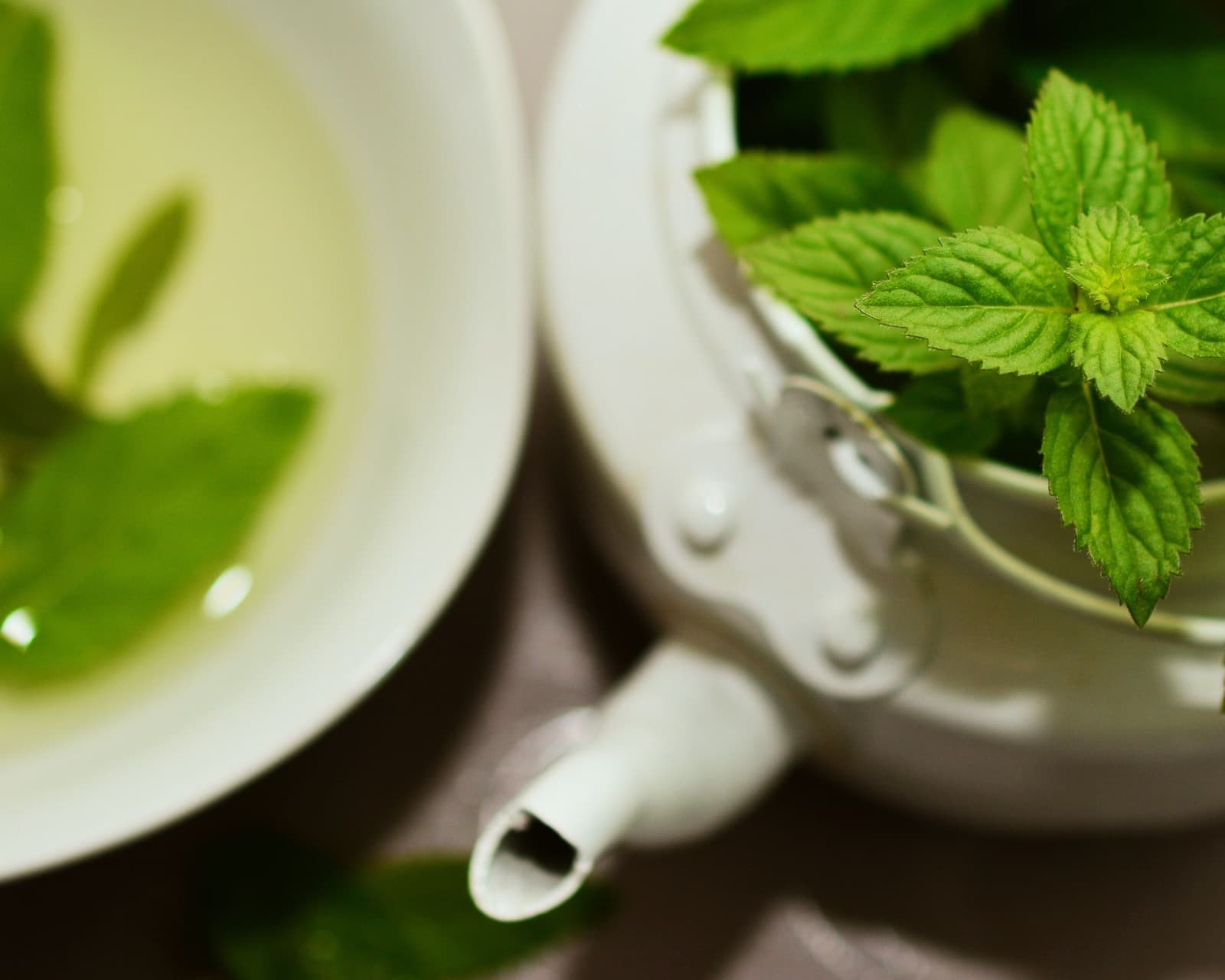
Dried herb recipes
Refreshing Mint Blend
Ingredients
- 1 tsp dried peppermint
- 1 tsp dried lemon balm
- ½ tsp dried lemon verbena
- 1½ cups hot water
- Honey, if desired
Directions
Add the dried herbs to a teapot, mug, or tea infuser. Pour over the hot water, cover, and steep for 5–10 minutes. Strain before serving.
How to enjoy
Enjoy warm, or let cool and pour over ice for a refreshing iced herbal tea.
A bright, cooling herbal tea with fresh minty lift and a touch of lemon. Simple, clean, and easy to enjoy any time of day.
Support
Get in touch
Have a question about your plants? Our team is always happy to help!
Email us: support@herbwild.com
www.herbwild.com