Best for
Roasted potatoes, chicken, turkey, stuffing, soups, squash, mushrooms, herb butter, pan sauces, and cozy weekend cooking.
 All guides
Harvest-Ready Herb Garden
A complete guide to growing and using fresh rosemary, thyme, and sage.
Start here
Welcome
Some herbs feel made for slow, savoury cooking. Rosemary, thyme, and sage are the classic herbs behind roasted potatoes, golden chicken, stuffing, soups, pan sauces, and cozy weekend meals.
Rosemary brings a bold, piney aroma that stands up beautifully to roasting and grilling. Thyme adds earthy depth without overpowering a dish. Sage brings a warm, savoury flavour that pairs especially well with butter, poultry, squash, potatoes, mushrooms, and rich sauces.
This garden brings together three of the most dependable herbs for hearty, home-cooked meals — the kind of herbs that make your kitchen smell like something good is already in the oven.
Your Savoury Roast Herb Garden arrives fully grown, pre-potted, and ready to harvest. There is no transplanting, no seed starting, and no guesswork.
Just place it somewhere bright, water when needed, and start using fresh herbs in the meals you already make.
Roasted potatoes, chicken, turkey, stuffing, soups, squash, mushrooms, herb butter, pan sauces, and cozy weekend cooking.
First day care
When your herb garden arrives, remove it from the box as soon as possible and give it a quick check.
Remove any packing material and place the pot on a saucer, tray or waterproof surface. A few bent stems are normal after shipping and usually perk up with light and water.
Touch the top of the soil. If it feels dry, water slowly until the soil is evenly moist and a little water drains from the bottom of the pot.
Let your garden adjust for 48 hours before heavier picking. This gives the plants time to settle into their new home.
Your garden arrives ready to enjoy in its pot. If you choose to upgrade your pot, wait 48 hours until the garden has fully recovered from shipping and is actively growing before repotting.
If your herbs arrive looking a little tired, don’t worry — that can happen after shipping. Give them bright light, water if needed, and they should perk back up within a day.
If anything looks concerning, please reach out to us at support@herbwild.com as soon as possible so we can help. We want you to succeed, and your plants are backed by our 15-day satisfaction guarantee.
Light & water
Place your garden in bright natural light, such as a sunny windowsill, kitchen counter near a window, or covered patio. Rosemary, thyme, and sage grow best with strong light and good airflow.
Water when the top inch of soil feels dry. These herbs prefer lightly moist soil that is allowed to dry slightly between waterings. The goal is not to keep the soil constantly wet. If the pot feels heavy and the soil is still damp, wait another day.
Turn the pot every few days so all sides receive direct light. This helps the garden grow more evenly and keeps the herbs easier to harvest.
Do not let the pot sit in standing water. Empty the saucer after watering so the roots stay healthy.
Meet your herbs
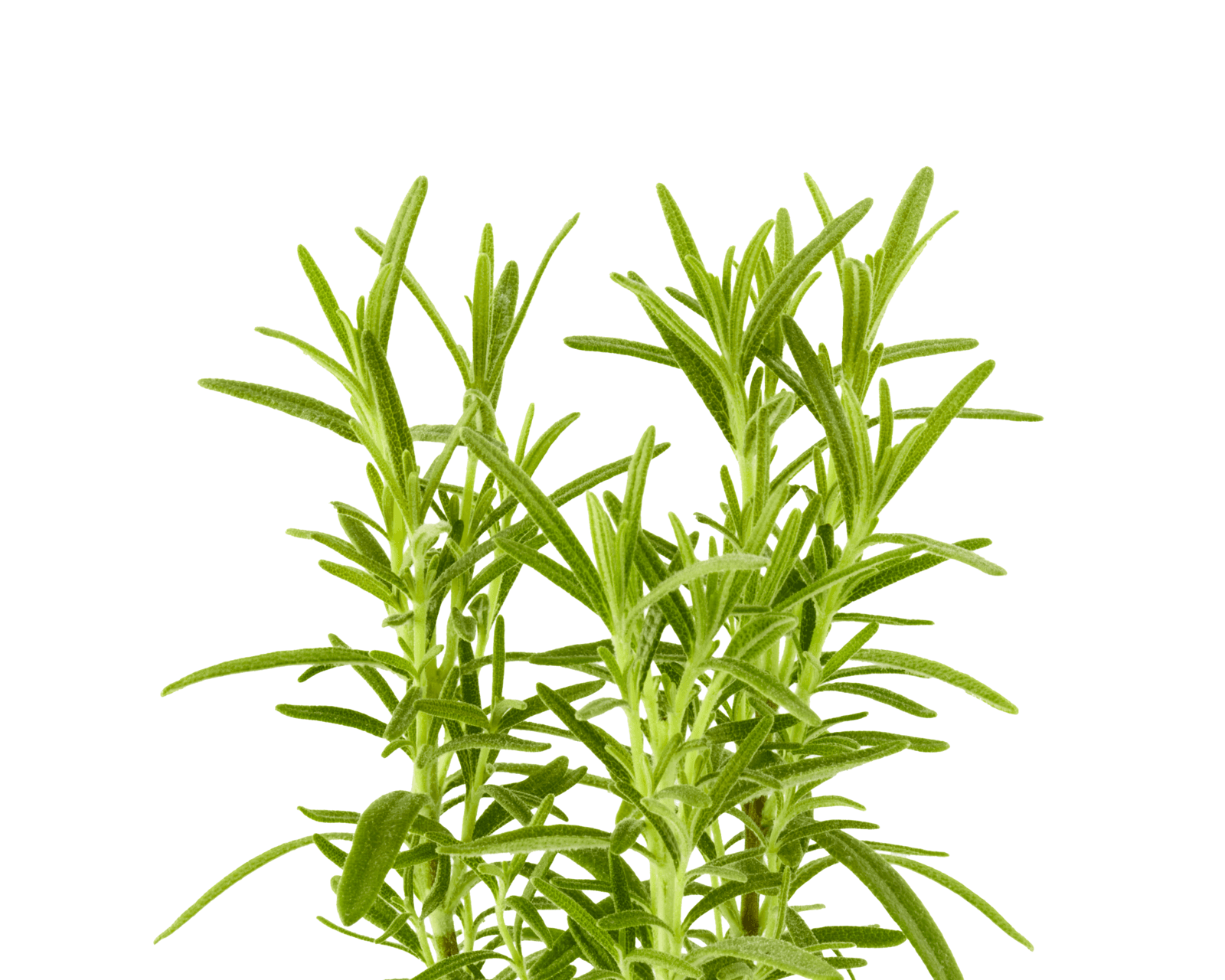
Bold, piney, and aromatic. Rosemary is classic with roasted potatoes, chicken, lamb, bread, soups, grilled meats, mushrooms, and olive oil.
Rosemary likes bright light, good airflow, and soil that does not stay too wet. Harvest small sprigs as needed and avoid overwatering.
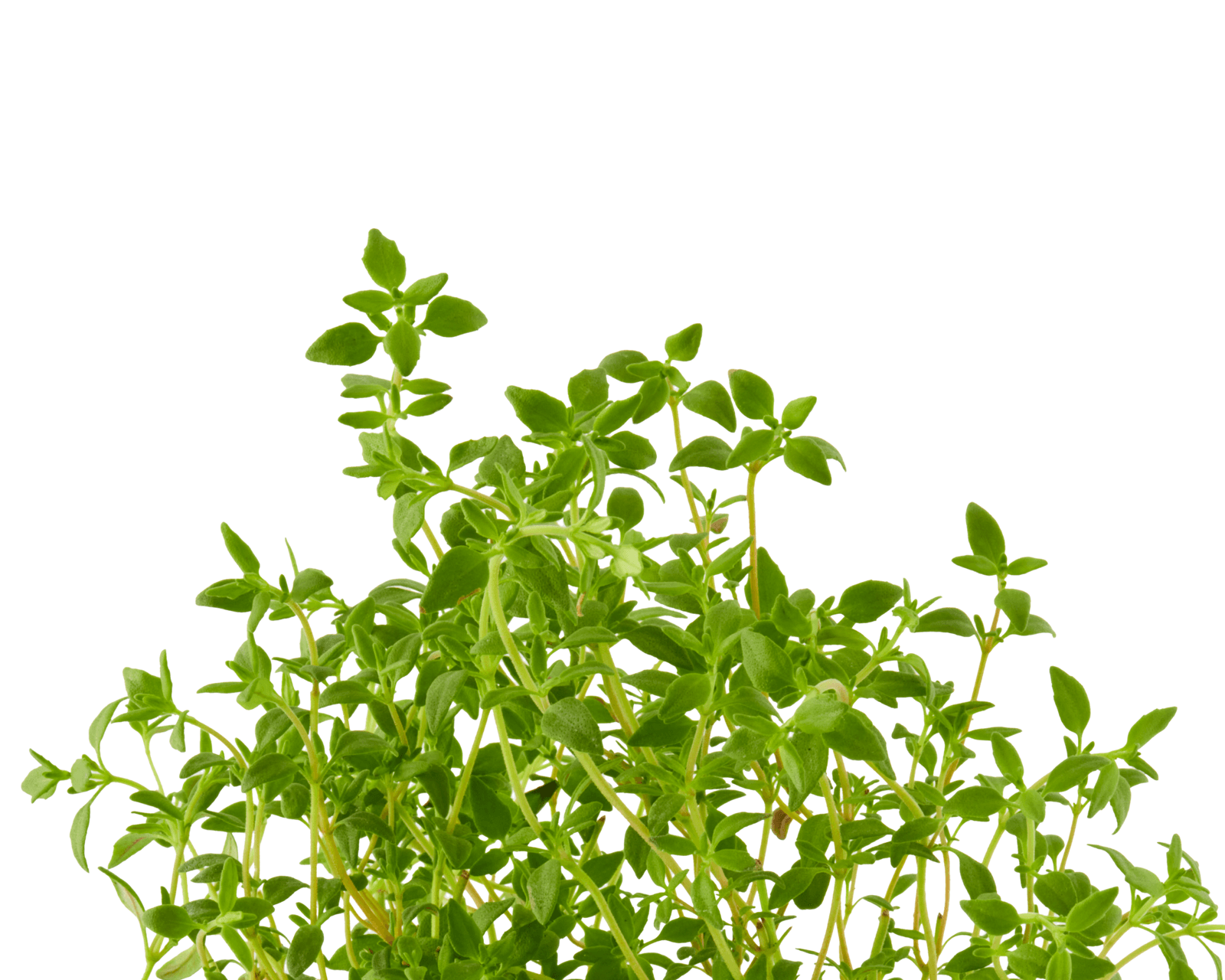
Earthy, savoury, and slightly floral. Thyme adds depth to roasted vegetables, chicken, soups, stews, sauces, eggs, potatoes, and mushrooms.
Thyme likes bright light and good drainage. Trim small sprigs often to keep the plant compact and productive.
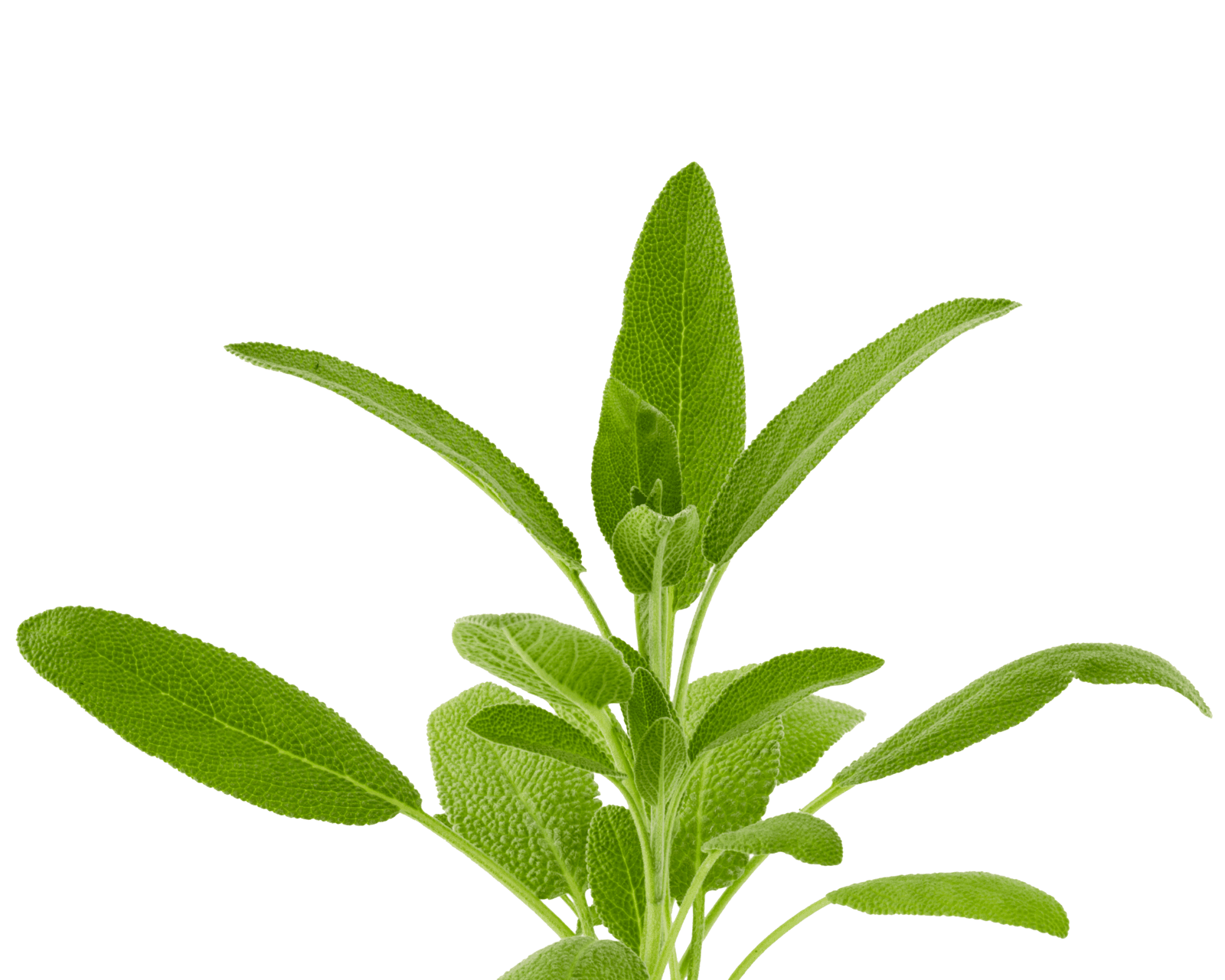
Warm, savoury, and slightly peppery. Sage is especially good with butter, poultry, stuffing, squash, potatoes, beans, mushrooms, and rich sauces.
Sage prefers bright light and soil that is lightly moist but never soggy. Harvest individual leaves or small stem tips as needed.
Harvesting
Small, regular harvests are better than one large cut. Use clean scissors or herb snips, take what you need for the meal, and leave plenty of leafy growth behind so the garden can keep producing.
Rosemary, thyme, and sage are flavourful herbs, so you usually do not need much. Start with a small amount, then add more if needed.
Snip small sprigs from the top or sides of the plant. Avoid cutting into old woody stems with no leaves, as they may not regrow as easily.
Snip tender stems a few inches long. You can strip the tiny leaves from the stem before cooking, or add whole sprigs to soups, sauces, and roasts, then remove the stems before serving.
Harvest individual leaves or snip tender stem tips. Use fresh sage sparingly at first because its flavour is strong.
Easy ways to use them
This garden is built for deep, savoury flavour. Think roasted vegetables, chicken, potatoes, stuffing, butter sauces, mushrooms, soups, and slow-cooked meals.
Rosemary, thyme, and sage are especially useful with roasted foods because their flavour holds up well to heat. Chop the herbs finely and mix them with olive oil, butter, salt, and pepper before roasting.
These herbs work beautifully with butter, especially sage and thyme. A little fresh herb can make a simple butter sauce taste rich and complete.
Rosemary and thyme are classic in slow-cooked savoury dishes. Sage works well when you want a warmer, richer flavour. Add whole sprigs while cooking, then remove woody stems before serving.
Potatoes are one of the easiest places to start with this garden. Rosemary adds bold flavour, thyme adds savoury depth, and sage works beautifully with butter.
Simple recipes
Potatoes
Toss chopped potatoes with olive oil, chopped rosemary, chopped thyme, salt, and black pepper. Roast until golden and tender.
Rosemary brings bold aroma, while thyme adds savoury depth.
Pasta
Melt butter in a pan and cook until it smells nutty and begins to brown. Add fresh sage leaves, salt, and black pepper. Toss with hot pasta and finish with parmesan if using.
Sage is classic with brown butter and makes a simple pasta feel rich and savoury.
Chicken
Rub chicken with olive oil or softened butter, chopped rosemary, chopped thyme, salt, black pepper, and garlic if using. Roast until cooked through.
Serve with potatoes, vegetables, or a simple salad.
Mushrooms
Cook mushrooms in butter or olive oil until browned. Add fresh thyme, a little chopped sage, salt, black pepper, and garlic if using.
Serve with toast, eggs, steak, chicken, pasta, or roasted vegetables.